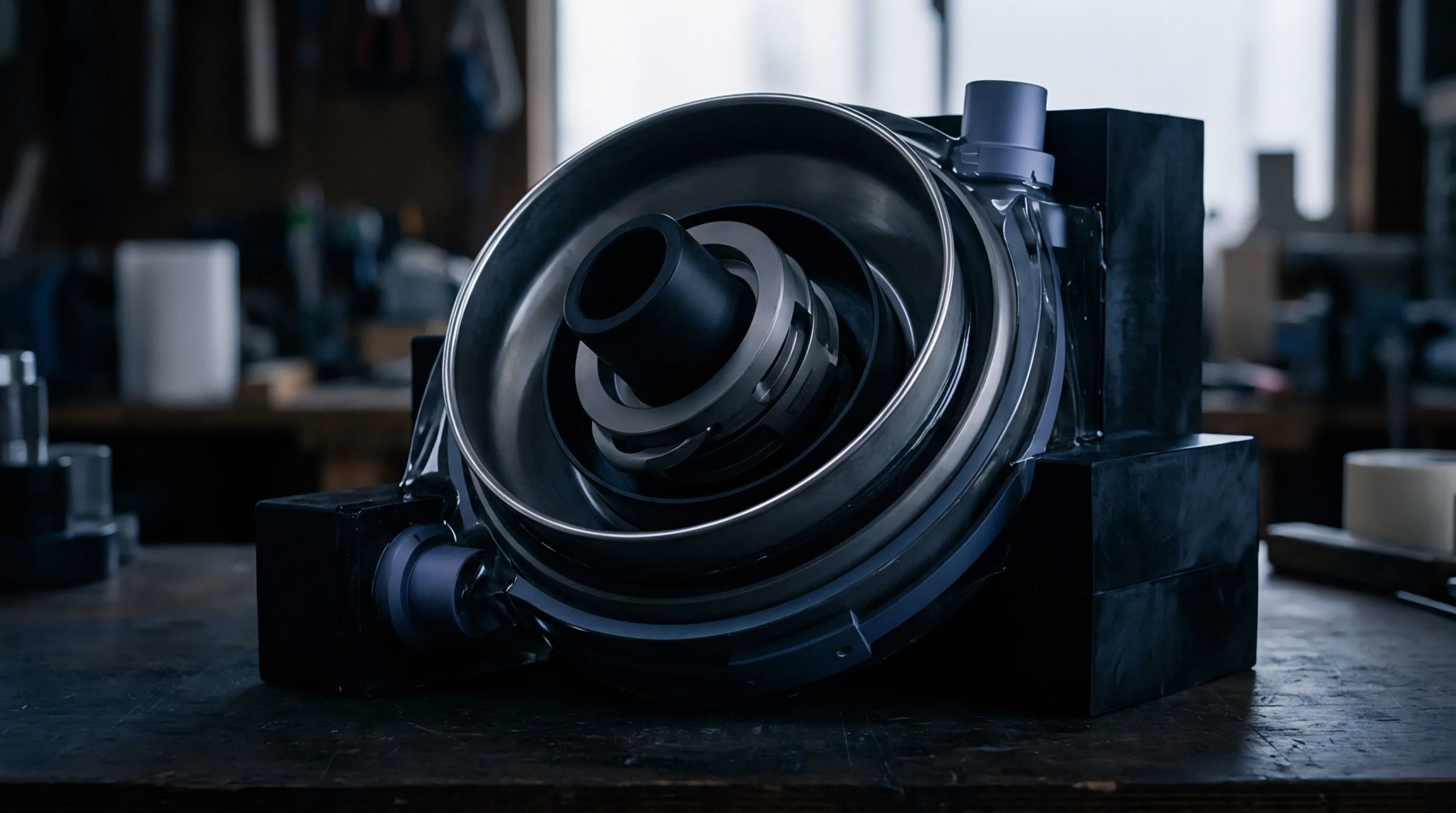
Meaning
Initial mold testing protocols conducting first-off sample runs from un-textured tool cavities evaluate mechanical mold function and part ejection mechanics. Quality assurance routines during raw steel T0 trial audits inspect sample parts to confirm basic cavity filling and runner balancing before final mold polishing or texturing occurs. Molders identify steel safe condition errors and cooling imbalances during these early trials.
Data gathered from initial press runs validate mold action and ejection pin movement under actual injection pressures.
Tool Validation
Operating injection presses under baseline processing parameters reveals tool mechanical performance and cooling circuit efficiency. Conducting raw steel T0 trial audits verifies core slide alignment and parting line seal tightness before shipping tools to production facilities. Hydraulic press data confirm clamp tonnage requirements and ejection force limits.
Defect Identification
Sample inspection highlights short shots, sink marks, flash formation and part warpage caused by cooling imbalances. Toolmakers modify mold steel dimensions based on CMM inspection reports of T0 sample parts.
Approval Gate
Part dimensions must meet steel safe boundaries before mold authorization permits cavity texturing or surface plating. Signed trial audit reports release milestone payments to tool building vendors. Production sign-off requires resolving all mechanical mold interference issues.