Meaning
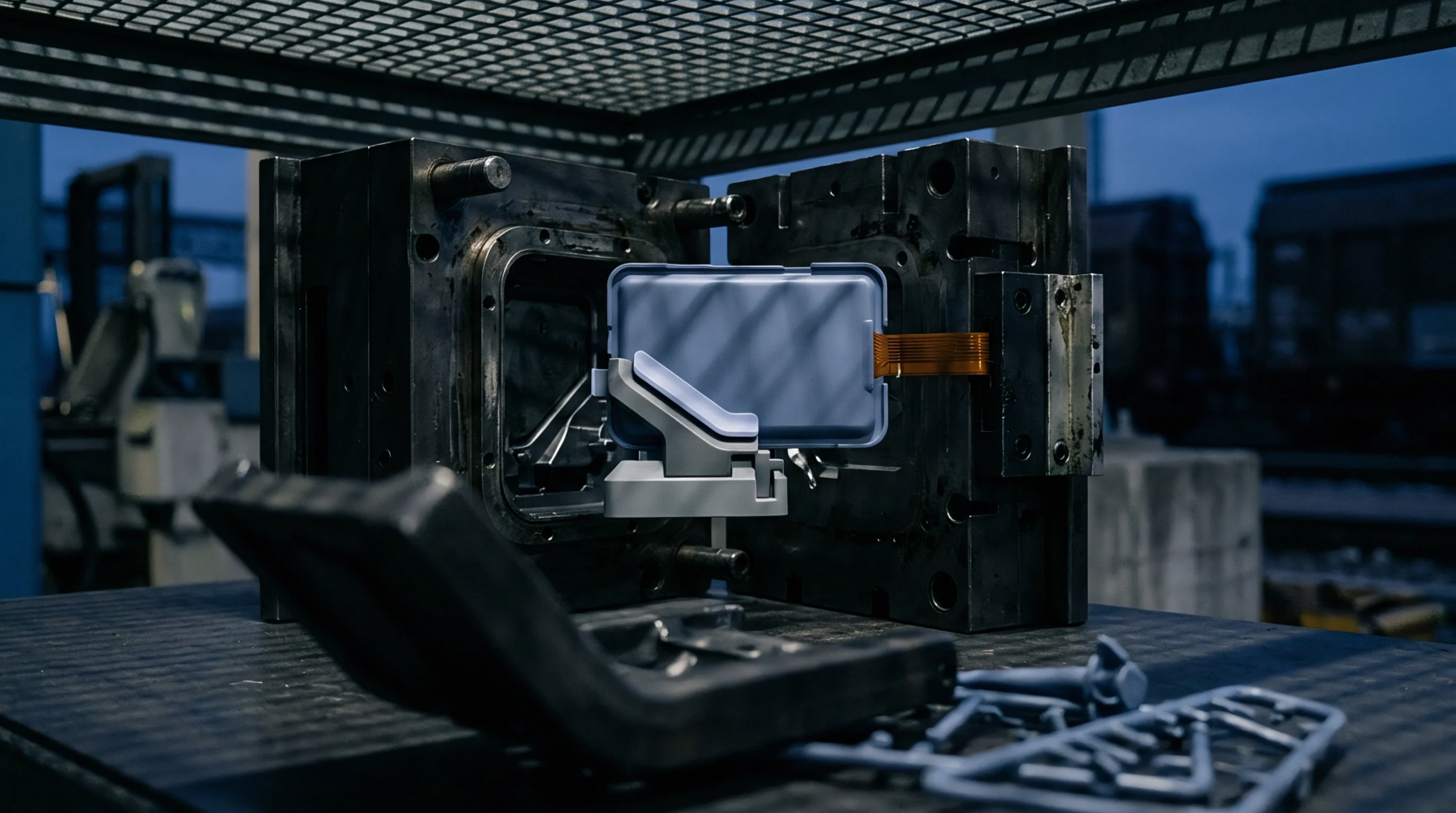
Regrind constitutes the internal reuse of solidified thermoplastic waste generated during the primary manufacturing cycle such as runner systems, purge material, or off-specification moulded components. Processing scrap returns this material into the feed throat of an injection moulding machine or an extruder for subsequent melting and forming. High levels of contamination or thermal degradation limit the ratio of such material relative to virgin resin.
Material Economics
Regrind usage lowers the unit cost of raw materials by reducing the amount of prime resin consumed per part. Virgin feedstocks provide predictable mechanical properties and uniform melt flow rates while reprocessed alternatives introduce variables including molecular weight distribution changes or volatile compound loss. Injection moulders evaluate the economic benefit of reclamation against the risk of structural failure or cosmetic blemishes.
Tooling Variance
Mould cavities designed for virgin materials occasionally struggle with the varying shrinkage profiles found in recycled feedstock. Processing scrap modifies the viscosity of the polymer melt which impacts the packing pressure required to fill complex geometries. Tooling engineers compensate for these shifts by adjusting cooling channels or gate diameters to maintain dimensional tolerances.
Production Quality
Thermal history impacts the molecular chains of the polymer every time the material passes through a heated barrel. Overheated or excessively recycled material causes brittleness that degrades the impact resistance of the final product. Consistent batch testing determines the upper threshold for reprocessed content before mechanical properties fall below defined engineering standards.