Meaning
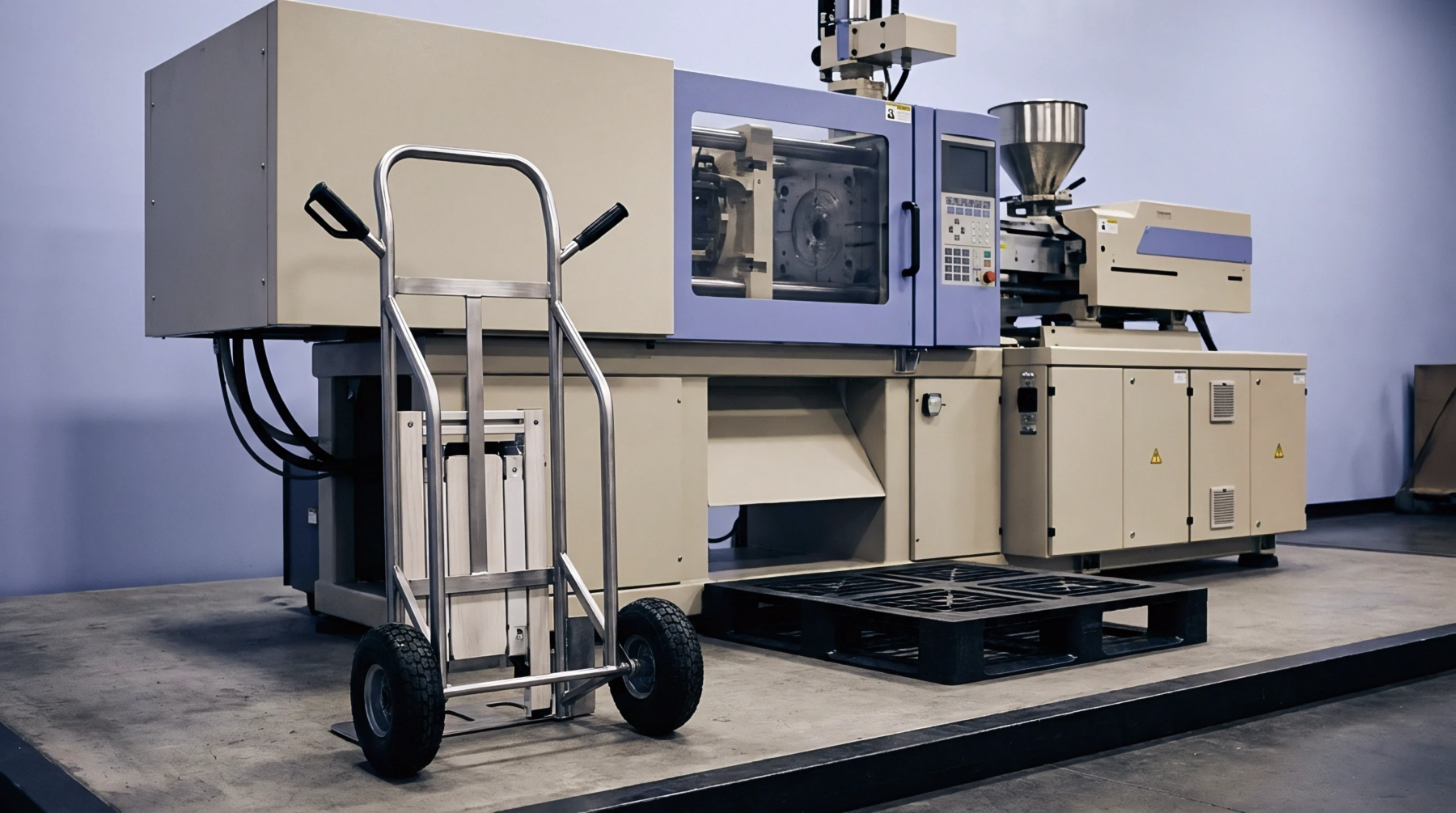
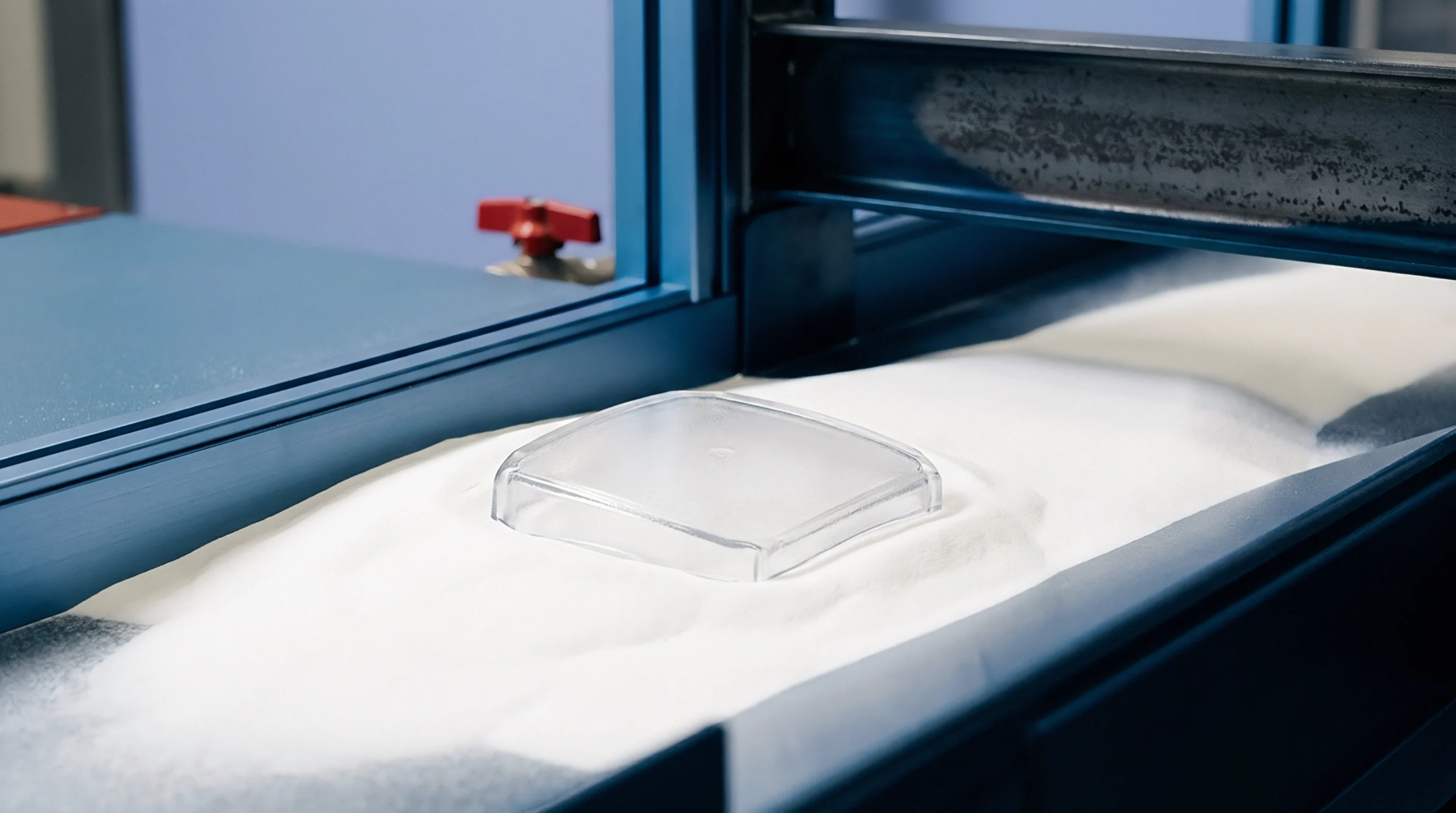
Recovered thermoplastic material originating from end-of-use domestic or commercial goods provides the compositional basis for post consumer plastic. Reprocessing waste streams from discarded packaging or appliances yields polymer fractions with altered molecular weights and accumulated thermal histories. Compounding facilities pelletize these heterogeneous fractions for subsequent moulding operations.
Tooling engineers specify melt flow index tolerances tightly to accommodate batch variations without inducing premature freeze-off in the runner system.
Thermal Degradation
Reprocessed polymer chains experience scission during initial processing cycles, reducing intrinsic viscosity significantly before the material enters a secondary moulding press. Extrusion barrels subject reground feedstock to elevated shear stresses that break long molecular chains, lowering the tensile strength of the resulting moulded article. Barrel temperature profiles require downward adjustments to prevent localized overheating of degraded fractions during plasticization.
Lower molecular weight fractions accelerate thermal degradation inside the nozzle, producing dark streaks across the visible surface of the finished part.
Resin Shrinkage
Crystallinity development proceeds irregularly during cooling phases because variable polymer chain lengths alter volumetric contraction rates within closed cavity tools. Moulders compensate for unpredictable volumetric shrinkage by increasing packing pressure profiles during the injection phase, mitigating sink marks adjacent to structural ribs. Part dimensional stability suffers when moisture retention inside hygroscopic polymer chains causes hydrolytic degradation during high temperature processing runs.
Material specifications delineate maximum allowable moisture percentages prior to pellet entry into the hopper throat to prevent void formation inside thick wall sections.
Economic Variance
Virgin resin pricing follows global petrochemical feedstock indices closely, whereas recycled polymer costs reflect local sorting efficiency and domestic collection infrastructure yields. Purchasing departments evaluate part unit economics against strict quality thresholds, balancing lower raw material expenditures against increased scrap rates during production runs. Injection pressures demand continuous operator supervision because melt viscosity shifts between delivery lots alter the fill time required for complete cavity packing.
Moulding facilities adjust cycle times upward to ensure adequate cooling of inconsistent polymer blends, reducing throughput efficiency compared to virgin feedstock processing.