Meaning
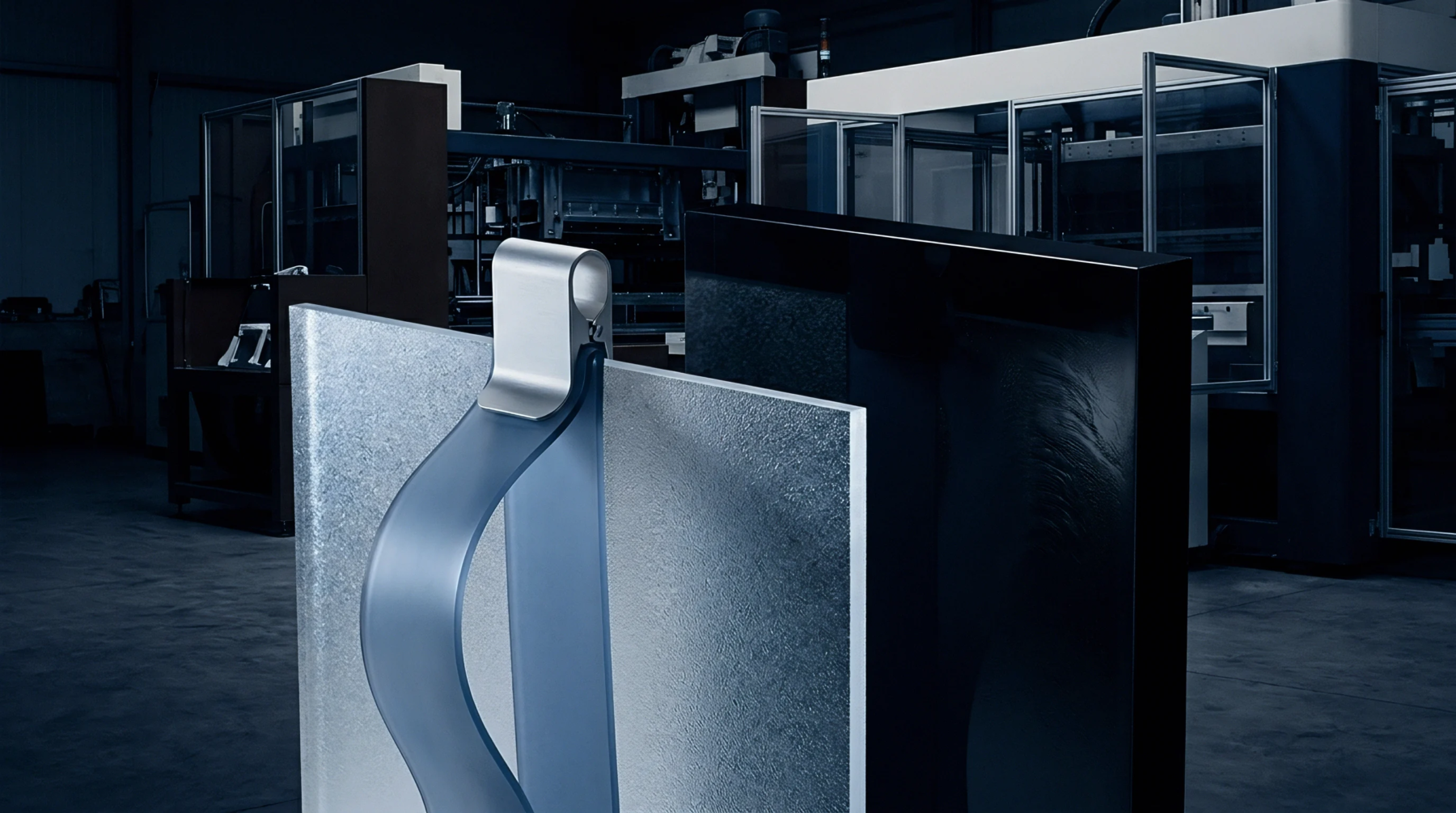
Excess resin removed from the periphery of a moulded part or sheet ensures the final component meets dimensional and aesthetic specifications. Manufacturers generate polypropylene trim during the finishing stage of thermoforming or injection moulding, particularly around gates or flash points. This material is often collected as a clean secondary stream for internal recycling and represents a valuable byproduct of the production cycle.
Proper handling of this waste stream reduces total material costs.
Flashing Removal
Manual or automated cutting tools separate the unwanted edge from the primary part geometry. If the trim is too thick, the cutting force can cause stress whitening or cracking in the base material. Precision trimming maintains the intended profile of the component.
Regrind Potential
Scrapped material retains most of its physical properties and can return to the hopper as regrind. Because polypropylene is chemically stable, the trim from one run often mixes with virgin pellets to lower total part cost. Moulders must control the ratio to prevent changes in melt flow.
Edge Quality
Clean separation prevents the formation of burrs or sharp edges that could interfere with assembly. Smooth edges are especially important for consumer electronics or automotive interior components. Proper tool sharpness determines the final finish.