Meaning
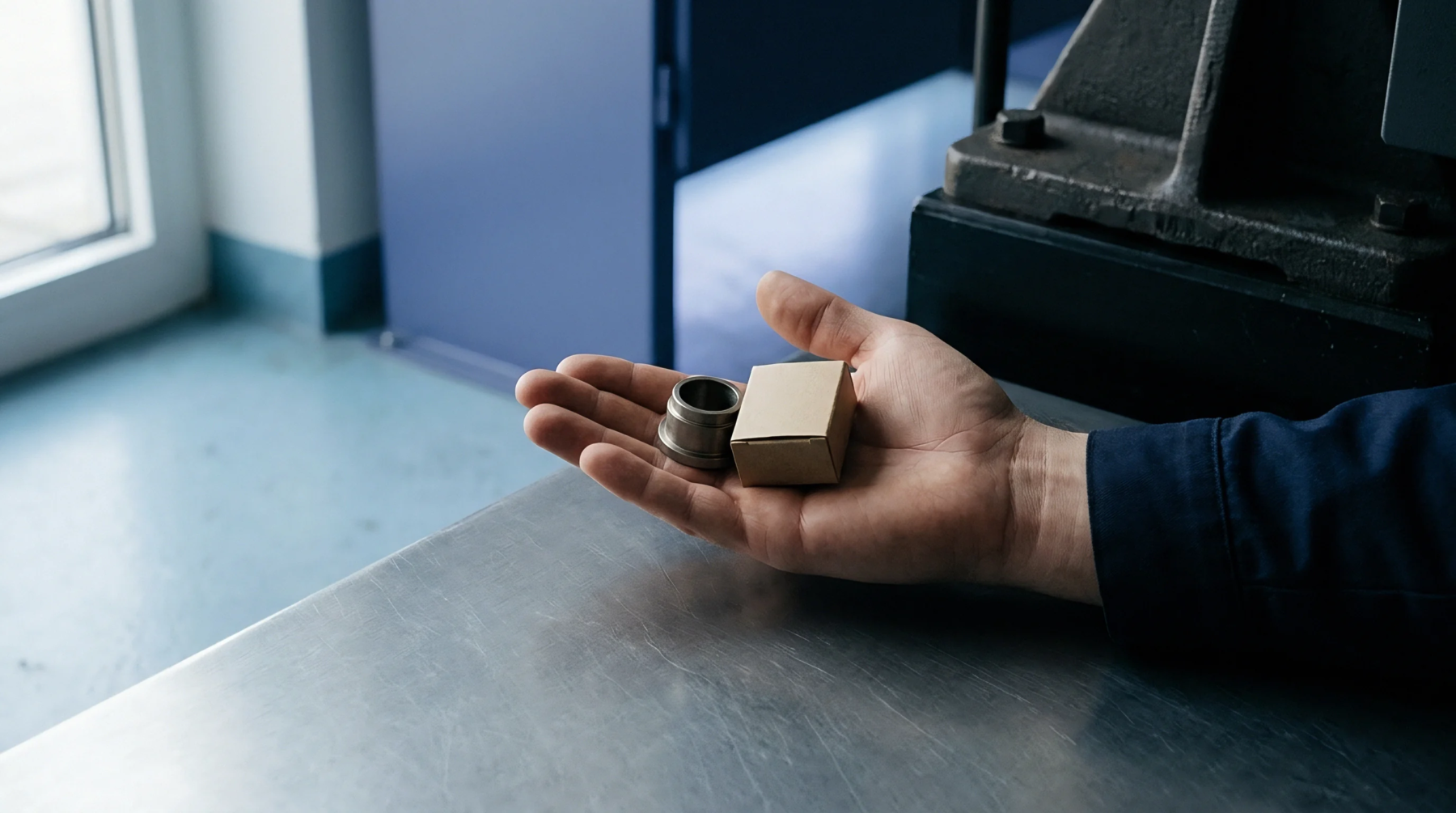
Polyamide 66 drying caps are specialized protective covers deployed over the material outlet of a hopper loader or a feed pipe to shield hygroscopic resin pellets from ambient humidity during the stage between primary drying and machine entry. These components prevent moisture reabsorption in high-throughput moulding environments where the transition from a desiccated state to an injection barrel requires strict atmospheric isolation. Polyamide 66 exhibits a rapid affinity for water vapor that degrades mechanical properties and surface finish, so the caps ensure the dew point maintained inside the hopper remains stable.
The device functions by creating a physical barrier at the interface between the process vessel and the factory air. It blocks the path of moist air drawn into the vacuum lines while the resin travels toward the screw. When these items remain in place, they mitigate the thermal instability that arises from processing wet feedstock.
Excessive hydrolysis inside the barrel decreases the molecular weight of the polymer, leading to a marked drop in impact strength and the formation of silver streaks on finished parts.
Operational Shielding
Correct application of polyamide 66 drying caps requires a tight seal against the pipe flange to eliminate bypass airflow. Maintenance technicians check for wear on the interior gaskets because degradation of the rubber causes air leaks that negate the entire desiccant cycle. Plastic processors rely on these covers to retain the dryness achieved during the four hour dwell time in the hopper.
If the seal fails, the material becomes unsuitable for critical structural components within twenty minutes of exposure. Effective shielding protects the investment in energy expended to remove water during the initial dehydration phase.
Material Economics
Virgin resin costs rise sharply when process scrap accumulates due to moisture related defects. Moulders weigh the expense of high quality airtight caps against the cost of reprocessing degraded parts or the disposal of ruined material batches. Because polyamide 66 regrind introduces additional surface area and potential contaminants, strict humidity control remains even more necessary for mixed feedstock systems.
Consistent use of these covers stabilizes the rheological profile of the melt across an entire production shift. A machine operator observes that parts produced with properly sealed feeding lines demonstrate less variation in shrinkage than those subjected to ambient air.
Boundary Condition
Temperature extremes limit the service life of the polymer used in the caps themselves. Heat radiated from the drying hoppers softens the material, which eventually compromises the dimensional accuracy of the seal. Production schedules must account for the degradation of the sealing surface after five hundred hours of constant exposure to drying heat.
Engineers replace the units when the flexible rim loses its elasticity or shows visible signs of brittle fracturing. Proper storage in a sealed container preserves the mechanical integrity of the cap when it is not in use. A faulty cover provides no protection against the natural tendency of the resin to equilibrate with the moisture in the surrounding air.