Meaning
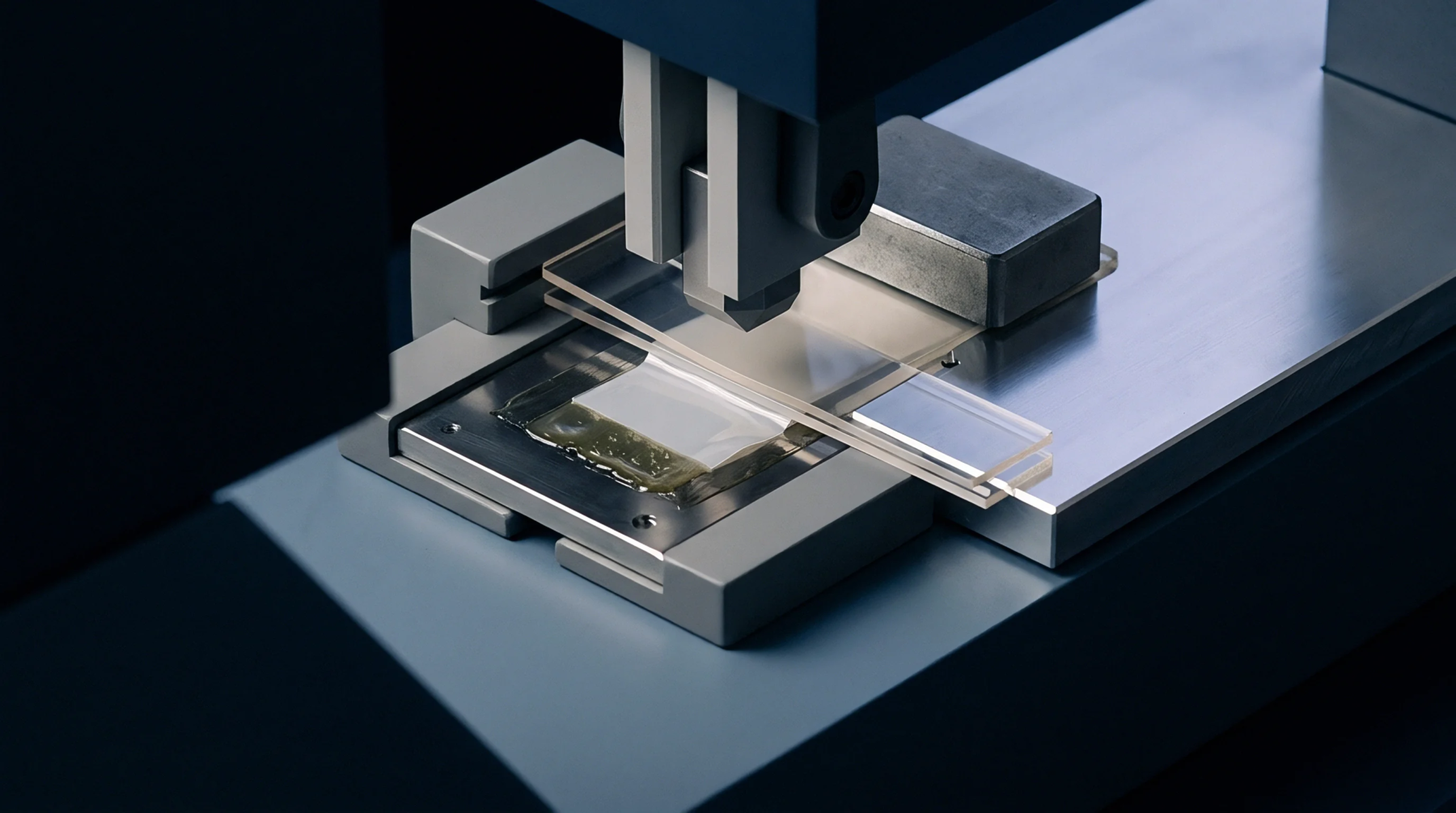
Controlled physical transitions where a polymer dissolved in a continuous solvent phase transforms into a continuous solid network represent a primary method for membrane fabrication. In synthetic polymer processing, phase inversion is triggered by temperature change or contact with a non-solvent bath. This method generates porous structures used in separation technologies and filtration media.
Precise control of coagulation kinetics is required to achieve uniform pore distributions.
Morphological Transition
Thermodynamic instability forces the homogeneous polymer solution to separate into polymer-rich and polymer-poor phases. During phase inversion, the polymer-rich phase solidifies to form the matrix while the polymer-poor phase forms the pore network. This structure is permanent.
The resulting morphology determines the permeability and mechanical strength of the final product.
Processing Window
Extrusion or casting must occur within a specific temperature range to prevent premature gelation. Managing the onset of phase inversion allows manufacturers to cast consistent films before the solid structure locks in place. This timing must be precise.
Defect Susceptibility
Rapid precipitation of the polymer can induce large macro-voids that weaken the structural integrity. Uncontrolled phase inversion causes cracking and uneven skin layers in the produced membranes. These structural failures render the membrane useless.
Adjusting solvent concentration and bath temperature minimizes these defects during continuous casting runs, allowing for reliable membrane quality throughout the entire manufacturing process, which prevents expensive downtime and waste of expensive specialty polymers.