Meaning
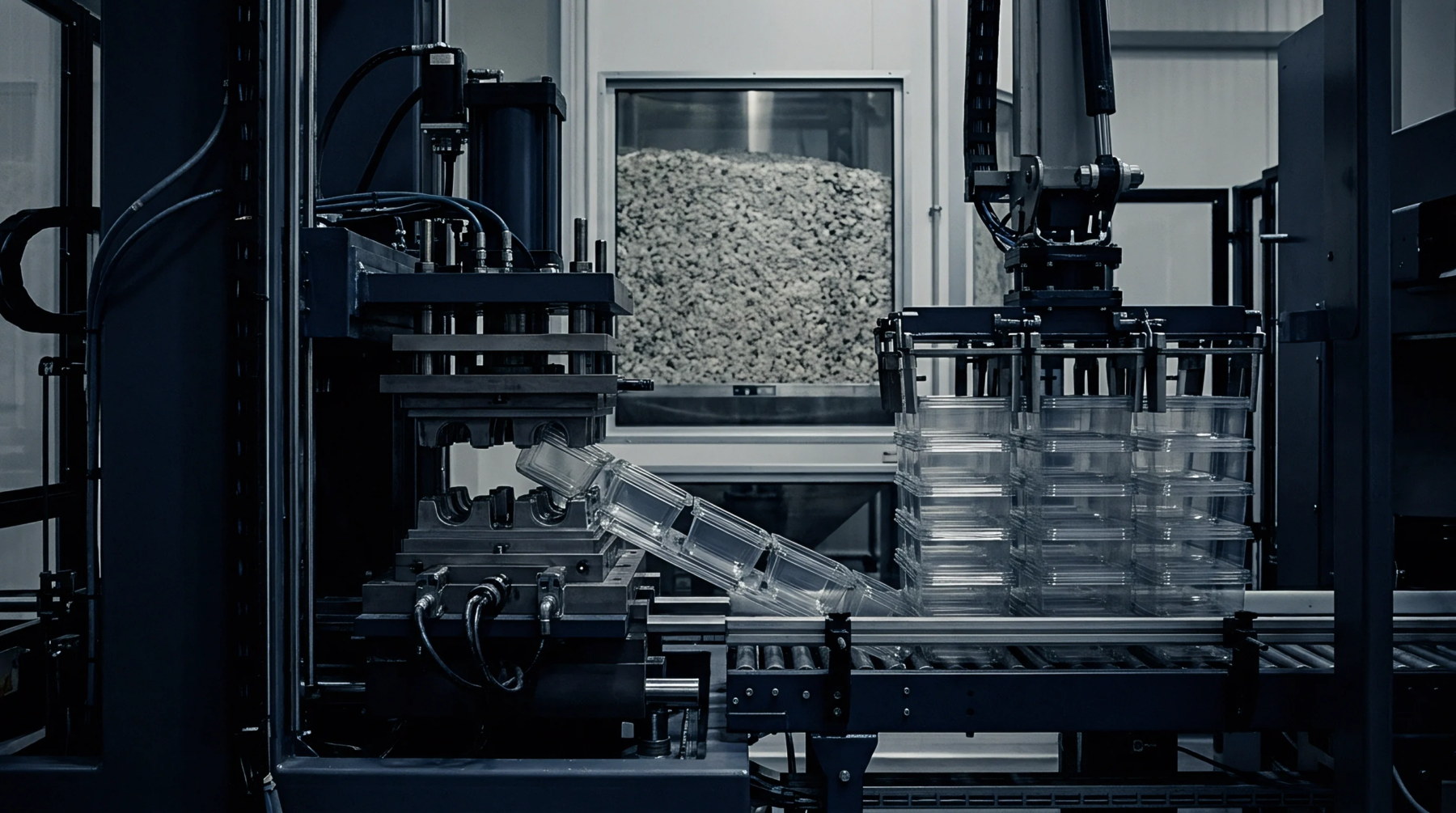
Manufacturing operations for transparent amorphous copolymers involve extrusion or injection moulding at moderate temperatures. Reliable petg processing requires careful attention to the material’s sensitivity to water and heat. This resin is preferred for its high impact strength and excellent clarity in thick sections.
Moisture Control
Desiccant drying is mandatory to prevent the hydrolytic degradation of the polymer chains. Inadequate drying during petg processing leads to bubbles and a significant loss of mechanical properties in the finished part. The resin must reach a moisture level below zero point zero five percent before entering the machine.
Temperature Management
Lower melt temperatures compared to standard pet help to prevent yellowing and thermal breakdown. Successful petg processing relies on maintaining a narrow temperature window to ensure consistent flow without degrading the resin. Overheating the melt results in a loss of viscosity and poor part aesthetics.
Tooling Design
Generous draft angles and polished surfaces assist in the removal of the parts from the mould. During petg processing the material has a tendency to stick to the metal surfaces if the cooling is not uniform. Correct gate placement minimizes internal stresses and prevents the formation of weld lines.
Moulders often use cooling cycles that are longer than those for standard resins to ensure part stability. This technique produces components with high optical quality and structural integrity.