Meaning
High temperature melt processing methods convert polyetheretherketone resin into semi-crystalline components with extreme chemical and mechanical performance. Conducting PEEK moulding requires barrel processing temperatures near four hundred degrees Celsius and oil heated tools running above one hundred and sixty degrees Celsius. The process governs the manufacture of structural aerospace brackets, medical spinal implants and high load oilfield seal rings.
It stops being practical when processing equipment cannot reach required thermal limits or when tooling steel softens at elevated operating temperatures.
Thermal Management
Polyetheretherketone requires high thermal energy to melt completely and flow smoothly into intricate cavity details. Precise temperature zoning along the extruder barrel prevents localized thermal degradation while ensuring uniform viscosity during injection. Executing PEEK moulding with cold tooling results in amorphous, brownish components that lack mechanical strength and chemical resistance.
Maintaining hot tool faces allows full crystallization, yielding tan colored parts with high tensile strength.
Crystallinity Control
Cooling speed dictates crystalline domain growth, directly impacting component wear resistance and modulus values.
Tooling Demands
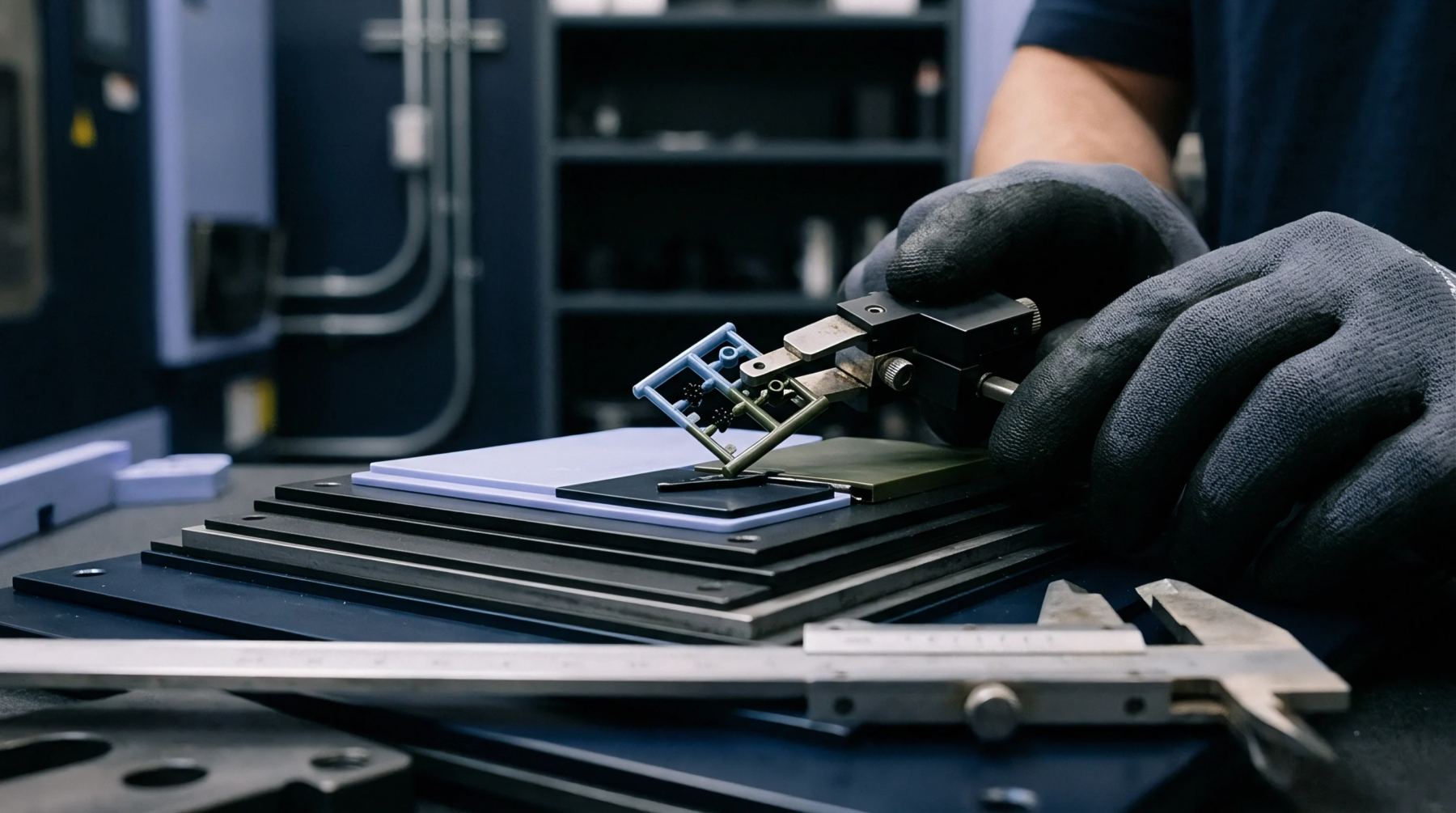
Moulds built for polyetheretherketone processing utilize specialized tool steels like H13 or nickel alloys to withstand high clamping forces and intense heat cycles. Thermally isolated platen insulation plates protect machine hydraulics from extreme tool operating temperatures. Using regrind requires careful screening because contaminated recycled PEEK loses structural integrity rapidly under high service temperatures.
Disciplined thermal management delivers stable dimensions across demanding production environments.