Meaning
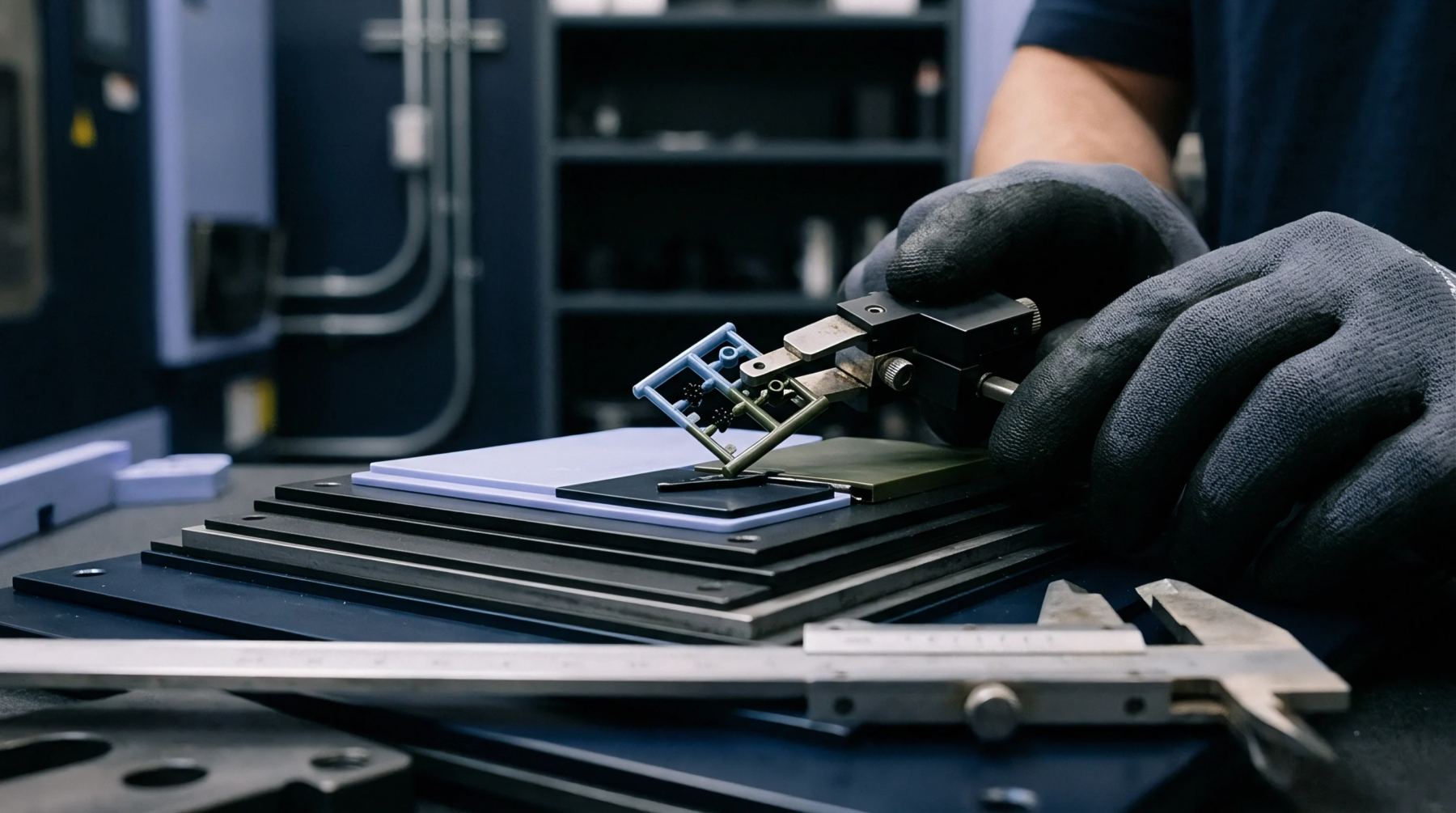
Mass discrepancy metrics evaluate the shot-to-shot stability of an injection moulding process by comparing individual component weights against established target means. Measuring part weight variance reveals underlying instability in melt density, non return valve seating or screw recovery times during production runs. The metric governs short shot detection, sink mark occurrence and overall volumetric filling consistency across multi cavity tools.
It stops providing useful process control signals if components carry variable attached runner systems or un-trimmed flash.
Volumetric Stability
Moulding machines maintain consistent shot delivery by transitioning from velocity control to pressure control at exact screw positions. Fluctuations in melt temperature or backpressure cause density variations that inflate part weight variance values over time. Installing dynamic cavity pressure sensors allows continuous adjustment of packing pressure to compensate for batch to batch resin viscosity shifts.
Consistent part weights indicate stable packing phase execution and repeatable gate seal timing.
Regrind Sensitivity
Inconsistent regrind chip sizing alters feed throat bulk density, causing feed fluctuations and weight drift.
Density Deviation
Polymer crystallization rates affect final solid density, linking cooling channel temperature stability directly to mass uniformity. When cooling channels foul with mineral scale, heat transfer efficiency drops and part weight variance increases across production shifts. Virgin resin datasheets list narrow density bands, but real world shop floor practice demands tight control of barrel thermal profiles to hold weight tolerances.
Minimizing mass variations protects profitability by preventing overpacking and excess raw material consumption.