Meaning
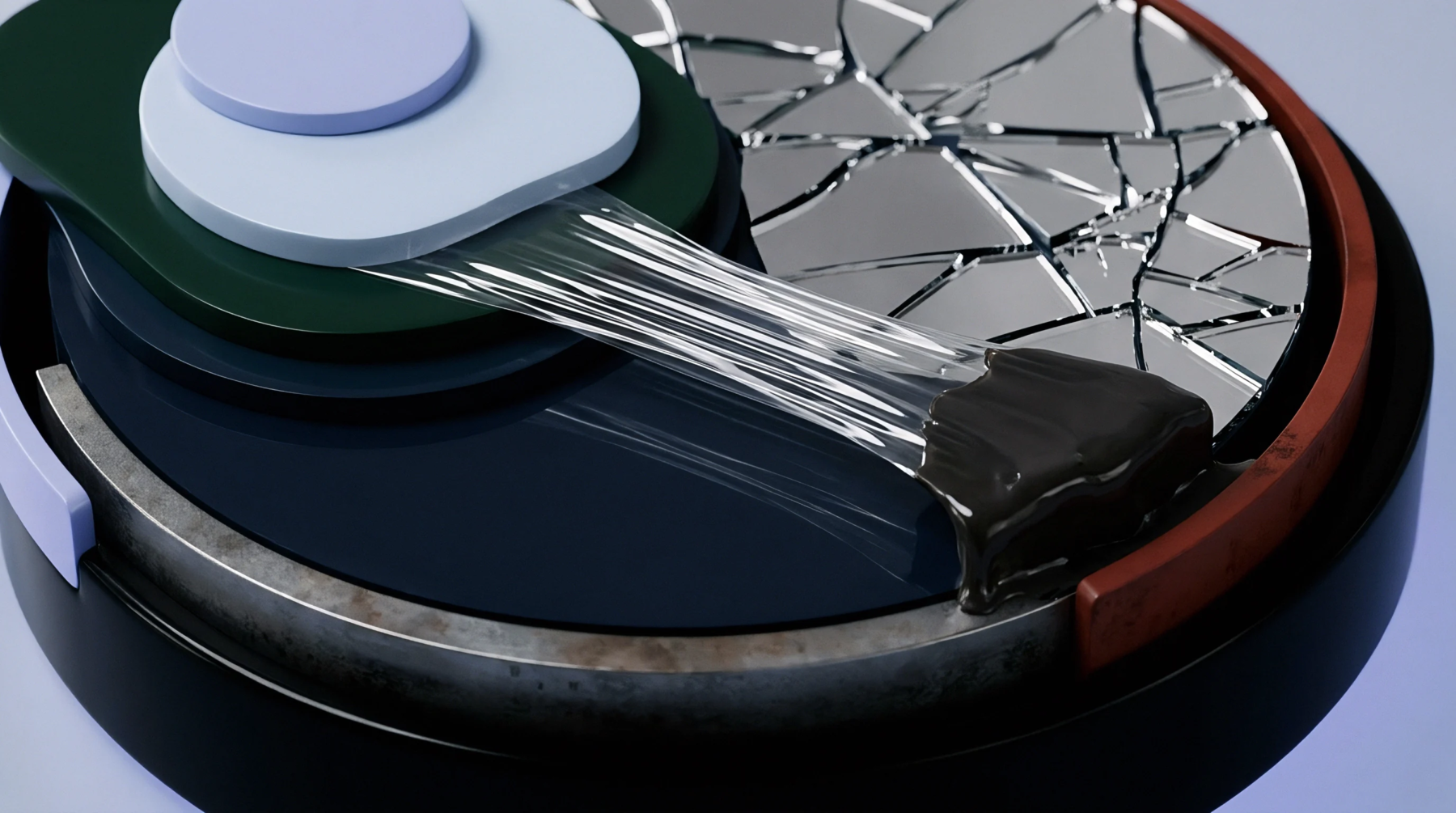
Polymer shaping processes operate under changing temperature conditions as the warm material transfers heat to the surroundings. This thermal state, termed non isothermal deformation, occurs when a thermoplastic is stretched while its temperature varies both spatially and temporally. It represents the actual processing environment in injection and blow moulding, where isothermal conditions are impossible to maintain.
Thermal Transition
During the stretching process, heat transfer between the polymer and the moulding equipment or the surrounding air creates localized temperature gradients. In non isothermal deformation, the cooling rate of the polymer dictates the localized viscosity and flow behavior of the melt. As the material cools, its resistance to deformation increases rapidly.
This temperature-dependent change governs how the polymer fills the mould cavity.
Process Impact
Computer models must incorporate thermal solver routines to accurately simulate this behavior. If the simulation assumes a uniform temperature, it will fail to predict the correct wall thickness of the molded part. This discrepancy can lead to unexpected failures in the final product.
Structural Outcome
The rate of cooling during stretching determines the degree of crystallinity and molecular orientation in the plastic part. Rapid cooling can freeze the polymer in a highly oriented, amorphous state, while slower cooling allows for more crystallization. Balancing these thermal effects is necessary to achieve the desired combination of optical clarity and impact resistance in the container.