Meaning
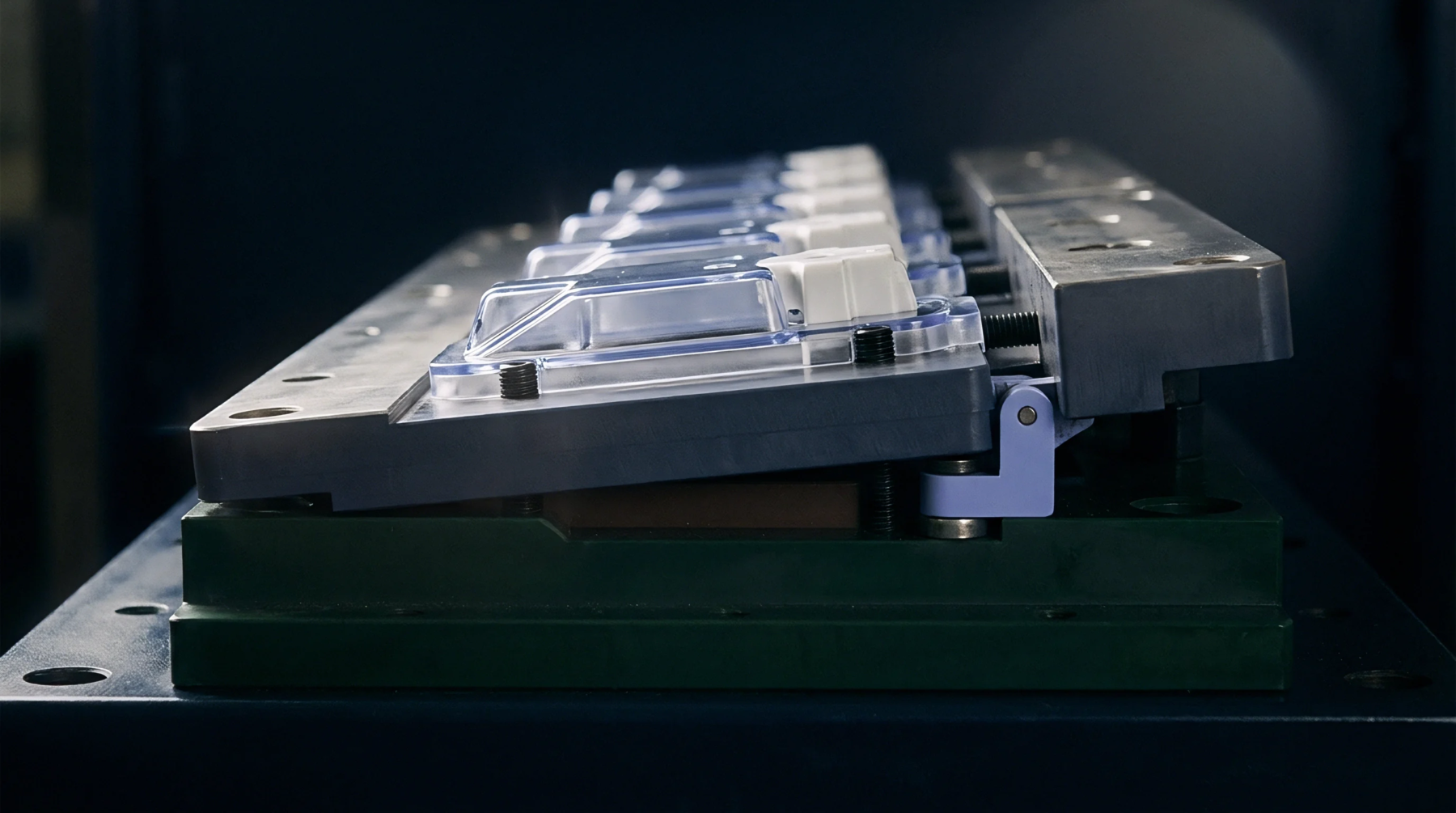
Compression force applied to internal cavity support columns within a tool assembly defines this mechanical state. Mold base support pillar pre-load establishes a controlled interference fit between the A plate and the ejector box to resist deflection during high pressure injection cycles. By generating a deliberate strain within the structural members, the assembly prevents plate bowing that leads to flash at the parting line or core shift.
Tooling Stability
Deflection control remains the primary objective during plastic melt injection. Mold base support pillar pre-load compensates for the immense clamping force that pushes the cavity inserts toward the empty regions of the mold frame. When the pillars remain undersized or lose contact, the unsupported spans sag under the molten resin pressure.
This sagging creates dimensional variance across the finished part geometry. Maintaining this tight contact ensures the plate geometry remains planar throughout the cycle.
Thermal Expansion
Metallic components respond to changing heat levels throughout production runs. Mold base support pillar pre-load accounts for the differential growth between the steel plates and the pillar stock as the mold warms toward steady state. Excessive interference at room temperature risks internal stress fractures or prevents the mold from closing fully.
Moulders calculate the height difference based on the coefficient of thermal expansion for the specific steel grades chosen. Precise measurements allow the pillars to achieve full contact only when the tool reaches operating heat.
Processing Impact
Variable outcomes appear when the interference level deviates from the engineering intent. Insufficient pre-load results in intermittent parting line flash because the plates flex under peak packing pressure. Oversized pillars distort the A plate surface or damage the pocket seats during installation.
Proper calibration reduces the wear on guide pins by keeping the plate stack aligned through consistent internal support. This mechanical tension stabilizes the cavity depth across consecutive injection cycles.