Meaning
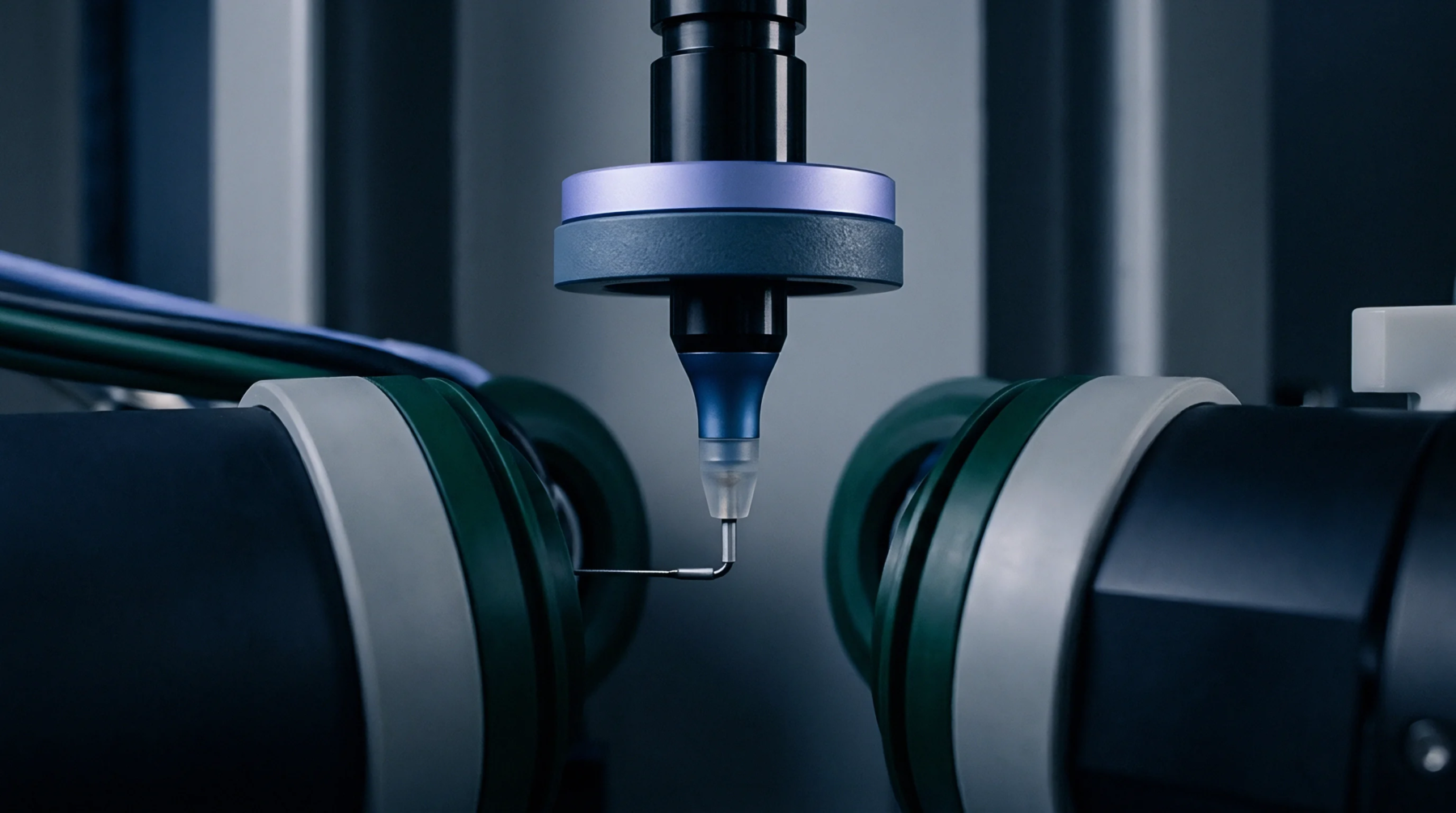
Precision engineering hardware facilitates the creation of thermoplastic components with sub-milligram shot weights and dimensional tolerances measured in single-digit microns. Micro injection molding operates through specialized screw geometry and low-volume barrels to prevent polymer degradation during the high-heat cycles required for fine detail. Equipment manufacturers design these systems for high-cavitation efficiency to minimize material waste while maintaining extreme repeatability across thousands of cycles.
Melt rheology dictates the successful outcome of the process because viscosity variation in small channels prevents complete cavity filling. Tooling interfaces require specialized venting to allow air evacuation from tiny voids, as trapped gas creates burns and short shots that ruin part geometry. The gate location governs the flow front advancement, and improper placement results in knit lines that compromise structural integrity.
Processing Dynamics
Secondary variables influence the thermal stability of the melt before the injection stage starts. High-frequency oscillating shear rates degrade molecular chains within high-viscosity resins, which alters the mechanical properties of the finished product. Heat transfer through thin wall sections happens at different rates than bulk flow, and this disparity creates internal stresses that cause warpage upon ejection from the tool.
Moulders verify these parameters against datasheet values, yet the pressure drop across narrow nozzles often forces the use of higher temperatures than resin suppliers recommend for larger parts. Regrind materials exhibit inconsistent bulk density that shifts the process window during continuous operation, so engineers prefer virgin resin to ensure stable flow characteristics.
Tooling Geometry
Metallic inserts require precise surface finishing to allow for the release of parts that weigh less than a human hair. Mold steel selection follows thermal conductivity requirements because faster cooling cycles prevent resin shrinkage during solidification. Wear resistance in the core pins maintains dimensional accuracy over the life of the tool, whereas cheap materials deform under the high clamping pressures necessary to stop flash formation at the parting line.
Maintenance cycles involve microscopic cleaning of vents because residue accumulation blocks air paths and stops the flow. Experienced technicians inspect the parting line for gaps that measure only a few micrometers wide.
Economic Outcomes
Component cost involves amortization of expensive high-precision tooling and the energy consumption of specialized machinery that runs for extended durations. Setup times remain long because operators must achieve equilibrium in both the temperature of the melt and the stability of the mold wall before production begins. High quality requirements for medical or electronic subassemblies necessitate the installation of secondary inspection stations that verify every part against a golden sample.
Low volumes per batch drive up the price per unit, yet the elimination of secondary machining or assembly operations offsets the initial investment in the equipment. Efficiency gains result from the integration of automated handling systems that remove parts from the tool without human intervention. Small feature resolution remains the primary driver for adoption in sectors where space constraints limit the size of functional mechanical systems.