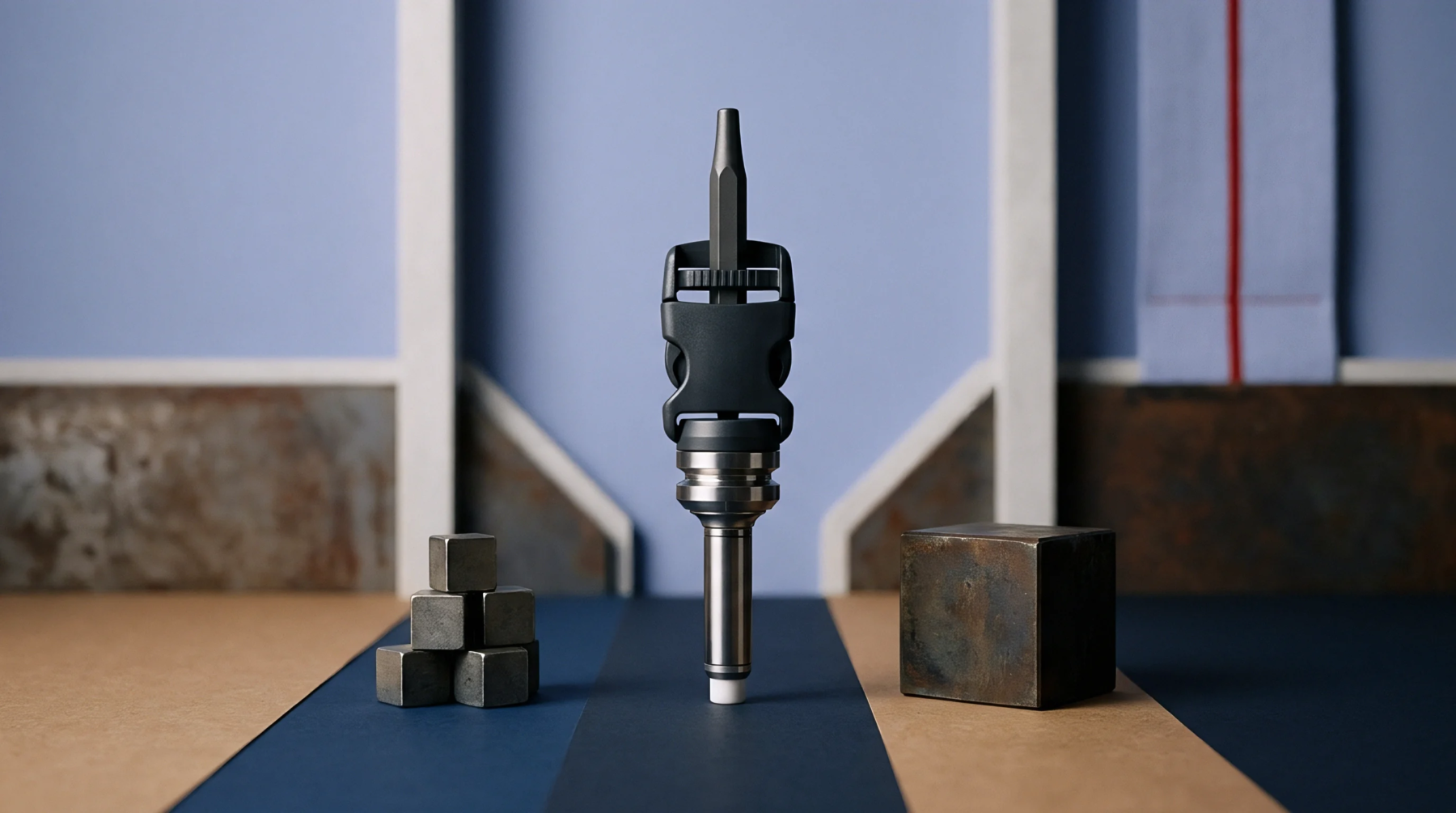
Thermal Expansion Mechanics in High Cavitation Micro Injection Tooling
Precision thermal pitch compensation and strict alloy CTE matching eliminate alignment failures and shut-off land galling in high cavitation micro tooling.
High-velocity molecular degradation occurring at the injection nozzle or gate interface defines this phenomenon, limiting the structural integrity of thermoplastic melts during rapid filling stages. Micro gate shearing happens when polymer chains rupture under excessive localized force as resin enters a narrow aperture. This process governs the upper threshold of injection speed before polymer properties decline.
The boundary of application remains fixed at the point where thermal energy from frictional work exceeds the chemical bond energy of the base resin. Molecular weight reduction results in lower viscosity, often creating surface cosmetic defects such as jetting or gloss variations. Virgin materials withstand higher velocity thresholds than regrind batches because contaminated chains trigger earlier failure points.
Operators regulate this event by adjusting the valve gate diameter or modulating the injection profile to maintain laminar flow conditions across the narrowing transition zone.
Viscoelastic materials exhibit varying degrees of vulnerability during the forced transition from runner to cavity. Polymers with long chain structures or wide molecular weight distributions tolerate higher velocity gradients than short chain counterparts. This property dictates the maximum safe gate size for a specific grade of resin.
Engineers compare the material datasheet values for viscosity at high shear rates to estimate the safe operating window for a production tool. Excessive velocity through the gate forces the polymer to align rapidly, inducing frozen-in stresses that later cause warping or premature part failure in service environments. Precise control of the cavity fill rate prevents the degradation that otherwise destroys the physical performance of the finished component.
Orifice diameter determines the residence time and the magnitude of the pressure drop during each cycle. Narrow gates increase the localized pressure differential, forcing the molten plastic through a smaller volume in a shorter duration. This configuration heightens the risk of damage by increasing the frictional heating effect as the mass accelerates.
Designers mitigate this effect by increasing the gate land length or introducing a radius at the gate entrance to facilitate smoother flow. A tool lacking these features often produces parts with internal voids or brittle segments near the injection point. Consistent molding requires a gate geometry matched specifically to the flow characteristics of the chosen polymer grade.
Production costs depend on maintaining high cycle times while ensuring the chemical stability of the resin remains intact. Reducing the shear stress prevents unnecessary waste associated with part brittleness or aesthetic failure. Moulders balance the demand for fast cycle completion with the structural requirements of the final piece.
Relying on lower injection speeds protects the material but sacrifices productivity and throughput efficiency. Optimization involves finding the narrow margin where the part meets structural specifications without triggering molecular damage during the transient flow state. High pressure at the gate signifies a process that operates near the limit of material endurance.
Precision thermal pitch compensation and strict alloy CTE matching eliminate alignment failures and shut-off land galling in high cavitation micro tooling.
Expertise is a utility, not a secret. sentiention™ publishes its working knowledge as open reference: intelligence layer covering the materials it sources, the markets it enters, and the reference that serves both.