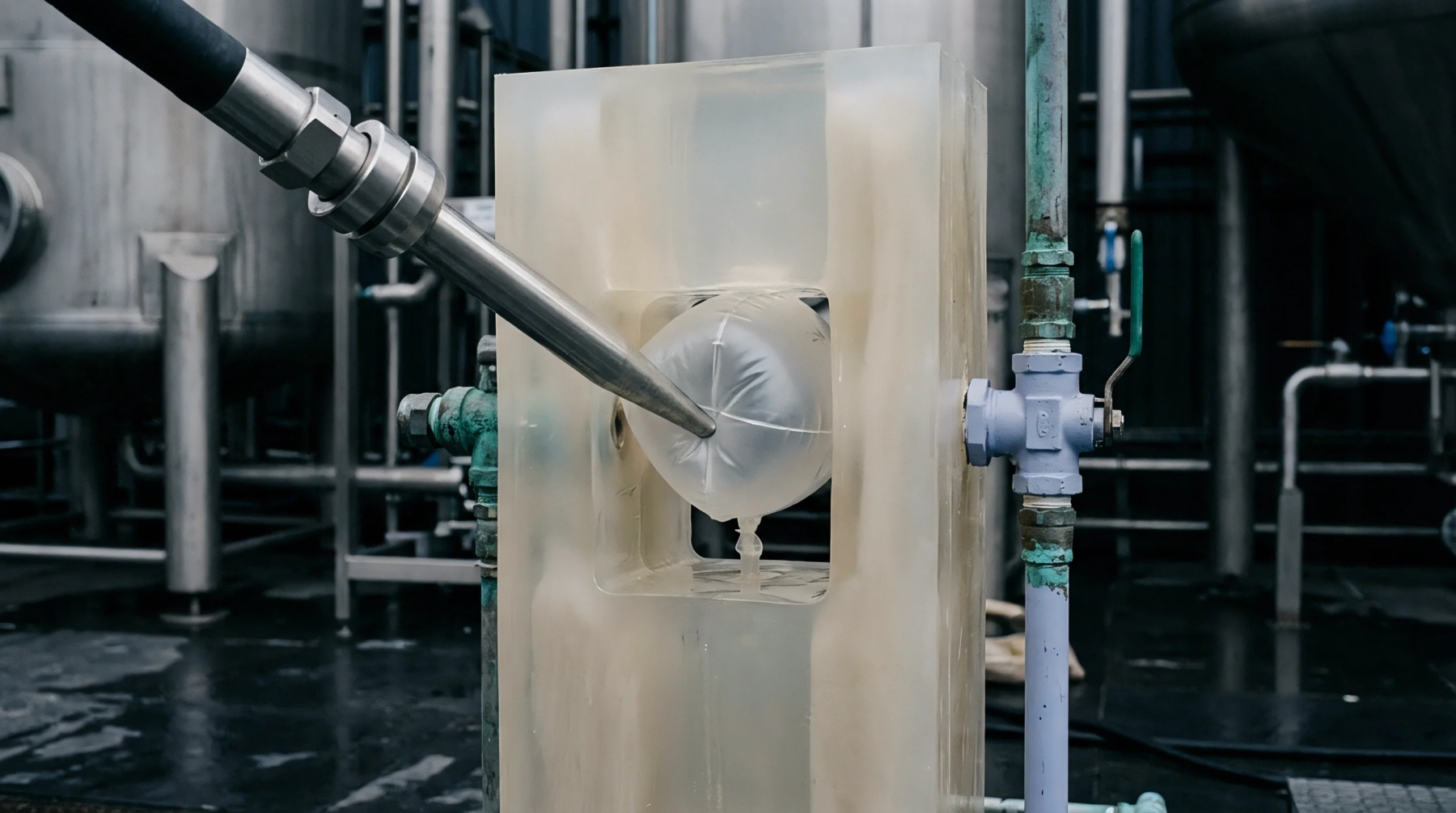
Micro Mould Cavity Pressure Sensor Placement Mechanics
Sub-millimetre cavity pressure sensor placement requires sub-two-micron pin clearances and end-of-fill installation to decouple micro-melt viscosity from V/P switchover.
Polymer processing physics relies on micro fluid dynamics to dictate how molten thermoplastics flow through restrictive channels within precision injection moulds. This operational mechanism governs melt front velocity, shear rate distribution, and packing pressure transmission during the filling phase of production. Boundary conditions apply strictly to non-Newtonian polymer melts exhibiting viscoelastic behavior under high pressure, failing when molecular degradation occurs at extreme temperatures.
Viscosity variations alter filling patterns, causing short shots or flash when processing parameters drift outside narrow tolerances. Virgin resin maintains predictable rheological behavior, whereas regrind introduces molecular weight degradation that alters flow resistance across identical tooling geometries. Datasheet values represent ideal laboratory conditions, whereas production environments demand continuous compensation for batch-to-batch melt index shifts.
Cavity pressure sensors translate flow behavior into actionable processing data during high-speed production cycles. Tooling engineers set injection speeds within the primary dosing phase to prevent excessive shear heating of the polymer melt. Temperature controllers regulate barrel zones to maintain consistent viscosity profiles before the material enters the runner system.
Processing window drift results in dimensional warping and structural sink marks on finished components. Material specifications define raw polymer characteristics, whereas part specifications dictate final dimensional tolerances required for assembly. Moulder operators must verify that actual cavity pressures match established production curves to avoid costly part rejections.
Polymer feedstock selection determines the economic viability of precision moulding operations through predictable flow characteristics. Virgin pellets command higher procurement costs but guarantee consistent processing performance without unexpected viscosity spikes. Reprocessed material reduces raw material expenditure while introducing unpredictable rheological variations that require constant machine adjustments.
Scrap rates escalate rapidly when recycled polymer batches fail to maintain uniform flow rates through intricate mould geometries. Production costs decrease when raw material properties remain stable over extended manufacturing runs. Supply chain stability depends on rigorous incoming quality testing of polymer feedstocks before shop floor release.
Molecular orientation within moulded parts depends directly on localized shear forces experienced during cavity filling. Injection pressure drives the polymer melt through narrow gates, generating thermal energy that alters local viscosity. Uncontrolled shear rates lead to polymer chain scission and structural weakness in thin-walled sections.
Part specifications establish acceptable mechanical strength limits that compensate for internal molecular alignment gradients. Tooling geometry must accommodate specific flow properties to eliminate surface blemishes and internal voids. Process technicians adjust clamping tonnage and injection velocity to mitigate the adverse effects of excessive shear stress on the polymer structure.
Sub-millimetre cavity pressure sensor placement requires sub-two-micron pin clearances and end-of-fill installation to decouple micro-melt viscosity from V/P switchover.
Expertise is a utility, not a secret. sentiention™ publishes its working knowledge as open reference: intelligence layer covering the materials it sources, the markets it enters, and the reference that serves both.