Meaning
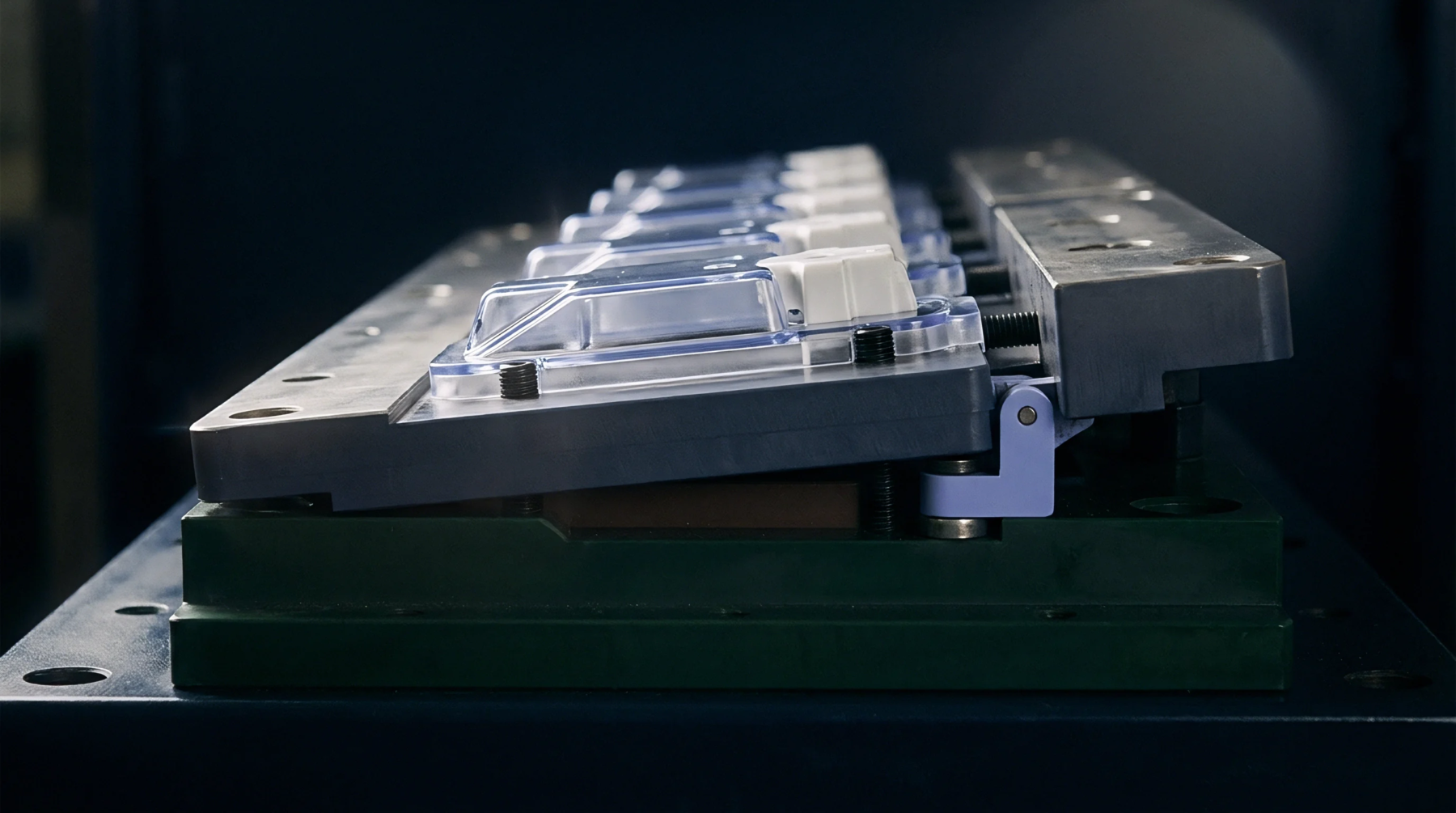
The preparation method known as ISO 294-1 specimen testing establishes injection moulding parameters for universal test pieces used in thermoplastic characterisation. Polymeric material standards require this controlled fabrication protocol to minimise molecular orientation gradients and thermal residual stresses within the coupon before mechanical property evaluation occurs. Commercial laboratories apply this standard method to determine tensile strength and impact resistance values for virgin resins.
Regrind polymer fractions frequently display altered melt behaviour during this preparation stage, shifting mechanical performance away from the baseline datasheet values established by original material manufacturers.
Cooling Control
Mold temperature regulation dictates the final crystalline morphology of semicrystalline polymers during fabrication. Water circulation channels maintain cavity walls within specified thermal bands to prevent differential shrinkage across the test coupon cross section. Inconsistent fluid velocity inside tooling circuits introduces localised cooling rates, resulting in warp and void formation within thick sections.
Melt Flow
Injection velocity determines shear stress levels imparted to polymer chains as molten plastic enters the tool cavity. Pressure transducers monitor hydraulic pack profiles to ensure uniform density throughout the moulded article without inducing orientation artifacts. Excessive injection speeds cause gate blush and molecular degradation, invalidating the mechanical test results derived from the affected plaque.
Dimensional Tolerance
Part specification compliance relies on post-moulding shrinkage compensation built directly into the steel cavity dimensions. Shrinkage rates vary between amorphous and semicrystalline grades, requiring precise holding pressure duration to lock in nominal width and thickness values. Dimensional drift outside allowable limits indicates unstable machine barrel temperatures or inconsistent resin moisture content during processing.