Meaning
Heat extraction is the longest phase of the shaping process for thermoplastic resins during manufacturing. Proper design of injection moulding cooling ensures that the molten polymer solidifies uniformly and reaches a temperature where it can be ejected without deformation. This step determines the overall throughput of the production line.
Thermal Exchange
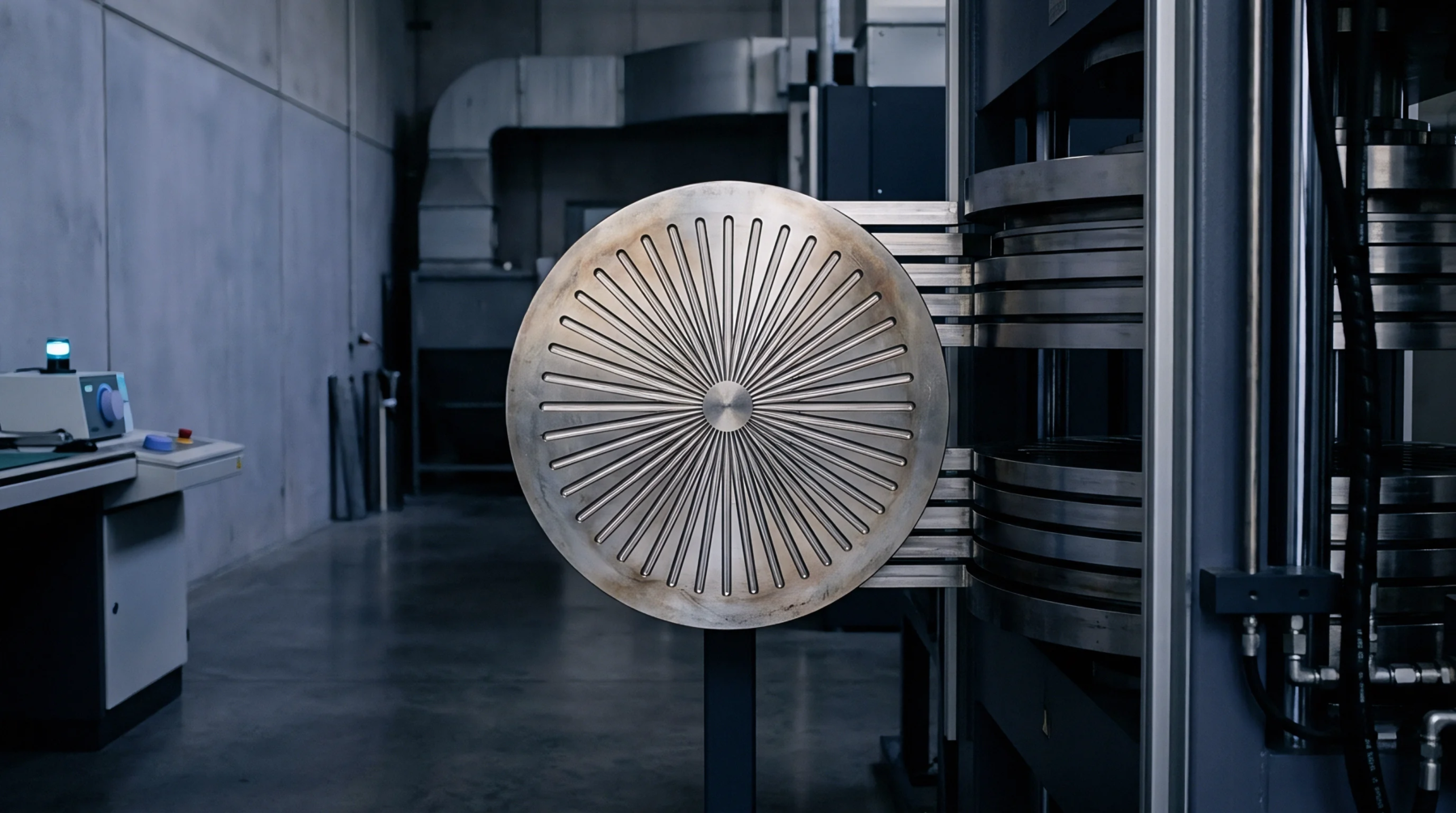
Coolant channels drilled into the mould steel transfer thermal energy away from the hot melt. In injection moulding cooling, the choice between conventional straight drilled lines and conformal cooling channels determines how evenly the heat is removed from complex geometries. Conformal channels follow the contour of the part.
Cycle Optimization
Packaging and thin wall moulders continuously strive to reduce the time the part spends inside the mould. Optimizing the injection moulding cooling stage involves balancing the coolant flow rate and temperature to achieve turbulent flow within the channels. This turbulence maximizes the rate of thermal transfer, which reduces the cycle time by several seconds and increases the daily production output of the manufacturing plant.
Warpage Prevention
Non uniform cooling across the different sections of a plastic part causes residual stresses and shrinkage variations. Inadequate injection moulding cooling leads to warpage, sink marks and dimensional inaccuracies that reject the part during quality inspection. Maintaining stable mould temperatures avoids these defects.