Meaning
Offline evaluation of hydraulic manifolds, cylinders, and valve gates under pressurized fluid conditions is conducted through this procedure. A hydraulic bench test ensures that hot runner systems and core-pulling actuators operate without internal fluid bypass or pressure loss before being installed in the machine. If a cylinder fails this inspection, the mould cannot maintain the correct clamping force or sequencing during the injection cycle.
This test is limited to auxiliary tooling systems and does not measure the primary clamp force of the moulding press.
Equipment Setup
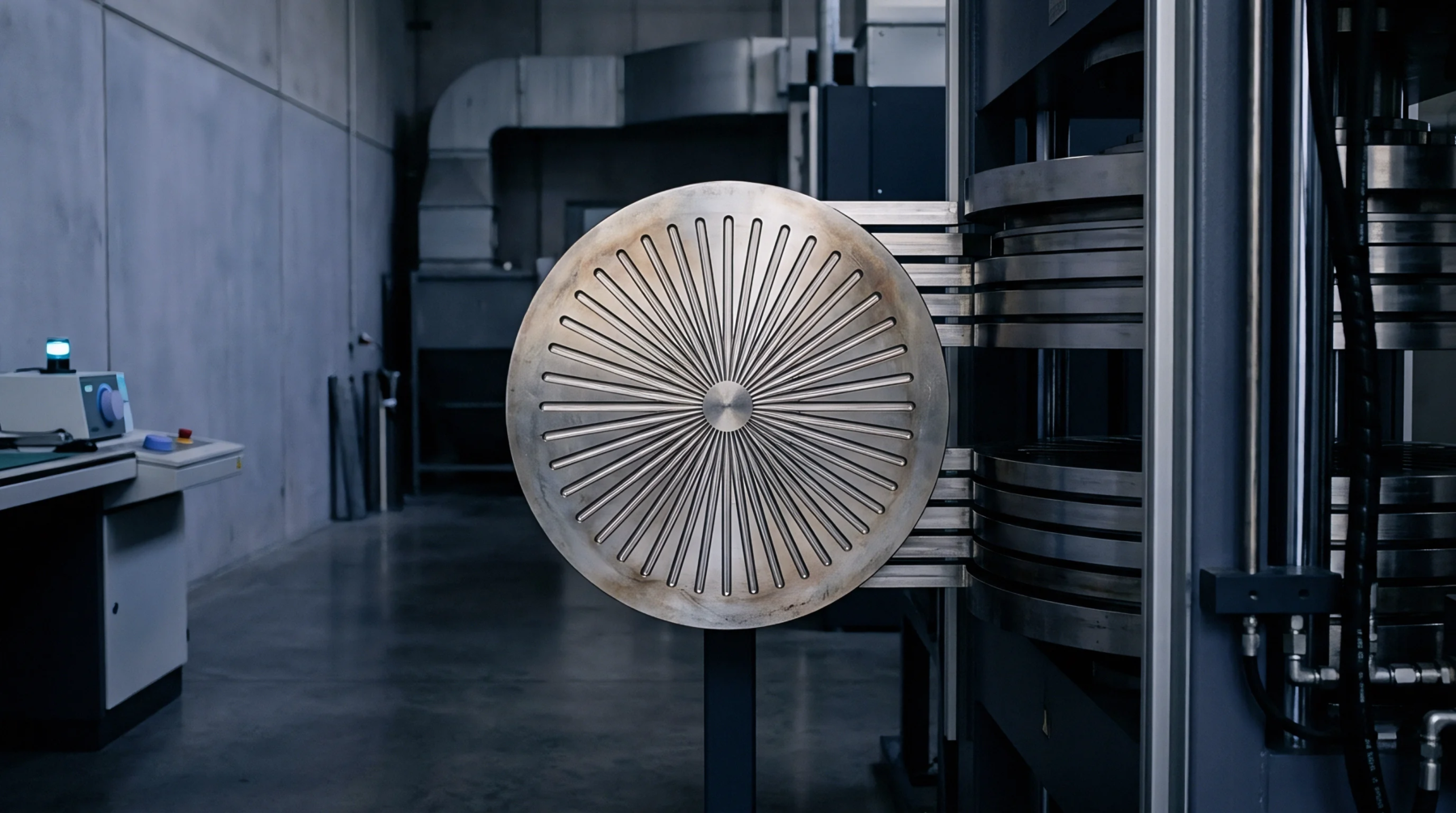
Testing begins by mounting the manifold or cylinder onto a diagnostic workstation. The hydraulic bench test uses pumps to apply fluid pressures matching the operating limits of the press. Transducers record the pressure drops across each valve, verifying that all seals remain perfectly tight under load.
Performance Verification
Measuring the response times of individual valve gates ensures synchronized opening and closing during high-speed moulding runs. The application of the hydraulic bench test reveals sticky plungers or mechanical friction that would otherwise go unnoticed until the mould is in production. If one valve gate responds slower than the others, the cavity filling will be uneven, which causes unbalanced part weights.
This check identifies and isolates these flow discrepancies before the tool is bolted into the press.
Defect Prevention
Finding hydraulic issues on a test bench avoids the massive costs of stopping an active production line to pull and repair a hot mould. A faulty cylinder seal can cause fluid to leak into the mould cavity, contaminating the polymer melt and ruining entire batches of parts. By executing this routine verification, moulders protect their machinery from damage and maintain consistent part aesthetics.
This precautionary step is essential for high-cavitation medical and packaging moulds where even minor downtime is highly expensive and can disrupt entire distribution networks.