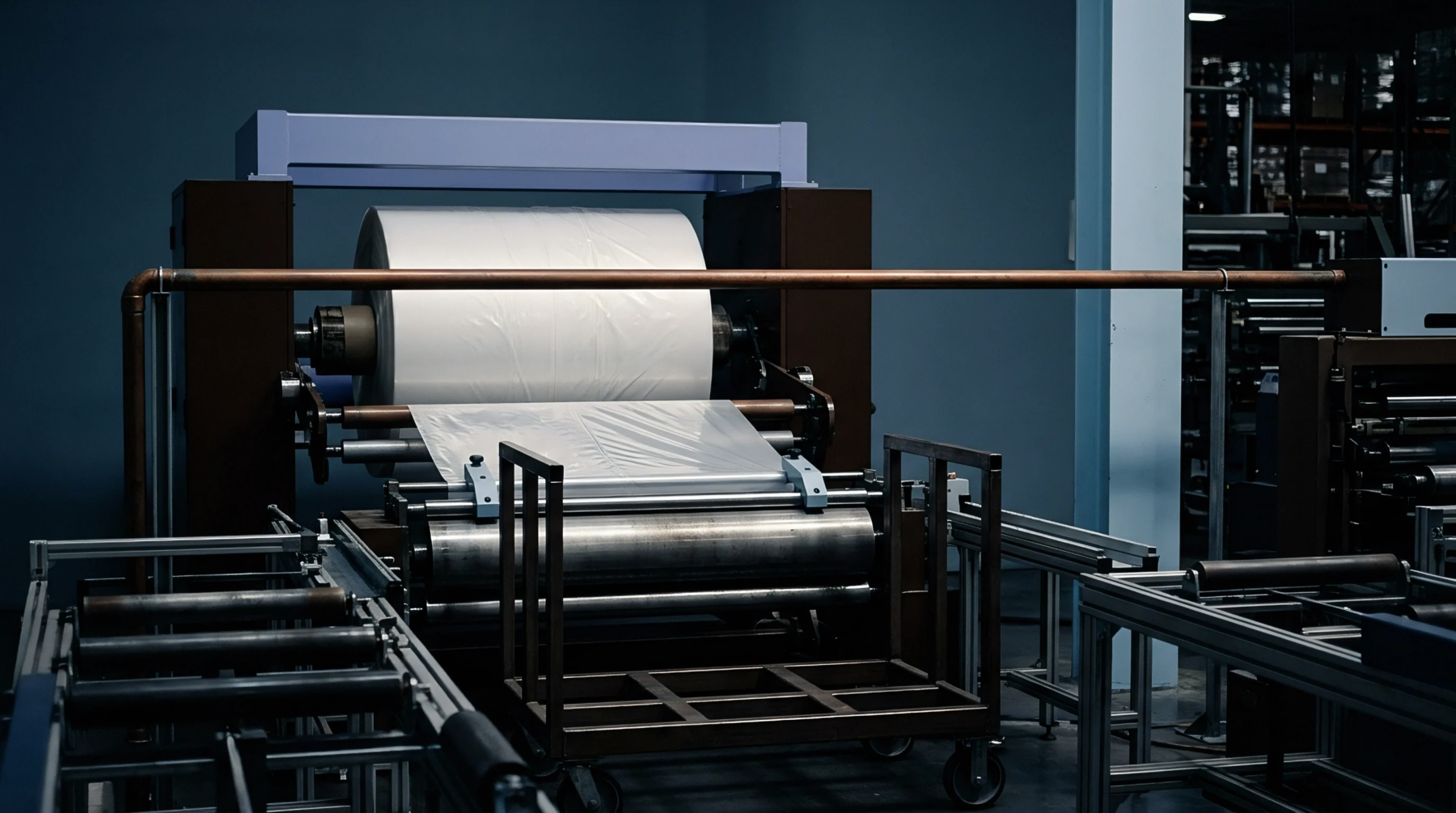
Meaning
Velocity at which a downstream mechanical device draws an extruded profile away from the die and through the cooling medium. This parameter is the primary control for the final dimensions of the part, as it determines the amount of stretch or drawdown applied to the molten material. Maintaining a constant haul-off puller speed is vital for preventing wall thickness variations along the length of the product.
Dimensional Control
Tension must be carefully synchronized with the extruder output to avoid necking or sagging. If the haul-off puller speed is too high, the profile will become thinner than designed, leading to structural weakness. Conversely, a speed that is too low causes the material to bunch up in the calibration tank.
Cooling Synchronization
Transit time through the water baths or vacuum tanks is determined by the rate of travel. When haul-off puller speed increases, the profile has less time to reach a stable temperature before it hits the saw or winder. Insufficient cooling can result in warped parts or surfaces marked by the puller belts.
Process Automation
Electronic gearing often links the haul-off unit directly to the extruder screw speed. This coordination ensures that if the melt flow fluctuates, the haul-off puller speed adjusts to maintain a steady linear density. High quality encoders are required to prevent micro-fluctuations that cause visible jitter marks on the finished goods.