Meaning
Chromium-molybdenum-vanadium alloy steel produced through the electro-slag remelting process serves as a specialized material for high-pressure industrial applications. This h13 esr tool steel undergoes a secondary refining phase where a consumable electrode is melted through a slag pool to minimize chemical segregation and remove non-metallic inclusions. The metallurgical purity achieved by this cleaning process ensures uniform distribution of carbides throughout the crystalline matrix.
Consistent grain structure provides the high hardenability and thermal fatigue resistance required for demanding components.
Thermal Durability
Resistance to heat checks represents the primary mechanical requirement for dies formed from h13 esr tool steel. Elevated temperatures during high-speed injection moulding cycles frequently cause surface degradation in lower purity alternatives. Refined chemistry allows the moulder to maintain consistent cavity dimensions despite cyclic temperature swings between cycles.
Dimensional stability during quenching remains superior due to the absence of large impurities that otherwise act as stress concentrators.
Production Logic
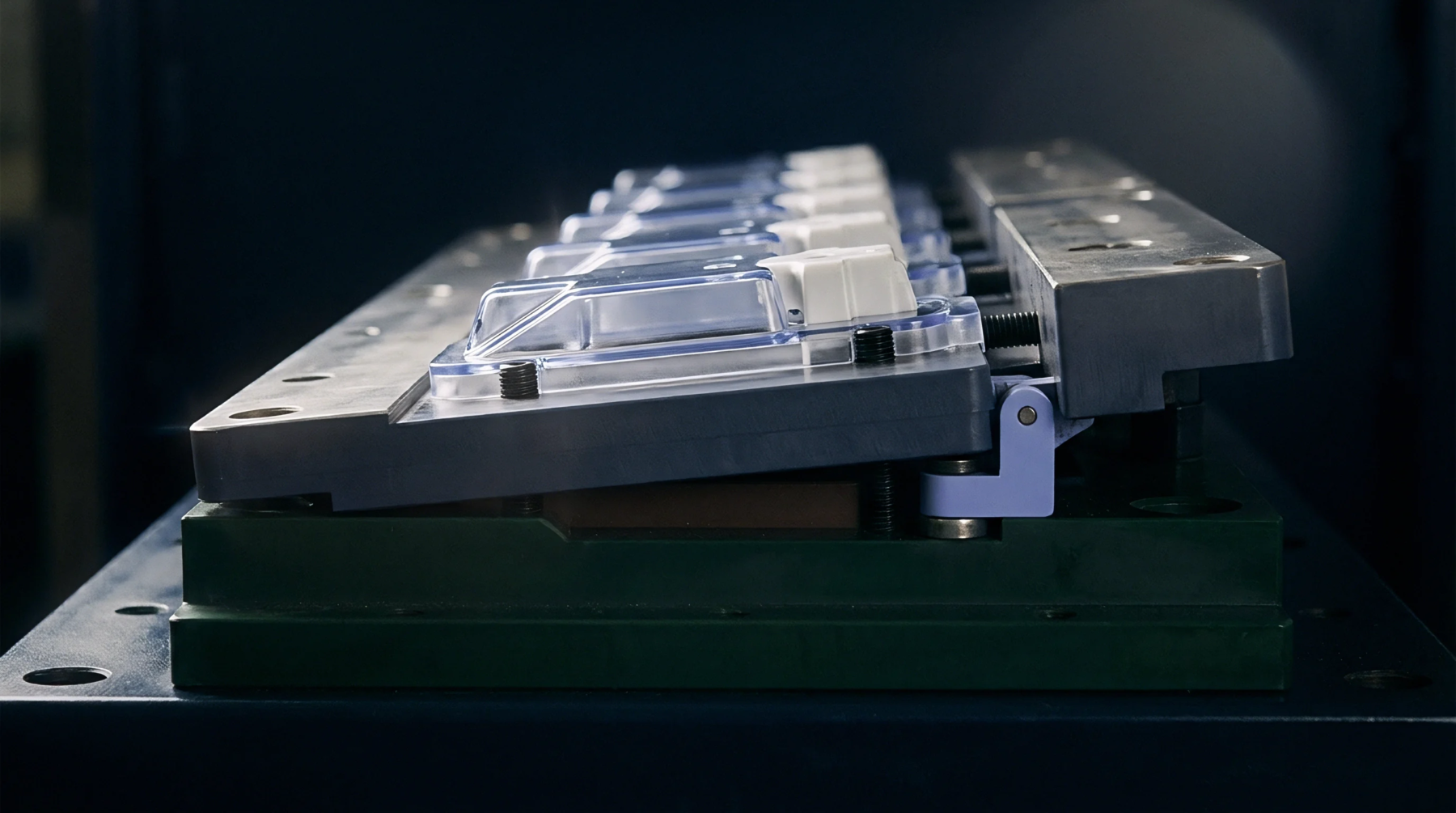
Tooling components manufactured from h13 esr tool steel permit higher operating pressures compared to conventional air-melted grades. Reduced impurity levels decrease the likelihood of crack initiation under intense hoop stress or shear force. Machining costs increase during the fabrication of these inserts because the high alloy content requires dedicated cooling strategies to prevent excessive tool wear.
Careful heat treatment profiles govern the transition from raw block to functional die to achieve the target hardness for specific polymer rheology.
Supply Specification
Procurement teams distinguish this high-purity variant from standard industrial grade steel based on the documented refining method. Mill certificates for h13 esr tool steel provide evidence of the remelting process and the resulting microscopic cleanliness. Buyers verify the material source to avoid the performance volatility associated with recycled scrap feedstock which lacks the chemical precision of prime remelted stock.
Premium pricing reflects the prolonged processing time and the electricity consumption of the slag refinement stage. Performance reliability in long-run injection production justifies the initial cost of this material.