Meaning
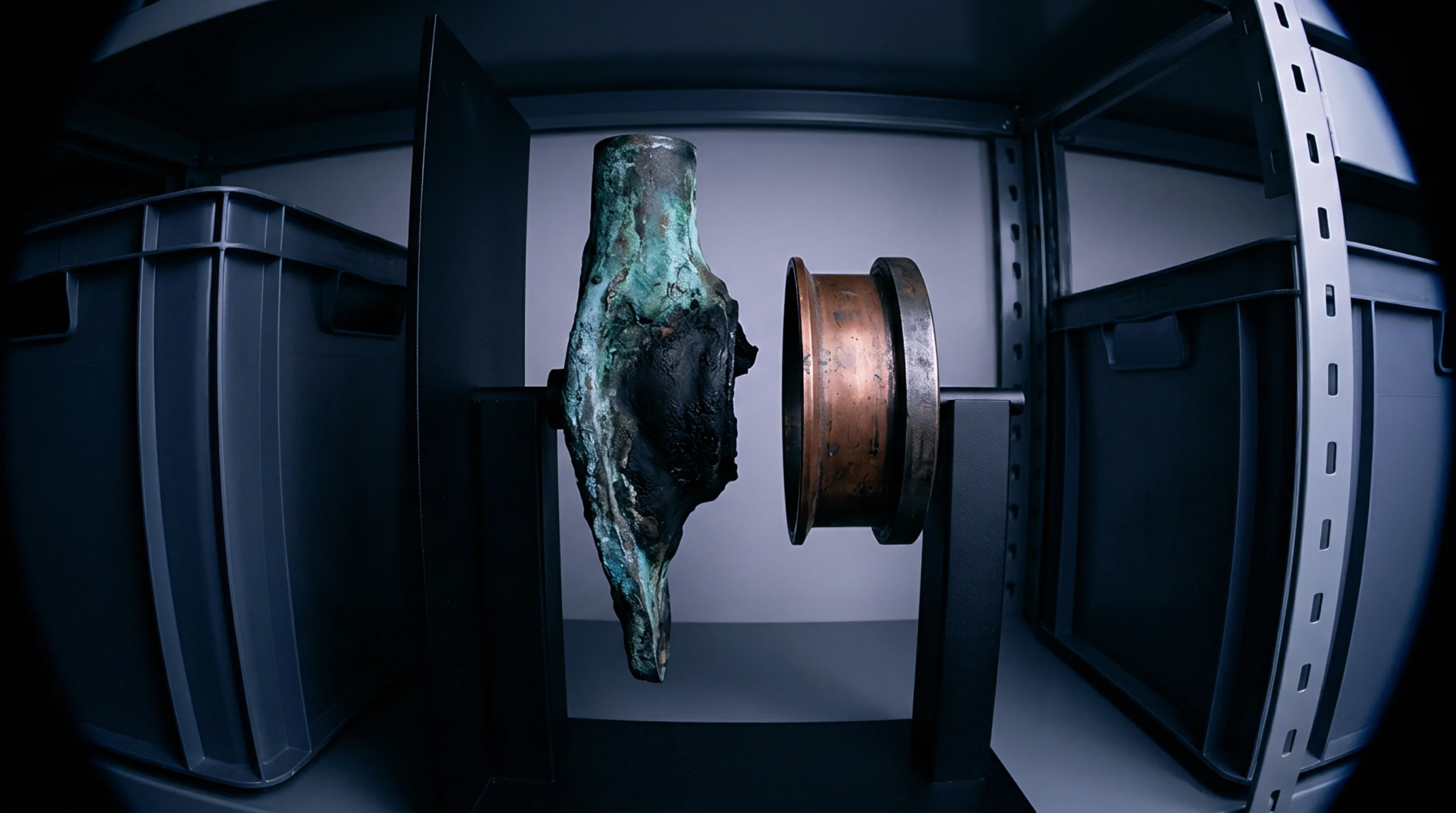
High thermal conductivity metal alloys transfer heat up to four times faster than standard tool steels in high-temperature tooling applications. Injection mould design uses copper beryllium inserts in core pins and thin ribs where conventional water channels cannot reach. This component choice governs localized heat dissipation rate, part cooling uniformity, and overall moulding cycle time.
Its application ends where food contact regulations or extreme mechanical abrasion from glass fibres dictate non-toxic or harder tool materials.
Heat Extraction
Heat removal from cooling plastic melt limits the production speed of injection moulding processes. Core pins made from standard steel retain heat, creating hot spots that cause internal voids and extended cooling times. High-conductivity inserts conduct heat rapidly away from deep moulding features toward main cooling water passages.
Wear Resistance
Tool designers balance thermal conductivity against mechanical hardness when selecting mold insert materials. Precipitation hardening achieves hardness values between 38 and 42 Rockwell C, providing sufficient compression strength for parting line shut-offs. Machining requires precise speed controls and dust extraction to manage health hazards during tool fabrication.
Cycle Reduction
Cooling time accounts for more than half of the total injection moulding cycle in thick-walled parts. Localized cooling enhancement eliminates differential shrinkage across variable wall thicknesses, preventing component warpage and sink marks. Fast heat removal allows shorter clamp hold times and increases hourly part yield from the injection moulding press.
Lowering cycle time by several seconds significantly reduces unit production costs across multi-cavity tool runs.