Meaning
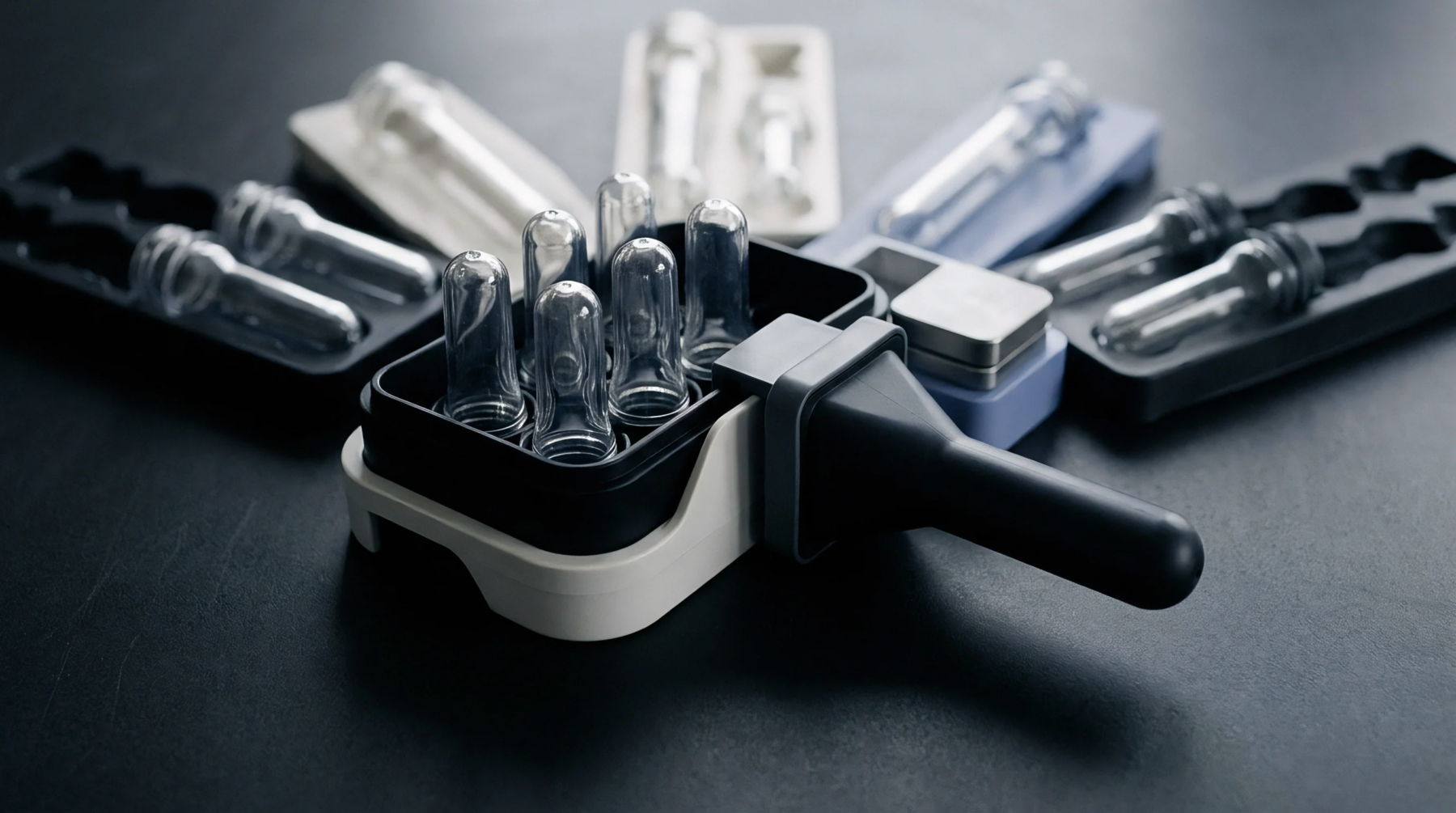
Industrial assets used in outsourced production represent the physical property owned by either the client or the manufacturer. When a brand uses contract manufacturing tooling, the responsibility for maintenance and insurance must be clearly defined in the supply agreement. These assets include injection moulds, die sets, assembly fixtures and inspection gauges.
Ownership Structure
The entity that pays for the design and construction usually retains the legal title to the hardware. Because contract manufacturing tooling involves the exchange of funds for specialized equipment, the purchase order must specify that ownership transfers upon the final payment. A moulder often holds the physical tool while the customer retains the right to move it to a different facility.
This arrangement requires detailed records of asset tags and location logs.
Asset Transfer
Moving equipment between vendors involves risks of damage and production delays. If the contract manufacturing tooling is proprietary, the original manufacturer might restrict the use of certain internal components. The buyer must ensure that all technical drawings and maintenance logs accompany the physical tool during a relocation.
Production Continuity
Reliable output depends on the condition and availability of the specialized equipment. Regular maintenance of the contract manufacturing tooling prevents unplanned downtime and ensures that the resin parts meet the original design intent. A clear tooling agreement prevents production stoppages during a change in suppliers.