Establishing Statutory Possessory Toolmaker Liens in Manufacturing Restructurings
Possessory toolmaker liens preserve priority in manufacturing restructurings by maintaining unbroken physical mold control and enforcing statutory written notices.
Lock
Asserting possessory statutory rights when an original equipment manufacturer enters financial restructuring requires direct physical custody of custom tooling on the moldmaker’s shop floor. Specialized capital equipment like hardened P20 or H13 multi-cavity injection molds, stamping dies, and thermoforming plugs is routinely held at tier-one or mold-building plants. If a customer defaults on progress payments or enters court-supervised reorganization, possessory lien statutes allow the toolmaker to withhold physical transfer of active steel.
These statutory rights hold only while physical custody inside the plant remains uninterrupted; releasing a tool to a customer’s carrier forfeits possessory lien protection under state mold lien statutes and uniform commercial codes.

Statutory Mechanics of Physical Retention
Tooling represents a major capital commitment where title and possession often diverge. Under standard commercial contracts, buyers acquire title to tooling once milestone invoices are paid or first articles are approved, while physical custody stays with the moldmaker under a bailment or manufacturing agreement. When financial distress hits, the asset’s physical location determines what immediate legal remedies the toolmaker holds.
Keeping physical custody of the steel on site remains decisive, as unsecured bankruptcy claims rarely yield more than pennies on the dollar.
Enforcing a possessory lockout requires systematic physical and administrative control inside the shop. At the first sign of financial distress, moldmakers follow a clear protocol to preserve lien rights before any formal court filings take place:
- Audit press logs and material inventories to identify active customer-owned molds mounted or stored on the shop floor.
- Issue a formal written notice of withholding directly to the debtor and appointed insolvency practitioner before any attempt is made to move the asset.
- Move core slides, hot runner temperature controllers, and ejector box assemblies into secure tool vault storage.
- Log serial numbers, cavity inserts, and physical condition signatures across all tooling subject to retention.
Physical retention stops the restructuring debtor or senior lenders from moving production to another molding facility. Custom injection tools engineered for specific press kinematics, tie-bar spacing, and ejection systems cannot be built quickly ~ lead times for replacement multi-cavity tooling typically run from 16 to 26 weeks, giving the holding toolmaker immediate leverage.
Surrendering physical control of an active mold block to a distressed buyer turns a super-priority possessory lien into an unsecured administrative claim that will be heavily discounted in bankruptcy court.
Perfection
Enforcing statutory lien rights against competing creditors requires strict adherence to the notice sequences and filing deadlines set by local commercial codes. While possessory toolmaker liens draw authority from specific state statutes or common-law repairer liens, perfection requirements vary across manufacturing jurisdictions.
Statutory Filing Windows and Evidentiary Proof
Statutory timelines for mold liens differ by jurisdiction. Under statutes like the Michigan Special Tool Lien Act or the Ohio Mold Builders Lien Act, a toolmaker must send written notice to the owner of record by certified mail before physically enforcing the lien. That notice details the unpaid balance, specific tooling, and facility address.
By contrast, under German law (Werkunternehmerpfandrecht pursuant to BGB Section 647), possessory rights attach automatically as fabrication work occurs, provided the toolmaker retains physical custody.
| Jurisdiction | Statutory Basis | Filing and Notice Window | Possession Requirement |
|---|---|---|---|
| Michigan (USA) | Special Tool Lien Act (MCL 570.541) | Written notice to owner via certified mail within 120 days of last work | Mandatory continuous physical holding |
| Ohio (USA) | Mold Builders Lien Act (ORC 1333.31) | Written notice identifying claim within 90 days of last press operation | Mandatory continuous physical holding |
| Germany | BGB Section 647 (Werkunternehmerpfandrecht) | No public filing required; statutory attachment upon work execution | Mandatory physical control within toolroom |
| Ontario (Canada) | Repair and Storage Liens Act (RSLA) | Register financing statement within 56 days of losing physical holding | Possessory lien transitions to non-possessory upon release |
Detailed documentation establishes the exact amount tied to the possessory lien. Restructuring courts closely review claims to separate unpaid mold build invoices from routine piece-price production balances, as bundling piece-price debts into a possessory tooling lien risks forfeiting super-priority status.
Title transfers only upon final payment, and secondary legal remedies rarely protect toolmakers once physical control is lost.
A verified notice period of 120 calendar days under state mold lien statutes secures possessory priority, provided physical custody remains unbroken on the shop floor.
Perfecting a possessory tool lien means assembling a complete legal dossier before the customer files for bankruptcy or enters administration. This record must prove both unbroken physical possession and the outstanding balance:
- Certified notice documentation detailing itemized tooling invoices, part numbers, and exact physical locations sent to the debtor’s legal counsel.
- Tooling build dossiers containing approved engineering drawings, T1 sample inspection reports, and tool trial sign-off sheets that define the scope of work.
- Machine allocation logs tracking cycle counts, maintenance history, and press schedules to show active integration into shop operations.
- Invoiced tooling schedules defining unpaid balances, milestone payment terms, and open engineering change orders to substantiate the claim.
Under Section 14.2 of the standard tooling bailment agreement, written notice of statutory lien enforcement immediately suspends the customer’s right to demand tool transfer or inspection access.
Priority
Senior secured lenders holding blanket liens on floating inventory and equipment regularly challenge toolmakers retaining physical assets during a corporate restructuring. The resolution of these priority disputes determines whether the toolmaker recovers cash or loses its primary leverage in court.
Why Do Senior Lenders Challenge Toolmaker Liens?
Bank syndicates with Uniform Commercial Code filings hold recorded security interests covering machinery, equipment, and inventory, and when a debtor defaults, they move to marshal every asset for liquidation. However, possessory toolmaker liens create an exception to the usual first-in-time rule. Under UCC Article 9-334 and state tool lien statutes, a valid possessory mold lien takes priority over an asset-based lender’s prior perfected security interest.
Priority position dictates cash recovery rates, especially as ongoing press downtime drives up daily costs for all parties.
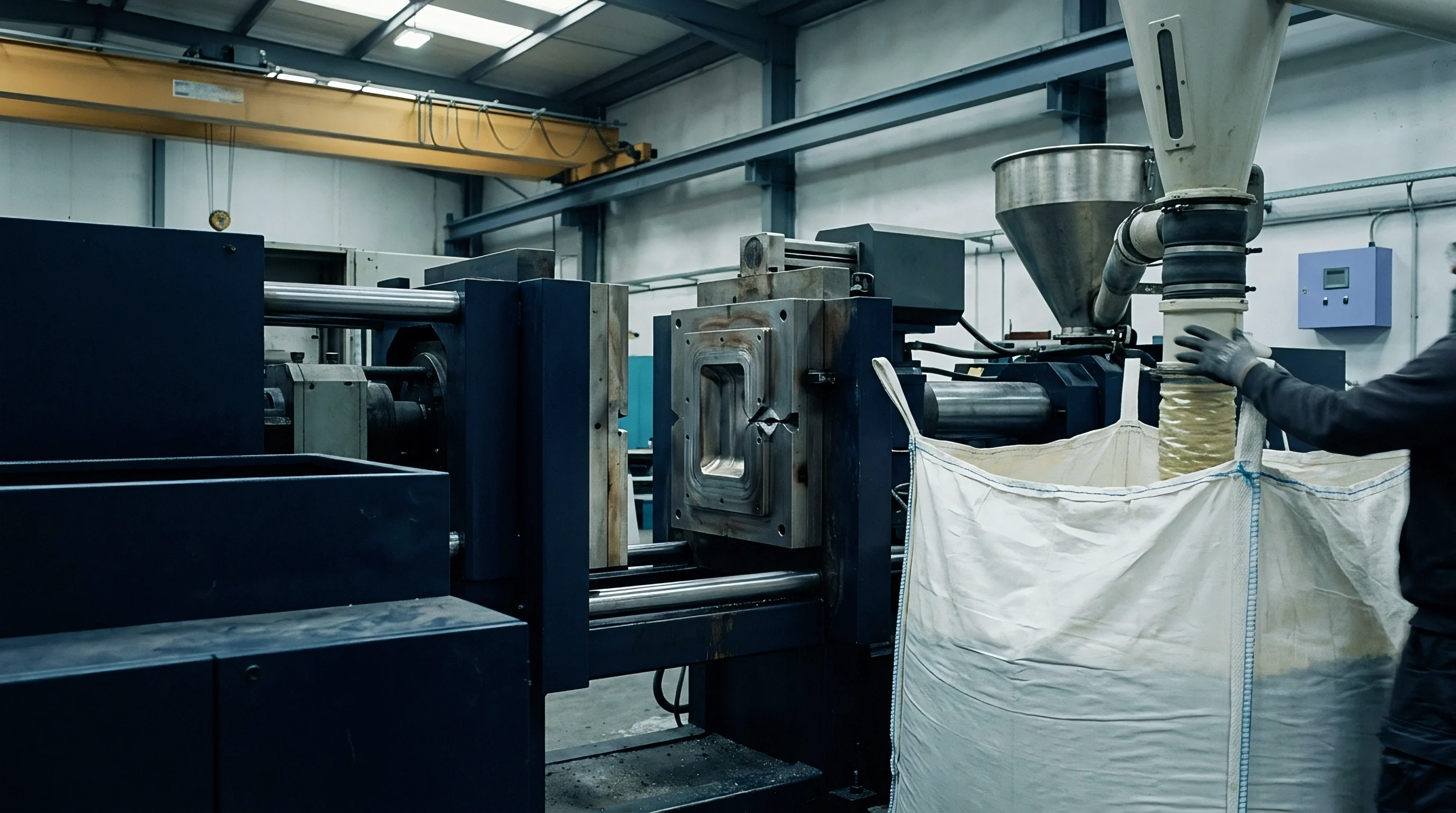
Collateral Valuation Conflicts
Disputes over custom molds stem from the wide gap between specialized manufacturing utility and scrap value. While lenders view tooling as secondary collateral, OEMs depend on it to maintain production ~ a reality toolmakers use to push senior lenders into authorizing direct workout payments.
Statutory possessory rights override prior bank security filings only as long as physical control of the custom steel remains uninterrupted.
Overcoming senior lender opposition requires a methodical approach during restructuring negotiations:
- Verify statutory perfection status against regional commercial registries to confirm super-priority standing before entering standstill talks with lenders.
- Calculate replacement tooling lead time to quantify operational leverage over customer production during court proceedings.
- Audit tooling ownership documentation to separate buyer-funded molds from supplier-capitalized assets.
- Establish segregated bank accounts to receive emergency tolling revenues issued by administrative agents.
Whether restructuring courts will consistently enforce state super-priority tool liens against foreign administrative agents holding multi-jurisdictional floating charges remains unresolved.

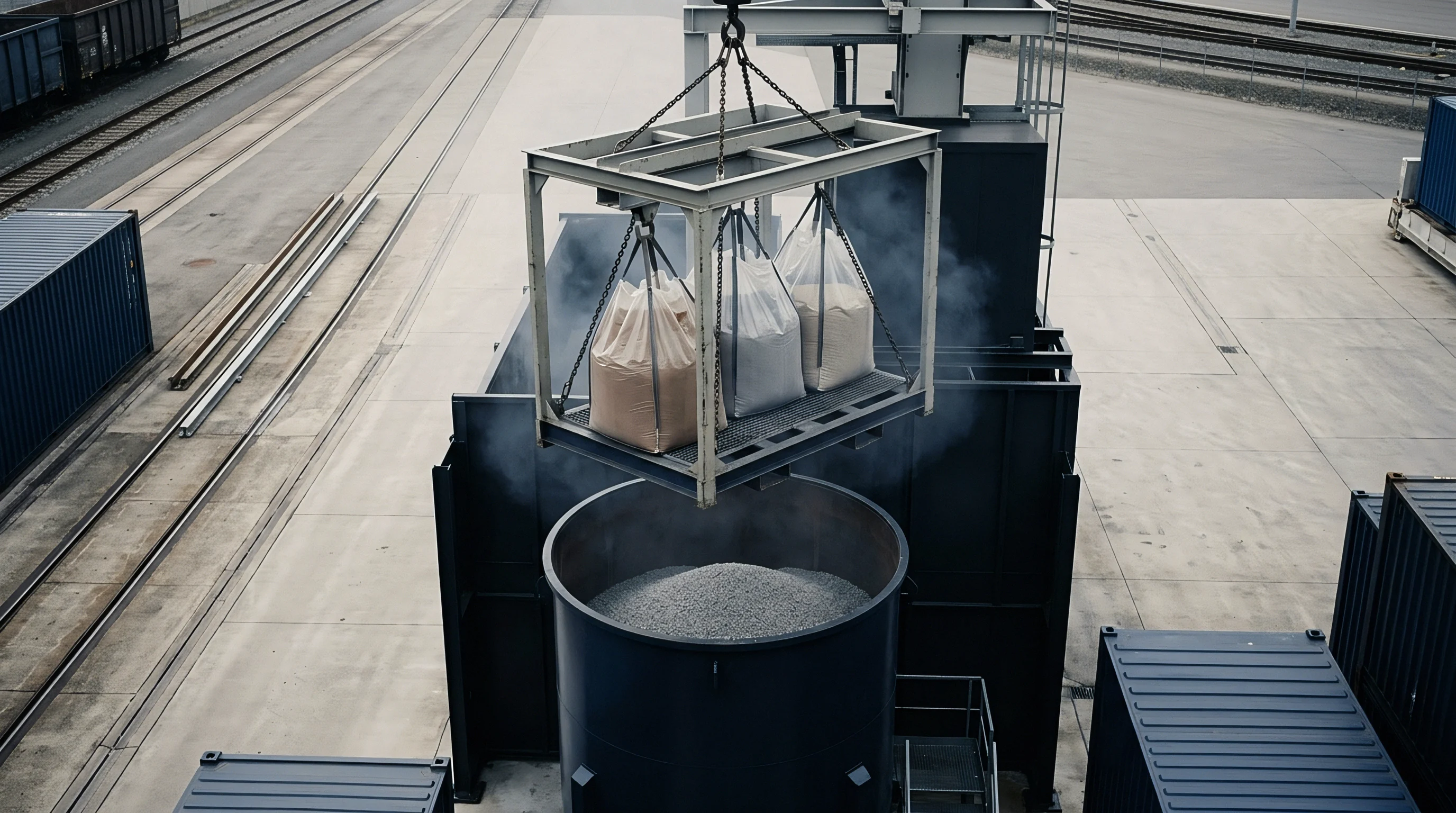
Access
Keeping presses running during a court-supervised restructuring requires formal accommodation agreements that balance OEM supply continuity against toolmaker debt recovery. Because distressed OEMs and tier-one buyers cannot absorb production halts from withheld tooling, restructuring courts often issue interim orders allowing temporary mold use to preserve critical supply lines.

Operational Procedures during Restructuring
Automotive and medical OEMs in insolvency cannot survive supply interruptions. Toolmakers negotiate accommodation terms that grant limited press runs in exchange for court-approved administrative expense priority or direct per-shot cash payments, preserving statutory lien rights while allowing temporary production.
Hot runners demand specialized maintenance during runs, even as administrative stays freeze pending asset seizures.
Running presses under court supervision introduces technical and legal risks that can compromise a toolmaker’s standing if mismanaged:
- Uncontrolled tool transfer allowing third-party carriers to remove active molds before full debt settlement extinguishes possessory lien rights.
- Unfunded press runs executing production runs without pre-funded administrative expense coverage creates unrecoverable shop overhead.
- Inadequate wear logging failing to track cavity erosion and maintenance wear during emergency production shifts leaves repair costs with the toolmaker.
- Vague bailment terms allowing loose customer inspection access risks inadvertent surrender of physical control over core assemblies.
An emergency accommodation order authorizing press usage without cash deposit guarantees converts physical security into an unsecured bankruptcy claim.
Federal restructuring stays are sometimes asserted to void possessory rights during emergency court-ordered press operations.

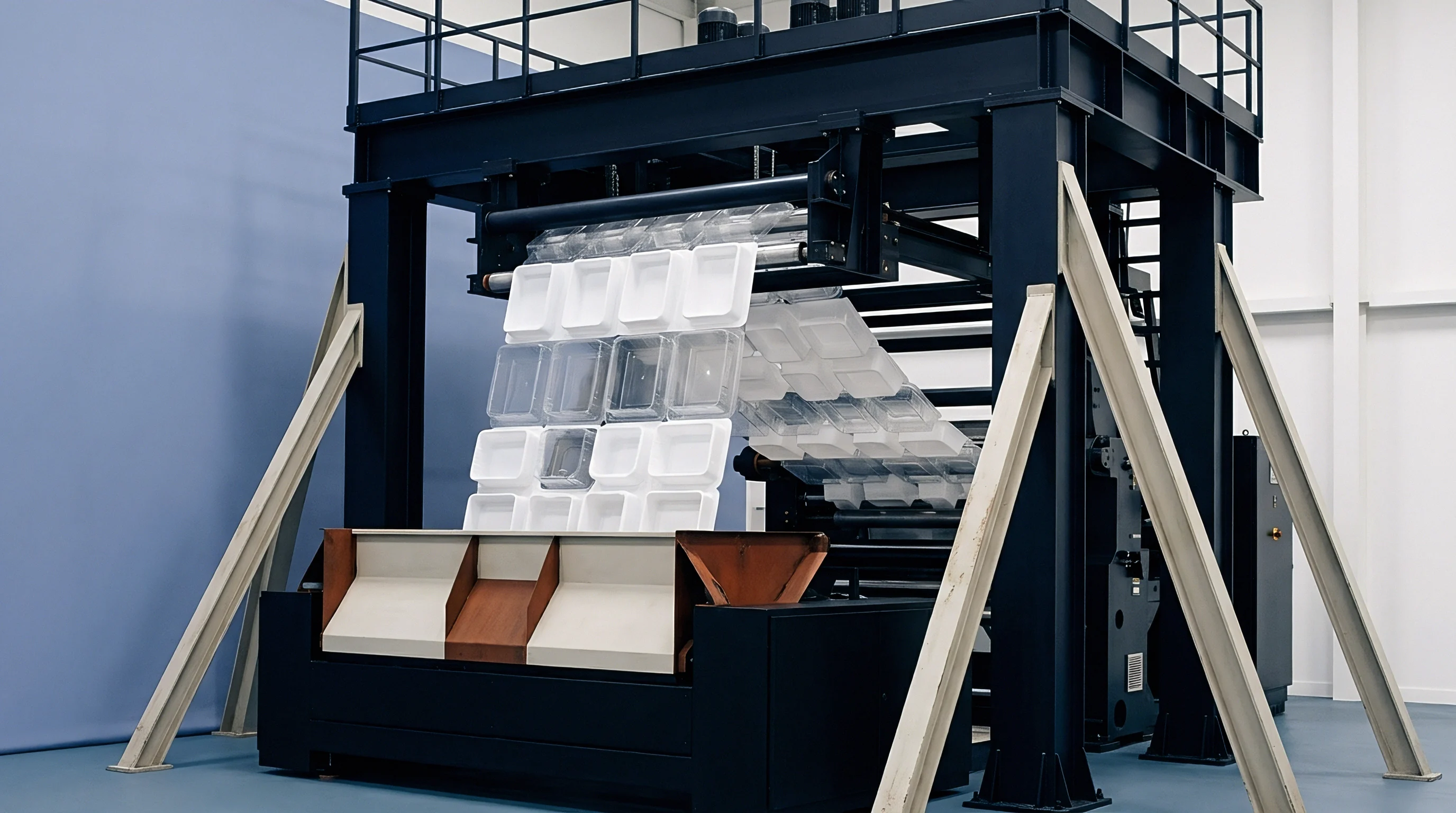
Recovery
Converting physical control of tooling into cash during restructuring relies on clear financial comparison between replacement costs and scrap values. A 32-cavity medical dropper mold costing 185,000 EUR yields under 1,200 EUR in raw steel scrap, meaning leverage comes almost entirely from the customer’s replacement delays and downtime costs. In workout negotiations, financial recovery models contrast the customer’s lead time for new tooling against the unpaid balance.

Financial Valuation and Amortization Mechanics
Evaluating workout returns requires comparative financial modeling across alternative liquidation paths.
| Workout Scenario | Basis of Valuation | Typical Realization Rate | Tooling Release Mechanism |
|---|---|---|---|
| Full Accommodation Workout | Replacement lead time and piece-price amortization | 90% to 100% of unpaid balance | Escrow deposit prior to release |
| Partial Restructuring Sale | Liquidation value of asset bundle | 50% to 75% of unpaid balance | Transferred under debt novation |
| Insolvency Scrap Liquidation | Raw steel and copper electrode scrap weight | 1% to 3% of original build cost | Scrap dealer breakdown |
| Senior Lender Buyout | Super-priority lien settlement for supply resumption | 70% to 90% of verified claim | Wire confirmation prior to release |
Scrap returns are minimal, but physical possession secures statutory standing while high cavity counts drive up customer replacement expenses.
Take a typical restructuring scenario: an automotive tier-one debtor owes 145,000 USD on a 16-cavity P20 bumper bracket mold with a replacement build time of 22 weeks. Running the press under an interim accommodation agreement at 4.20 USD per shot across a 35,000-unit production run generates 147,000 USD in gross revenue. Subtracting 62,000 USD in direct resin, labor, and machine-hour costs leaves an 85,000 USD net amortization applied directly against the outstanding tooling debt.
Custom tooling value rests entirely in production continuity rather than raw material scrap weight.
Securing cash in escrow prior to tool release remains the most reliable way to convert possessory rights into liquid recovery.