Meaning
Fluid resistance within a narrow pore space defines the magnitude of interfacial tension acting against liquid flow. Capillary pressure arises from the imbalance between cohesive forces of the liquid and adhesive forces at the solid wall. This phenomenon governs the entry of resins into complex tooling geometries.
Injection Dynamics
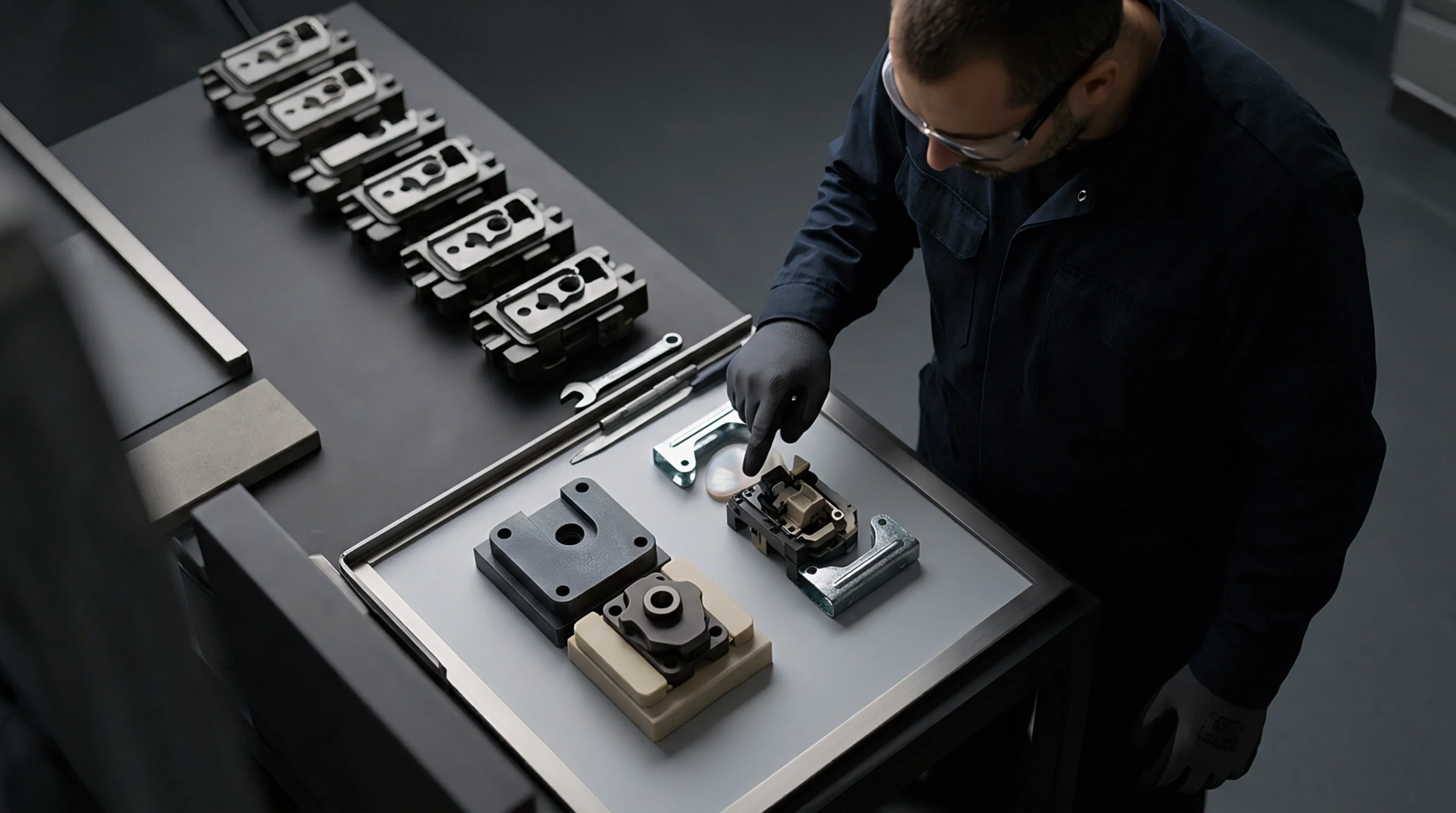
Molten polymer flow through a mould cavity depends on the ability of the material to overcome surface energy barriers at the metal interface. High capillary pressure often indicates a surface tension mismatch that restricts velocity near thin ribs or intricate micro-features. Insufficient injection speed during this phase results in incomplete filling of the part.
Persistent pressure drops lead to short shots or degraded surface finish when the flow front stalls before the cavity reaches capacity. Engineers measure this characteristic to determine the minimum clamping force and gate location required for a stable process.
Resin Economics
Virgin pellet grades maintain specific additive packages designed to modulate surface energy and improve flow efficiency during the melt phase. Regrind materials shift the internal viscosity and surface chemistry, which alters the balance of forces within the tool. Variations in the thermal history of these resins change how the material interacts with the mould surface over long production runs.
A shift in the expected flow performance increases the frequency of machine adjustments needed to maintain part quality. Operators rely on material specifications that account for these surface interactions to keep scrap rates within tolerance.
Operational Variance
Data sheets provide values for melt flow index that assume a standardized environment which rarely mirrors the conditions inside an actual industrial mould. The gap between these laboratory values and the reality of high-speed injection creates a discrepancy that influences cycle times. Small changes in melt temperature modify the surface tension of the polymer and provide a mechanism for controlling flow during difficult fills.
Constant monitoring of these variables prevents the formation of internal voids that weaken the structural integrity of the final moulded component.