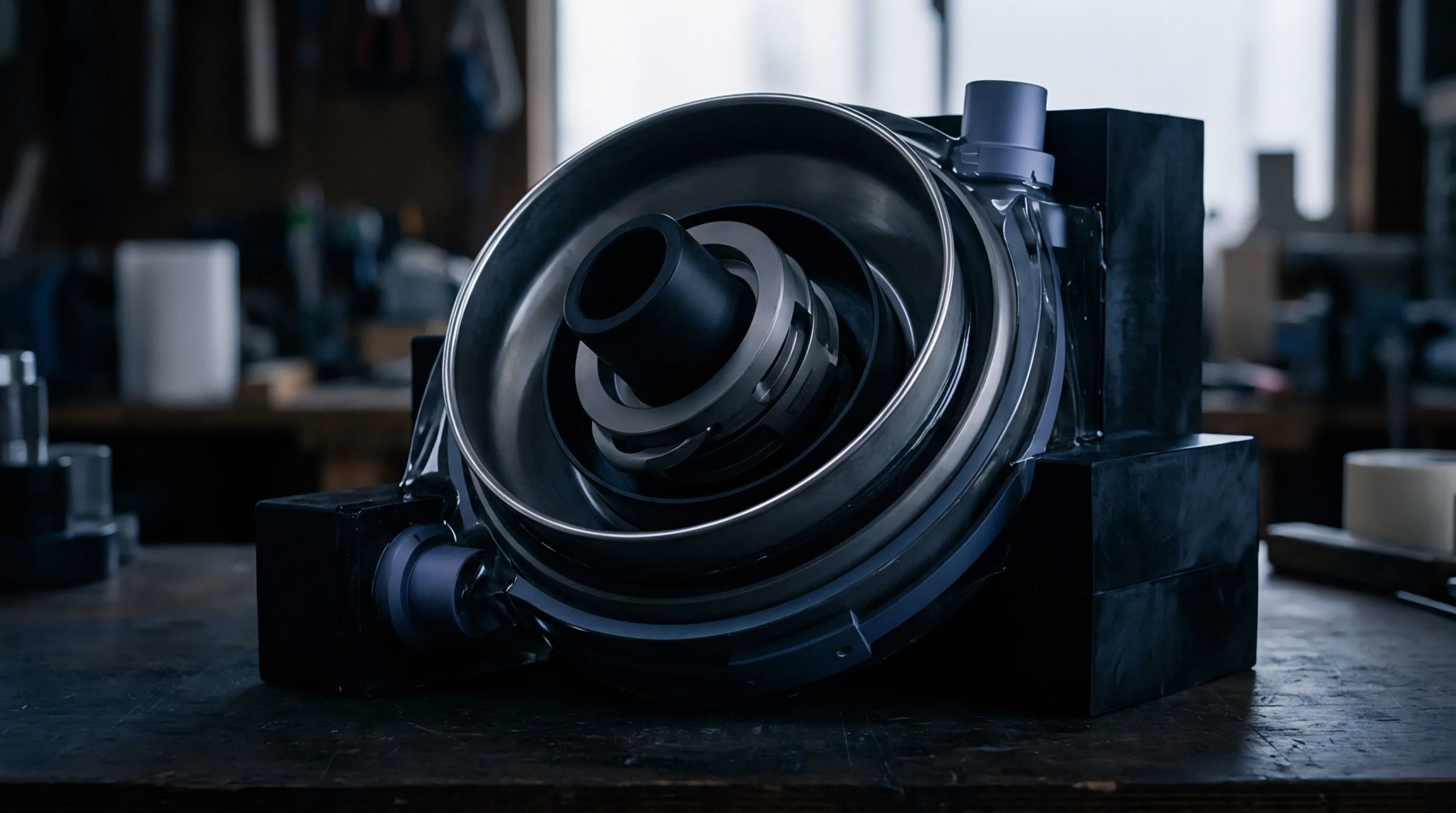
First Shot Samples Polished before the Buyer Ever Sees Them
Doctored T1 samples hide draft and thermal flaws through hand polishing; enforce raw steel T0 audits with continuous cavity telemetry before sign-off.
Programmable measurement logic within a controller provides a real time readout of the duration required to complete a single injection cycle of a plastic part. Automated cycle time calculation functions by tracking the sequence from clamp closure through injection, hold, cooling and finally mold opening. Monitoring systems record the interval between identical machine states to eliminate the human error inherent in manual timing.
The sensor data allows a processor to confirm that the resin residence time remains within the window defined by the material datasheet. By removing the observer effect, the output ensures that variance in production speed points back to hardware performance or thermal instability rather than recording inconsistency.
Stability in resin viscosity relies on consistent heat history inside the barrel. automated cycle time calculation identifies fluctuations in the cooling phase that alter the crystallization rate of semi crystalline polymers. If the duration lengthens, the part density increases and the dimensions shift away from the tool design. Controllers trigger an alarm when the delta between the actual and target values exceeds the threshold set for a specific mold cavity.
High output requirements often push operators to shorten intervals to increase throughput. Shortening the cooling stage traps internal stress in the molded article. This tension results in warping or structural failure when the part exits the machine.
Constant oversight forces the process to remain within the safety limits established during the validation phase for a specific resin grade.
Proper processing conditions require a distinct separation between virgin material behavior and regrind characteristics. Automated cycle time calculation acts as the baseline for assessing how high percentages of reprocessed material alter flow properties. Regrind typically possesses lower viscosity due to chain scission from previous thermal exposure.
The calculation captures the change in filling velocity as the molten resin moves through the gates and runners. When the machine speed reflects these physical changes, the processor adjusts the screw recovery rate to compensate. Molder settings for melt temperature require adjustment if the measurement shows a change in the total throughput per hour.
Datasheet values assume a controlled lab environment with stable thermal input. A factory floor measurement provides the reality check against those theoretical values. Differences appear when the tool geometry restricts flow in ways the laboratory equipment cannot model.
Tooling longevity depends on maintaining a consistent clamp force and motion profile over long runs. Automated cycle time calculation detects the friction buildup in moving components that occurs during prolonged operation. Gradual increases in the duration indicate wear on guide pins or bushings.
Monitoring these periods prevents the damage that occurs when high speed operations collide with misaligned parting lines. Every detected second of drift allows maintenance teams to schedule repair before catastrophic failure halts production. Precise timing data separates predictable mechanical wear from erratic performance caused by electrical noise or hydraulic leaks.
Accurate measurement of the duty cycle constitutes the most reliable method for verifying that a mold performs at the design capacity.
Doctored T1 samples hide draft and thermal flaws through hand polishing; enforce raw steel T0 audits with continuous cavity telemetry before sign-off.
Expertise is a utility, not a secret. sentiention™ publishes its working knowledge as open reference: intelligence layer covering the materials it sources, the markets it enters, and the reference that serves both.