Volatile Organic Compound Extraction Principles for Polyolefin Inspection
Matching sample extraction temperatures to polyolefin thermal properties isolates residual monomers without matrix breakdown for precise chromatographic quantitation.

Desorption
Matrix Diffusion and Volatilization Kinematics
Polymer matrix volatilization relies on the migration of low molecular weight compounds through amorphous polyolefin chains. Polyolefin matrices trap low-boiling hydrocarbons. In semi-crystalline polymers such as high-density polyethylene and isotactic polypropylene, volatile organic compounds reside almost exclusively within the non-crystalline amorphous domain.
The crystalline lamellae act as impenetrable barriers, forcing trapped analytes to navigate tortuous diffusion pathways before reaching the pellet surface. Consequently, volatile release kinetics depend heavily on the glass transition temperature, matrix density, and the specific molecular weight of the diffusing species.
Small molecules like residual alpha-olefin monomers, catalyst solvents, and short-chain oligomers migrate faster than larger antioxidant degradation fragments. The rate of mass transfer through the solid polymer phase follows Fickian diffusion equations during the initial stages of thermal extraction. When a polyolefin sample undergoes heating inside a sealed analytical container, the concentration gradient between the bulk polymer phase and the surrounding gas phase drives outgassing until phase equilibrium forms.
Partition coefficient values govern the final distribution of each chemical compound between the polymer matrix and the gas headspace.
Analytical accuracy demands precise control over the equilibration temperature. Heating a polyolefin resin above its softening point alters diffusional transport by increasing chain mobility. Polyethylene grades with low density soften around 105 degrees Celsius, whereas linear high-density grades maintain crystalline structure up to 135 degrees Celsius.
Exceeding the softening point causes pellet agglomeration, which alters the effective surface area available for vapor transport and creates non-reproducible extraction yields across test replicates.
Equilibrium partitioning of C6 to C12 alkanes in high-density polyethylene achieves stability after ninety minutes of isothermal heating at 120 degrees Celsius in sealed headspace vials.
Chemical structures of volatile species vary based on polymerization chemistry and stabilization packages. Melt temperatures alter diffusion rates. Ziegler-Natta catalyzed polyethylene resins typically release odd- and even-numbered aliphatic hydrocarbons originating from solvent carriers such as hexane, heptane, and mineral spirits.
Metallocene-catalyzed polyolefins display narrower volatile profiles dominated by specific alpha-olefin comonomers including 1-butene, 1-hexene, and 1-octene. Thermal processing also generates secondary volatile compounds through oxidative degradation. Hindered phenol antioxidants, such as degradation fragments from 2,6-di-tert-butyl-4-methylphenol, fragment into volatile alkylated phenols that contribute significantly to resin off-gassing profile analysis.
Whether high-density polyethylene grades containing long-chain branching exhibit altered diffusion kinetics for cyclic siloxanes under dynamic flow remains a subject of active analytical debate.

Chamber
Micro-Scale Emission Cell Parameters
Enclosed extraction vessels isolate outgassing species under controlled temperature, gas flow, and surface area ratios. Standard micro-scale chamber configurations utilize inert interior surfaces, such as electro-polished stainless steel or deactivated quartz glass, to eliminate chemical adsorption during testing. Testing polyolefin pellets or molded test specimens according to ISO 12219-4 mandates exact flow rates of purified sweep gas across the sample bed.
Pellet mass governs total off-gassing. The continuous gas flow shifts the equilibrium state, forcing volatile organic compounds out of the polymer matrix more rapidly than static equilibrium headspace techniques.
Temperature control inside the extraction cell directly influences recovery efficiency for medium-volatility species. Standard test procedures apply cell temperatures ranging from 23 degrees Celsius for ambient indoor air simulations up to 120 degrees Celsius for accelerated material outgassing evaluations. Higher temperatures reduce extraction time but carry the risk of inducing thermal decomposition of sensitive polymer additives.
Sweep gas velocities must balance mass transfer rates against detector sensitivity limitations. Excessive gas flow dilutes analyte concentrations below chromatographic detection limits, while insufficient gas flow allows target compounds to re-adsorb onto chamber walls or neighboring resin pellets.
| Analytical Method | Sample Preparation | Temperature Range (°C) | Target Compound Mass Range | Detection Limit (µg/g) |
|---|---|---|---|---|
| Static Headspace GC-MS | Whole pellets, 2.0 g | 80 to 120 | C4 to C14 Hydrocarbons | 0.5 |
| Micro-Scale Chamber (ISO 12219-4) | Pellet bed, 10.0 g | 23 to 120 | C6 to C22 Volatiles and Semi-Volatiles | 0.1 |
| Direct Thermal Desorption (VDA 278) | Cryo-ground powder, 0.05 g | 90 for VOC / 120 for FOG | C6 to C32 Hydrocarbons and Additives | 0.01 |
| Method conditions assume inert helium sweep gas and deactivated sampling lines to prevent target analyte loss. | ||||
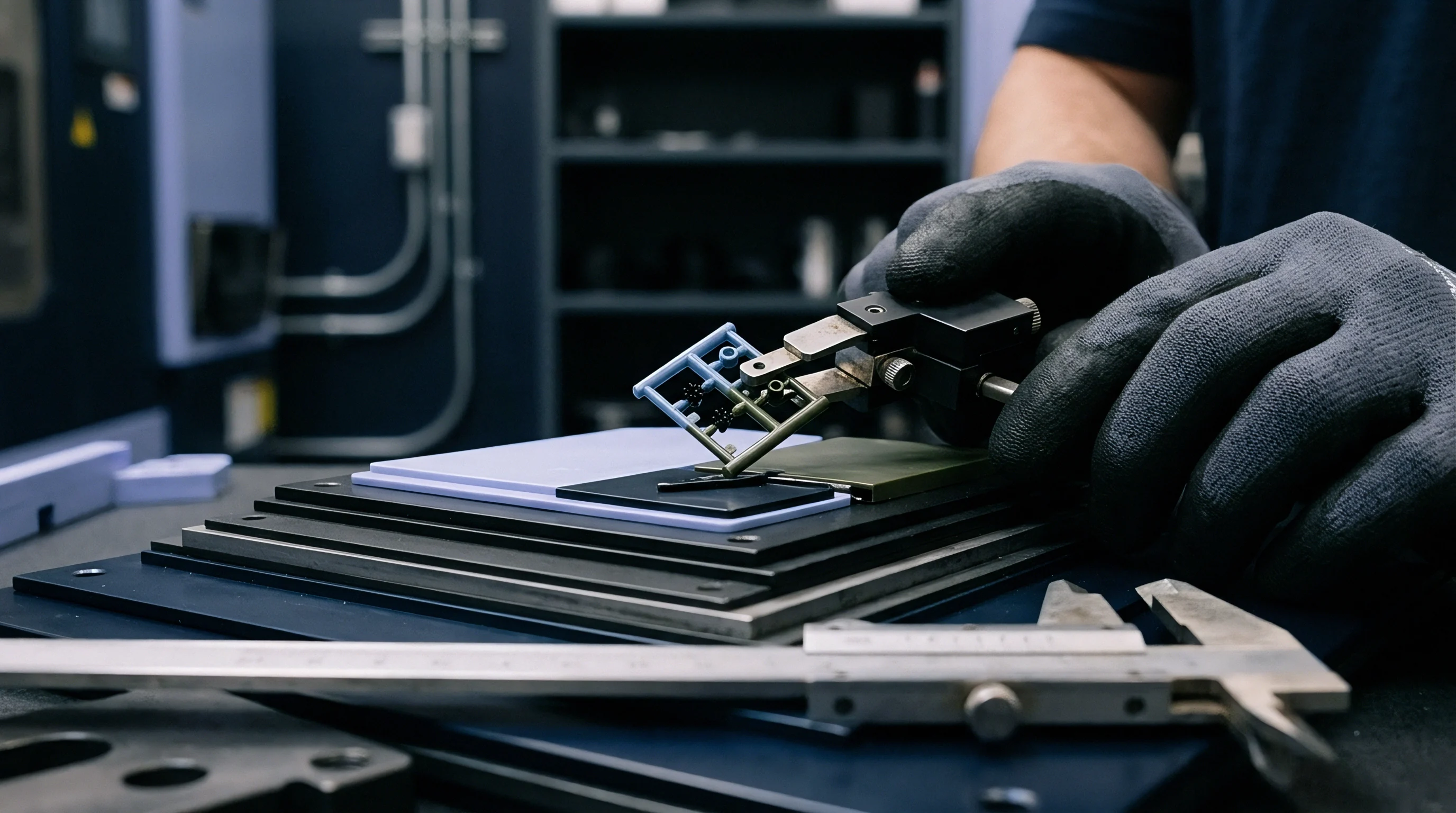
Thermal Desorption versus Headspace Partitioning
Direct thermal desorption techniques bypass matrix diffusion delays by analyzing finely ground polymer particles under elevated thermal stress. Static headspace misses high-boiling waxes. Transferring a small quantity of cryogenically milled polyolefin powder into a quartz thermal desorption tube allows rapid volatilization of volatile organic compounds directly into the carrier gas stream.
Protocol VDA 278 defines two separate thermal desorption stages for automotive interior materials: the volatile organic compound phase measured at 90 degrees Celsius for thirty minutes, followed by the fogging phase measured at 120 degrees Celsius for sixty minutes. The initial stage captures light aliphatic hydrocarbons and processing aids, whereas the secondary stage extracts heavy oligomeric waxes, slip additives like erucamide, and plasticizer residues.
Analytical challenges arise when selecting sampling methods for resin qualification. Static headspace analysis provides quick quality control screening for volatile monomers, but fails to capture polar degradation products effectively. Micro-scale chamber systems yield realistic outgassing rates for finished component risk assessments, though long equilibration times reduce daily sample throughput.
Direct thermal desorption provides high sensitivity and comprehensive compound detection, but sample preparation risks introducing ambient thermal artifacts during cryogenic grinding.
- Additive Thermal Cleavage generating artifact aldehydes during elevated temperature extraction runs.
- Matrix Melting Collapse reducing active surface area when testing low-density polyethylenes above 110 degrees Celsius.
- Sorption on Vessel Walls causing non-polar hydrocarbon loss prior to chromatographic injection.
- Vial Septum Bleed introducing siloxane peaks that mimic polymer processing aids.
Failure to maintain carrier gas velocity above 100 millilitres per minute during dynamic micro-cell extraction leads to analyte re-adsorption on polyolefin pellet surfaces and false negative reporting.
Pellets sampled from the core of a bulk bag generate lower volatile counts than material exposed to surface air movement.

Solvent
Liquid Extraction Techniques for Oligomer Quantitation
Dissolution and swelling methods break polyolefin crystallites to release trapped organic species into a liquid carrier phase. Standard headspace techniques struggle to extract high molecular weight oligomers above C20 due to low vapor pressures. Solvent-based extraction overrides vapor pressure constraints by physically dissolving the polymer or expanding the amorphous matrix.
Dichloromethane dissolves low-density fractions quickly. Selecting the extraction medium depends on polymer composition, cross-linking density, and target analyte polarity.
Reflux extraction using Soxhlet apparatuses represents a benchmark procedure for total extractable matter. Immersing polyolefin powder in boiling n-hexane, toluene, or xylene for six to twenty-four hours completely breaks down crystalline domains. Solvent removal under reduced pressure concentrates the extracted additives and low molecular weight waxes for gravimetric or chromatographic analysis.
However, total dissolution techniques demand large solvent volumes and extended processing times, prompting compounders to adopt accelerated liquid extraction methods.
| Solvent System | Polyolefin Swelling Degree (%) | Extraction Time (min) | Irgafos 168 Recovery (%) | BHT Recovery (%) |
|---|---|---|---|---|
| Dichloromethane (Ambient) | 12 | 120 | 45 | 82 |
| n-Hexane (Reflux, 68°C) | 65 | 360 | 94 | 91 |
| Tetrahydrofuran (Swelling, 60°C) | 88 | 90 | 98 | 76 |
| Dichloromethane (PLE, 100°C, 15 bar) | 100 | 25 | 99 | 98 |

Pressurized Liquid Extraction Protocol Steps
Pressurized liquid extraction utilizes elevated temperatures and high fluid pressures to force solvents into the polyolefin matrix without complete polymer dissolution. Elevating solvent temperature above its standard boiling point enhances mass transfer rates and solubility constants. Maintaining pressures between 10 and 15 MPa keeps the solvent in a liquid state while penetrating micro-voids in the polymer resin.
Technicians follow a strict sequence to operate pressurized liquid extraction cells efficiently.
- Cryogenically mill five grams of polyolefin resin pellets into a fine powder passing through a 500-micrometre mesh screen.
- Load two grams of the prepared powder into a stainless steel extraction vessel packed with inert glass beads.
- Perform pressurized extraction using dichloromethane at 100 degrees Celsius and 15 bar pressure for three cycles of seven minutes.
- Concentrate the pooled liquid extract under a gentle stream of nitrogen gas before gas chromatography injection.
Cryogenic grinding of polyolefin samples prevents local frictional heating from stripping light hydrocarbon fractions before extraction begins.
Microwave-assisted extraction offers an alternative liquid-phase recovery route. Microwave energy selectively heats polar solvent molecules or dielectric absorption additives mixed within non-polar polyolefin slurries. Rapid internal heating creates localized pressure spikes within polymer particles, accelerating additive release into the surrounding liquid phase.
Thermal degradation alters volatile spectra. Careful power modulation remains necessary to avoid localized hot spots that convert phosphite antioxidants into phosphate byproducts during the extraction cycle.
Material suppliers frequently explain elevated volatile readings by claiming that residual hydrocarbon fractions originate from post-extrusion storage atmosphere rather than reactor residue.
Trace

Chromatographic Identification of Off-Odor Compounds
Gas chromatography combined with mass spectrometry resolves volatile fragments down to sub-ppm thresholds. Chromatographic baseline drift masks trace analytes. Polyolefin resins intended for food contact packaging or automotive interior applications undergo rigorous chromatographic screening to identify trace compounds responsible for unpleasant odours or regulatory non-compliance.
Separating complex hydrocarbon mixtures requires high-resolution capillary columns coated with non-polar phenylarylene polymer stationary phases. Temperature programming starting at 40 degrees Celsius and ramping up to 320 degrees Celsius allows clean separation of light alkanes from heavy oxidized fragments.
Sensory failures in polyolefins often stem from ultra-trace degradation products present at parts-per-billion concentrations. Unsaturated aldehydes, such as trans-2-nonenal and octanal, possess human olfactory detection thresholds below one microgram per kilogram. Identifying these trace species relies on mass spectral library matching alongside retention index verification using n-alkane homologous series.
Deconvolution algorithms extract clean mass spectra from co-eluting chromatographic peaks, allowing target identification even when processing aid waxes overlap with degradation markers.
Recycled polyolefin resins exhibit elevated baseline volatile profiles due to accumulated degradation products and absorbed consumer fragrance residues.
Can Headspace Extraction Quantify Oligomeric Migration?
Quantifying oligomeric migration from polyolefin substrates into food simulants or air space demands strict calibration strategies. Linear low-density polyethylene contains branched aliphatic oligomers ranging from C10 to C30. Static headspace extraction captures volatile fractions up to C14 with high accuracy.
Dynamic headspace and thermal desorption methods extend quantitative reach up to C28 oligomers, providing realistic evaluations of potential migrant species. Internal standard additions, using deuterated hydrocarbons such as tetradecane-d30, compensate for matrix suppression and inlet discrimination during high-temperature injections.
Recycled polyolefins introduce severe analytical challenges for volatile quantification. Post-consumer resin lots contain variable organic contamination including limonene from fragrance packaging, fatty acid esters from food residues, and degradation species generated during repeated melt processing cycles. Evaluating a virgin linear low-density polyethylene against a post-consumer recycled high-density polyethylene under VDA 278 parameters demonstrates clear volatile differences.
The virgin resin yields total volatile organic compounds of 35 micrograms per gram, concentrated primarily in C8 to C12 linear alkanes. The post-consumer recycled lot yields total volatile organic compounds of 280 micrograms per gram, carrying oxidized alkenes, branched ketones, and elevated terpenes. Odor thresholds dictate automotive acceptance.
Recycled resins carry variable organic loads.
Establishing accurate calibration curves requires matrix-matched standard additions. Preparing calibration standards by spiking known concentrations of target analytes into volatile-free polyolefin matrix blanks accounts for absorption behavior during heating cycles. External calibration using solvent-based standards without polymer matrix inclusion systematically overestimates volatile release rates due to missing partition resistance.
Precision improves when analysts utilize sealed calibration ampoules containing powdered polyolefin reference material certified for specific outgassing levels.
- Static Headspace GC-MS Target Screening confirming total volatile organic compound concentrations fall below grade thresholds.
- Oxidative Degradation Product Limits restricting specific degradation fragments to protect sensorial properties.
- Sampling Location Certification documenting whether resin samples were drawn from reactor discharge or final package loading.
- Test Method State Definition stating exact thermal conditioning durations and equilibration temperatures.
Inaccurate volatile quantitation results in unpredicted mold deposit buildup, elevated scrap rates, and downstream automotive part rejection during vehicle odor chamber testing.

Clause
Certificate of Analysis Verification Protocols
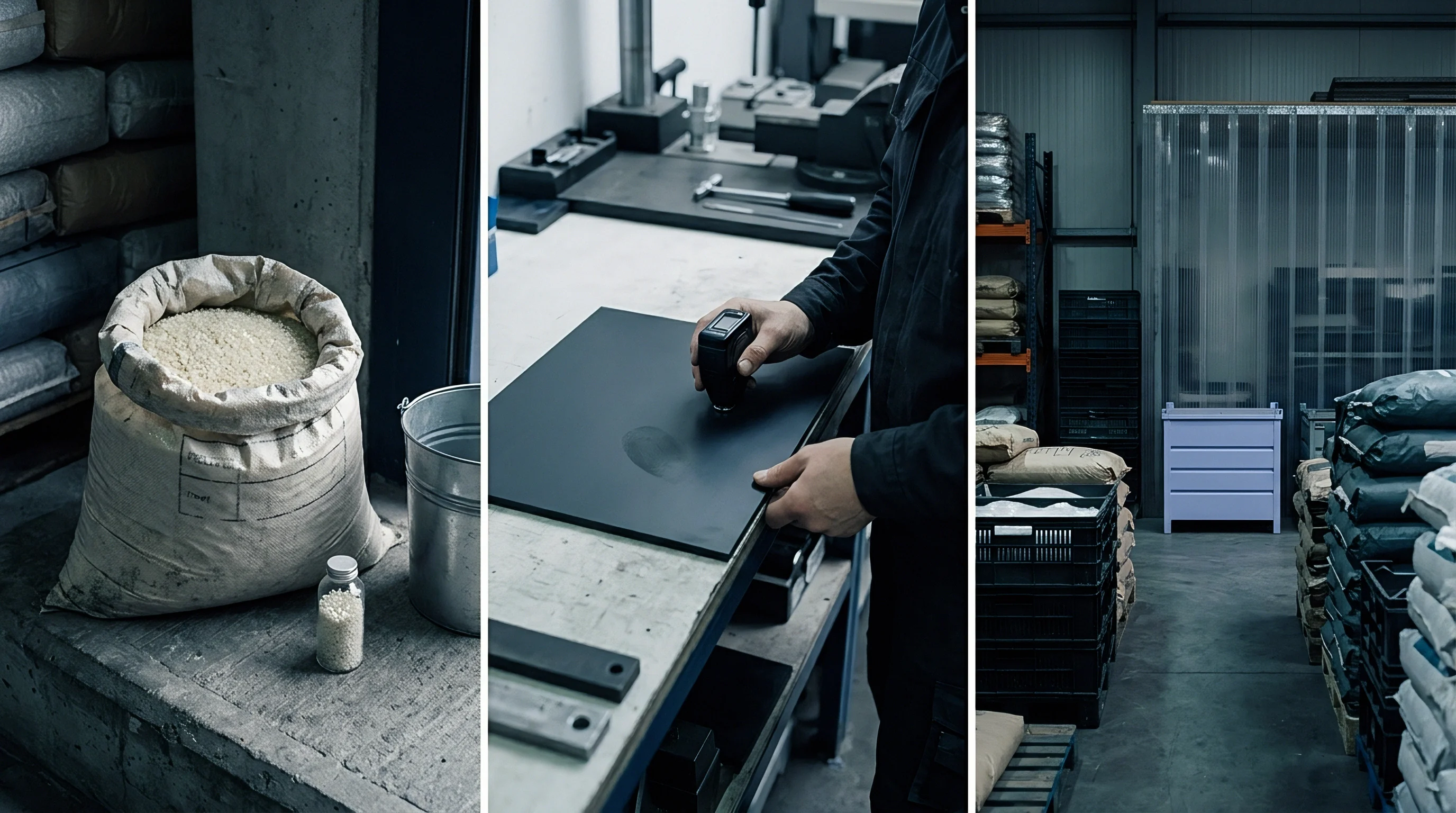
Resin purchase contracts govern the financial and legal remedies available when resin off-gassing exceeds target thresholds. Contract terms assign testing costs. Receiving inspections perform chromatographic verification on incoming lot samples prior to silo loading.
A certified Certificate of Analysis must state the exact test standard, sample conditioning time, temperature, and column stationary phase utilized to generate volatile numbers. Off-spec lots face immediate rejection. Discrepancies between supplier test certificates and receiving audit results frequently stem from unstated differences in static headspace equilibration temperatures.
Commercial contracts specify maximum permissible thresholds for total volatile organic compounds and target odor active species. Automotive material specifications impose total volatile organic compound caps of 100 micrograms per gram alongside fogging caps of 250 micrograms per gram measured under VDA 278. Receiving audits verify supplier certificates.
Food contact film specifications mandate maximum residual solvent limits below 5 milligrams per square metre of film surface under EN 13130. Exceeding contractual limits triggers formal non-conformance procedures, holding incoming material in quarantine while secondary referee laboratories perform baseline verification.
| Resin Grade Application | Dominant Volatile Species | Maximum Permissible VOC Limit (mg/kg) | Standard Test Method | Financial Rejection Threshold |
|---|---|---|---|---|
| Automotive Interior PP Copolymer | C6 to C20 Alkanes, BHT Fragments | 100.0 | VDA 278 | Exceeding 100 µg/g VOC or 250 µg/g FOG |
| Food Contact LLDPE Blow Film | Hexane, Isobutane Reactor Solvents | 5.0 | ASTM D4526 | Total Residual Solvents > 5.0 mg/kg |
| Medical Packaging HDPE Homopolymer | Alpha-Olefin Monomers, Cycloalkanes | 2.0 | ISO 12219-4 | Any Single Unknown Peak > 0.5 mg/kg |
| Recycled HDPE Pipe Compound | Limonene, Terpenes, Oxidized Alcohols | 500.0 | ISO 11890-2 | Total Volatiles Exceeding 500 mg/kg |
Commercial Penalties for Off-Gas Non-Compliance
Landed cost calculations must incorporate quality verification failure risks. Converting raw resin into blown film or injection-molded components locks in material investments; processing off-spec high-volatile resin generates machine downtime, mold surface plating, and toxic volatile emissions on the production floor. Financial recovery clauses in purchasing agreements define debits for cleaning fouled mold cavities, purging contaminated extrusion barrels, and disposing of non-compliant finished stock.
Compounders structure resin contracts to enforce price adjustments or full lot re-consignment when volatile organic compound counts deviate by more than fifteen percent from agreed nominal grades.
Risk mitigation strategies require establishing clear testing protocols at the purchase order level. Specifications should mandate lot-specific static headspace GC-MS reporting rather than generic typical values on datasheets. Standardized sampling plans require taking core samples from five separate bags per railcar or bulk lot to account for volatile stratification during transit.
Documenting exact baseline outgassing values protects buyers when negotiating warranty claims for odor or outgassing failures discovered during downstream assembly.
Contractual inclusion of ISO 12219-4 micro-chamber emission limits as a formal receiving threshold transfers freight and re-consignment costs back to the resin producer whenever lot sampling exceeds fifty micrograms per gram of total carbon.