Bio Carbon Testing Methods for Renewable Resin Feedstocks
Radiocarbon testing via ASTM D6866 Method B AMS provides accurate bio carbon quantification, overriding mass balance paperwork during receiving inspections.


Isotope
Determining the bio-based carbon content of a polymer feedstock relies on the physical decay of carbon-14, a unstable radiocarbon radionuclide with a half-life of 5,730 years. Cosmic rays continuously generate carbon-14 in the upper atmosphere, where it oxidizes into carbon dioxide and enters the living biosphere through photosynthesis. Living biomass maintains an equilibrium concentration of approximately 1.2 x 10⁻¹² carbon-14 atoms per carbon-12 atom.
Fossil feedstocks, derived from organic matter buried over tens of millions of years, contain zero detectable carbon-14 because the radionuclide has completely decayed. Measuring the specific activity or atom ratio of carbon-14 in a resin pellet provides an absolute distinction between recent biogenic carbon and fossil-derived carbon.
Analytical laboratories standardize this measurement using standardized protocols established in ASTM D6866 and ISO 16620-2. Results arrive expressed as percent Modern Carbon, abbreviated as pMC. A value of 100 pMC originally represented the radiocarbon activity of background atmospheric carbon dioxide in the year 1950, defined by the NIST SRM 4990C oxalic acid reference standard.
Atmospheric nuclear weapons testing in the mid-twentieth century spiked global carbon-14 levels, which have since decayed back toward pre-testing baselines. Standardizing bodies publish annual atmospheric correction factors, typically between 1.00 and 1.02, to convert raw measured pMC figures into true bio-based carbon percentages. Multiplying the measured pMC by the current atmospheric adjustment factor yields the actual biogenic carbon content relative to total organic carbon in the sample.

Radioactivity Decay Principles in Carbon Dating
Analytical facilities employ two distinct instrumentation pathways to measure radiocarbon fractions in resin matrices. Liquid Scintillation Counting measures the beta decay particles emitted as carbon-14 reverts to nitrogen-14. This process requires combusting several grams of the polymer sample inside a sealed oxygen bomb, trapping the resulting carbon dioxide gas in an amine absorber solution, and blending it with a liquid scintillant solvent.
Scintillation detectors record the light flashes emitted when beta particles strike solvent molecules over a counting duration that often spans 24 to 48 hours. Direct gas counting demands larger target volumes.
ASTM D6866 Method B requires an accelerator voltage above 1.5 megavolts to isolate carbon-14 ions from interfering isobaric nitrogen-14 molecules at a precision better than 0.3 percent modern carbon.
Accelerated Mass Spectrometry bypasses radioactive decay counting altogether by directly enumerating individual carbon isotopes based on atomic mass. The laboratory combusts a small sample, typically 1 to 5 milligrams of clean polymer, converts the isolated carbon dioxide into solid graphite through catalytic reduction over iron powder, and loads the graphite target into a cesium ion sputter source. Negative carbon ions extracted from the source enter a particle accelerator operating at high voltage.
Mass spectrometers separate carbon-12, carbon-13, and carbon-14 ions based on mass-to-charge ratios, counting individual ions in solid-state detectors. AMS measuring time runs under twenty minutes per sample.
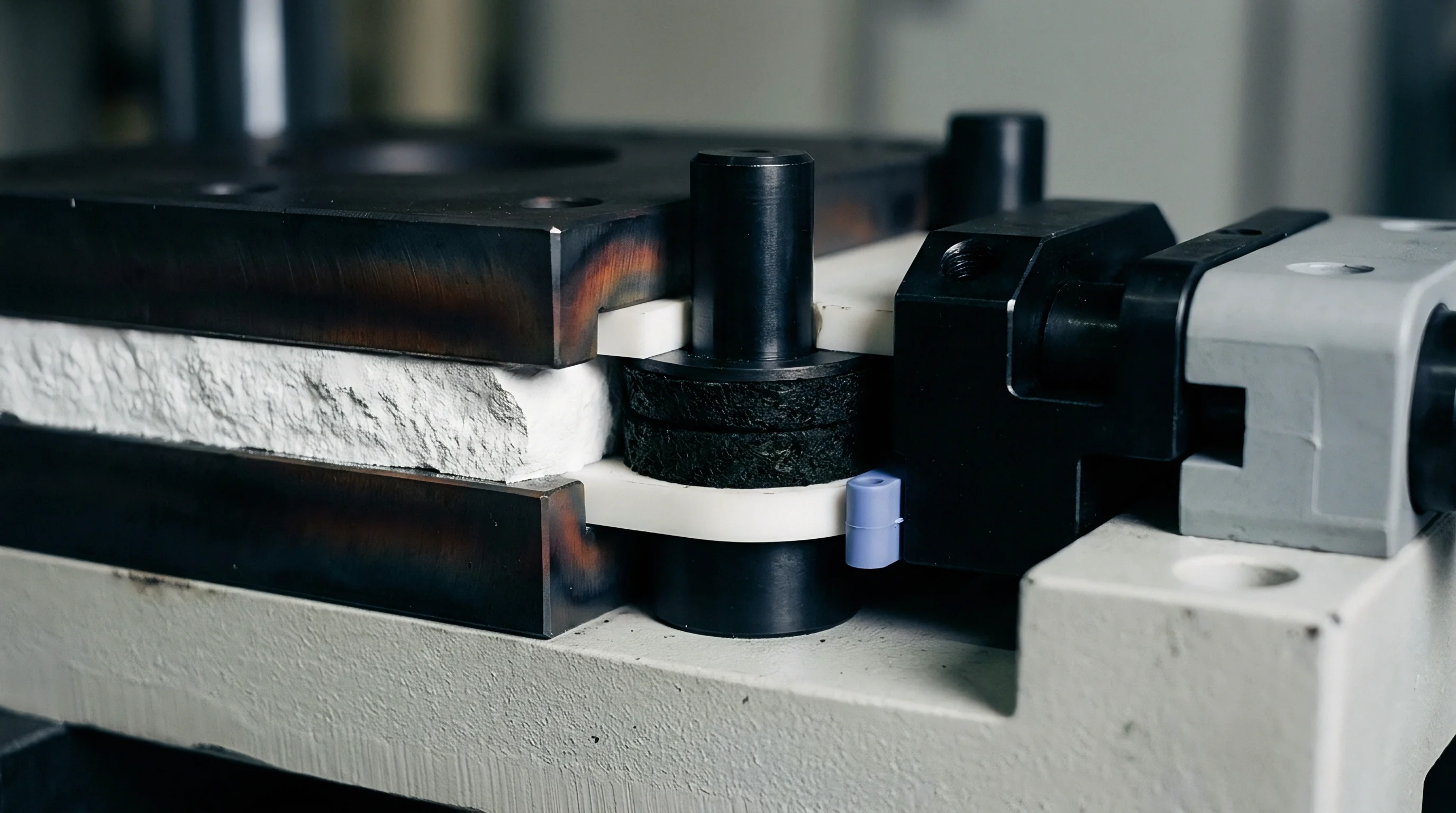
Accelerated Mass Spectrometry versus Liquid Scintillation
Choosing between AMS and LSC involves balancing precision, turn-around speed, sample mass, and test costs. AMS delivers higher analytical sensitivity, requiring minute sample quantities and delivering relative measurement uncertainties under 0.5 percent. This precision makes AMS the reference method for verifying bio-polyethylene, bio-polypropylene, polylactic acid, and polyhydroxyalkanoates.
Liquid scintillation counting remains lower in direct laboratory fees but requires much larger sample masses and incurs higher statistical error margins, especially when analyzing feedstocks with low biogenic carbon fractions.
| Standard Designation | Detection Technology | Minimum Sample Mass | Typical Testing Duration | Analytical Precision |
|---|---|---|---|---|
| ASTM D6866-22 Method B | Accelerator Mass Spectrometry | 1 to 5 mg | 3 to 5 Business Days | ± 0.30 pMC |
| ASTM D6866-22 Method C | Liquid Scintillation Counting | 2 to 10 g | 7 to 10 Business Days | ± 2.00 pMC |
| ISO 16620-2 Method B | Accelerator Mass Spectrometry | 1 to 5 mg | 3 to 5 Business Days | ± 0.50 pMC |
| EN 16640:2017 | AMS or LSC Option | 1 mg (AMS) / 5 g (LSC) | 5 to 10 Business Days | ± 1.00 pMC |
When an engineer relies solely on Liquid Scintillation Counting for low-concentration biogenic blends, the widened measurement uncertainty band can cause a compliant 10 percent bio-based resin lot to fail incoming receiving limits and trigger an unwarranted commercial dispute.

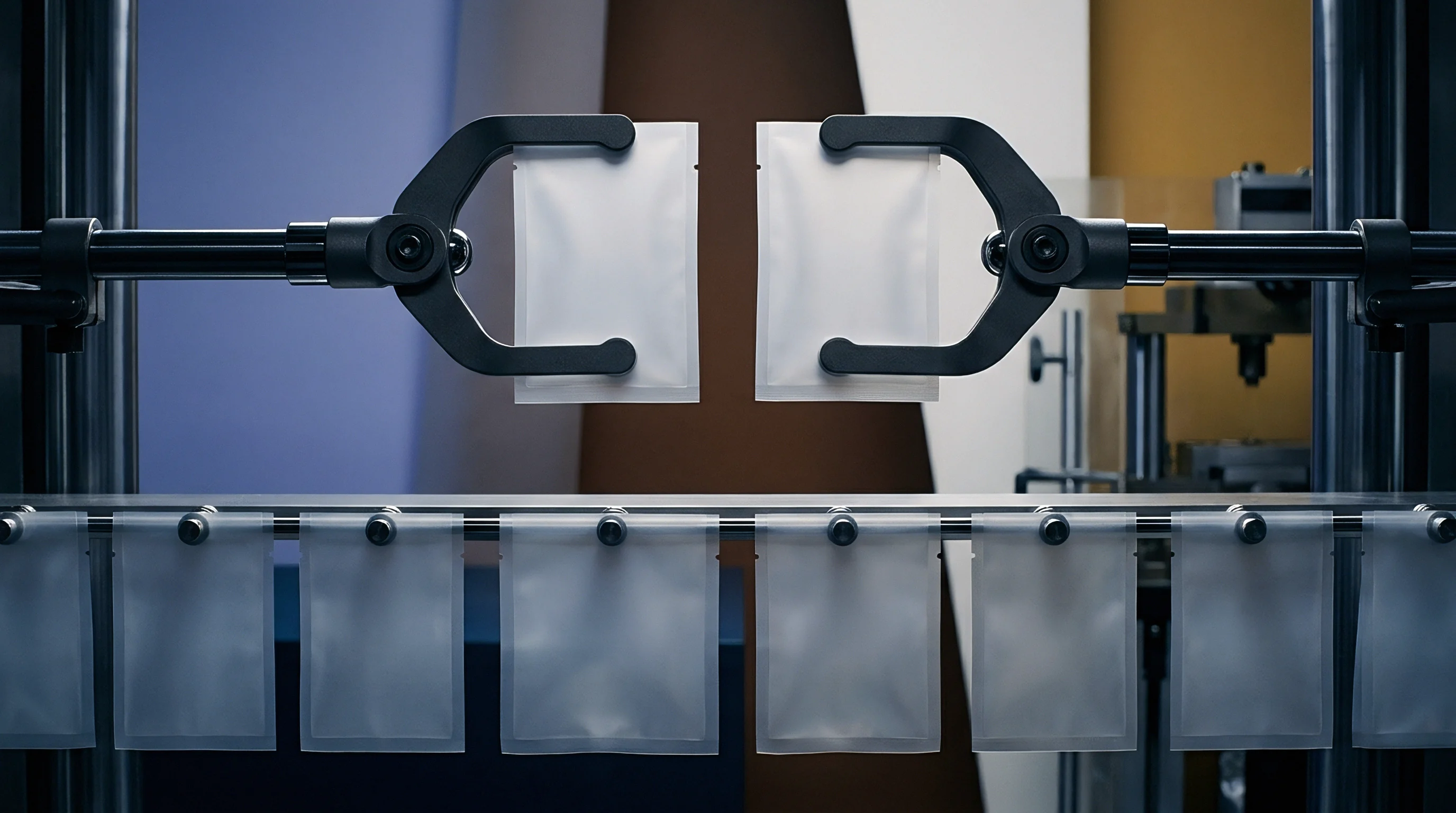
Interference
Polymer compounds are rarely pure resins; they contain inorganic fillers, flame retardants, thermal stabilizers, pigments, plasticizers, and process aids that complicate radiocarbon analysis. Standard test methods measure the ratio of biogenic carbon to total organic carbon or total carbon. Misinterpreting these reference baselines generates conflicting reports from different testing facilities examining the same compound.
Acid digestion removes mineral carbonates before combustion.
Inorganic fillers like calcium carbonate, talc, and barium sulfate introduce non-biogenic inorganic carbon into the compound matrix. Acid pretreatment with dilute hydrochloric acid decomposes carbonates, liberating inorganic carbon as gaseous carbon dioxide prior to thermal oxidation. Skipping acid digestion causes mineral carbon to combust along with the organic polymer phase, artificially inflating total carbon mass while dropping the calculated bio-carbon fraction.
Flame retardants containing aromatic bromines or phosphorus compounds alter combustion kinetics, leaving unburned carbonaceous residues in quartz tubes if oxygen flow rates remain low.
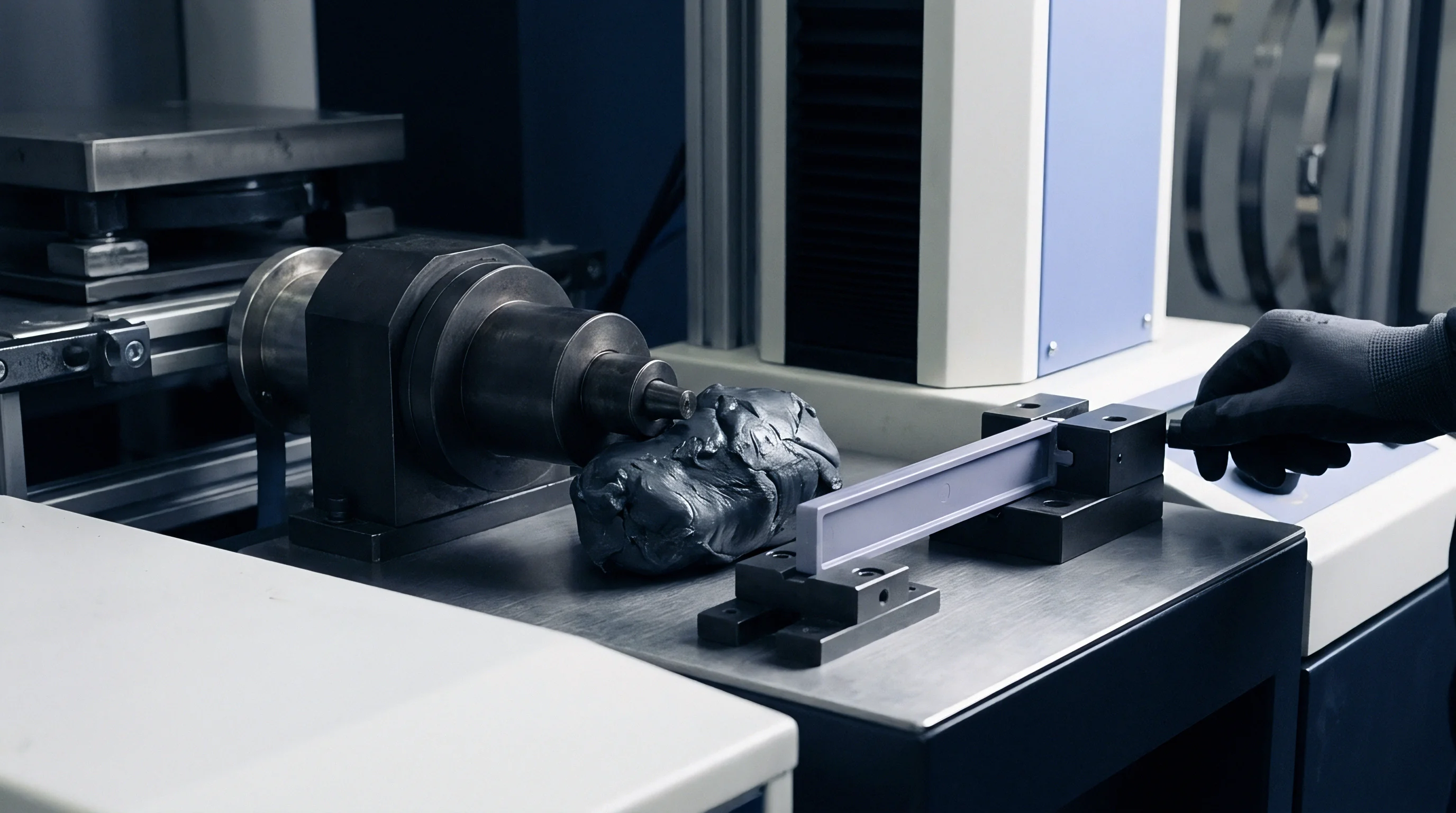
Carbonate Mineral Removal and Acid Digestions
Analytical chemists perform targeted chemical extractions when evaluating filled polyamides, polycarbonates, or polyolefins. The technician dissolves the polymer matrix in a suitable solvent, such as hot xylene for polyolefins or formic acid for polyamide 66, centrifuging out insoluble mineral phases before precipitation. Evaporating the solvent isolates the pure polymer fraction for carbon-14 quantification.
Carbonate residue skews the measured ratio down.
Plasticizers present another common analytical hurdle, particularly in flexible polyvinyl chloride formulations. Epoxidized soybean oil acts as a biogenic plasticizer within a fossil-derived PVC resin matrix. Testing the composite pellet yields a partial bio-carbon signal reflecting the plasticizer percentage rather than the polymer backbone.
Extracting the plasticizer via Soxhlet apparatus with diethyl ether separates additive carbon from polymer backbone carbon, allowing independent radiocarbon evaluation of both components.
Contractual specifications referencing ASTM D6866 must explicitly state whether the guaranteed biogenic percentage applies to total organic carbon or to total resin compound mass including inorganic fillers.

How Do Recycled Fractions Mask Biogenic Content?
Integrating post-consumer recycled polymer fractions into renewable resin feedstocks creates complex isotope blending patterns. Recycled content introduces fossil carbon into bio-resins. Post-consumer polyolefins derived from municipal waste streams contain variable ratios of legacy fossil polymers, unknown pigment loads, and mixed additives.
A compounder formulating a target 30 percent bio-based polypropylene using a blend of bio-naphtha polypropylene, fossil virgin resin, and mechanical regrind faces volatile radiocarbon signatures across manufacturing lots.
- Unextracted Mineral Carbonates inflate total carbon baseline mass during furnace combustion, systematically depressing the reported biogenic percentage.
- Migratory Phthalate Plasticizers from recycled streams introduce unaccounted fossil carbon fractions into bio-based matrix evaluations.
- Aromatic Carbon Black masterbatch carriers introduce dead fossil carbon that resists acid wash and skews total organic carbon denominator calculations.
- Residual Solvent Residues trapped in porous polymer flake introduce external volatile organic carbon signals during automated combustion sweeps.
The compounder blamed the volatile carbon-14 test drops on post-consumer regrind contamination in the municipal feedstock stream, claiming the baseline polymer synthesis met full biogenic allocation rules.
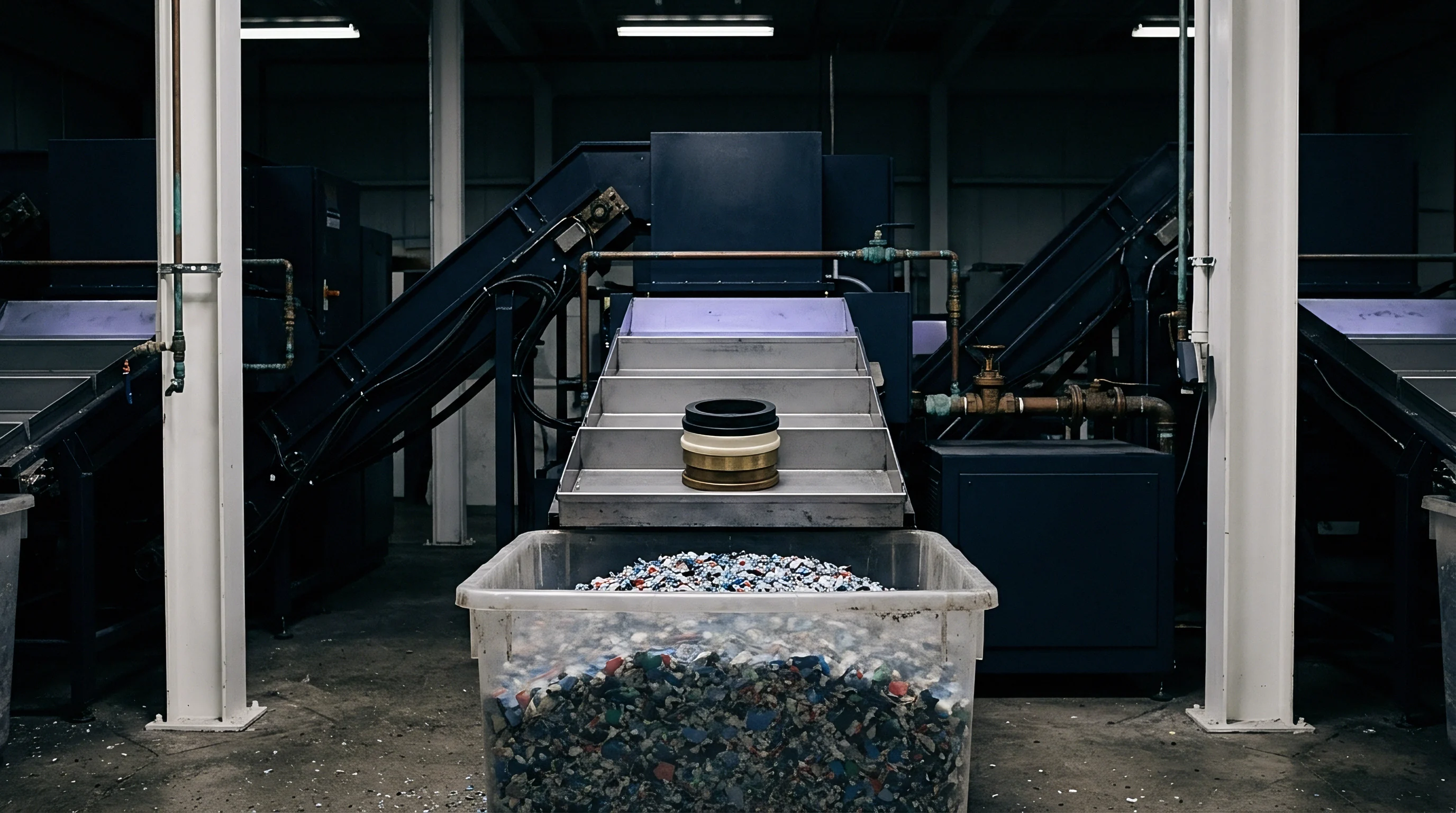

Dossier
Commercial renewable resins frequently utilize mass balance attribution schemes certified under voluntary standards such as ISCC PLUS or REDcert2. Mass balance models allow chemical producers to co-feed renewable bio-naphtha, tall oil, or pyrolysis oil alongside fossil crude into existing steam crackers. The producer assigns biogenic credits to specific output product streams using precise mass accounting rules, even though physical molecules inside a specific shipping container may contain zero biogenic carbon atoms.
This structural decoupling between chain-of-custody documentation and physical chemistry creates compliance risks for brand owners making environmental marketing claims. Physical testing cannot detect credit balance transfers. An analytical laboratory performing carbon-14 testing on a mass-balance resin lot certified as 50 percent bio-attributed will report zero percent bio-carbon content if the physical container holds fossil-derived molecules.
Mass balance relies on credit bookkeeping.
| Feedstock Attribution Model | Supply Chain Documentation | Physical 14C Analytical Result | Customs and Regulatory Status |
|---|---|---|---|
| Direct Segregated Bio-Polymer | Batch Production Record | Matches Claim (100% Bio) | Physical Verification Confirmed |
| Mass Balance Co-Fed Cracker | ISCC PLUS Sustainability Declaration | Variable (0% to 100% Bio) | Paperwork Credit Only |
| Physical Blend (Virgin + Bio) | Certificate of Analysis with Lot Ratio | Matches Physical Blend Ratio | Physical Verification Confirmed |
| Chemical Recycling Pyrolysis Oil | Mass Balance Credit Allocation | Usually Undetectable / Fossil Signal | Paperwork Credit Only |

Mass Balance Attribution Principles and Bookkeeping
Mass balance bookkeeping rules permit producers to concentrate biogenic credits onto specific premium resin grades while selling co-products as standard fossil items. Auditors review chemical plant mass yields, energy consumption factors, and inventory balance ledgers every twelve months to maintain certification validity. Standard credit allocations assign biogenic status arbitrarily.
Physical radiocarbon verification supersedes documentary mass balance credit declarations when verifying compliance with bio-content taxation laws.
Discrepancies arise when customs authorities or consumer protection agencies demand empirical analytical evidence rather than accounting declarations to clear import shipments or approve labeling schemes. Several European jurisdictions require minimum physical biogenic content verified per ISO 16620-2 for packaging tax exemptions, rendering documentary credit transfers legally insufficient.

Audit Trails for Chemical Recycling Feedstocks
Chemical recycling technologies converting plastic waste into pyrolysis oil blend renewable bio-polymers with fossil plastic waste. Processing this mixed oil through naphtha crackers yields monomers carrying ambiguous isotopic heritage. Establishing a secure verification dossier requires tracking incoming waste feedstocks, mass transfer conversion losses, yield factors, and final credit assignments across every processing unit.
Per ISCC PLUS System Document 203 Section 4.2, mass balance credit transfers must match physical stoichiometric yield factors of the cracker complex, prohibiting credit transfers across non-equivalent chemical conversion units.

Silo
Receiving inspection procedures at compounding plants must capture representative samples before resin enters storage bins. Moisture in pellets alters total sample weight. Cross-contamination inside pneumatic conveying pipes, unpurged diverter valves, or dusty bag-dump stations can introduce fossil dust into clean biogenic shipments, corrupting downstream carbon-14 analytical samples.
Sample theft or mislabeling invalidates the chain.
- Inspect shipping container security seals and record unique seal identifiers against freight documentation before discharge.
- Sample pellets from top, middle, and bottom sampling ports of gaylord boxes using a stainless steel double-tube thief probe.
- Combine individual probe draws into a clean glass container, avoiding plastic bags that leach plasticizers into the sample mass.
- Purge pneumatic lines for ten minutes before collecting sample draws from hopper cars or bulk transport trucks.
- Split bulk aggregate samples down to 50-gram analytical sub-samples using a rotary riffle sample divider.
- Seal sub-samples in air-tight aluminum foil pouches labeled with lot number, date, receiving operator ID, and silo destination.

Standard Sampling Plans for Incoming Freight
Incoming quality control protocols govern the frequency and intensity of lot sampling based on statistical risk. ISO 2859-1 normal inspection plans dictate the number of containers sampled per shipment batch size. Receiving teams take primary samples across multiple packaging units, reducing composite draws to analytical test masses through mechanical riffle splitting to prevent size-segregation bias.
Storing reference samples demands controlled environments protected from ambient organic fumes, solvent vapors, and temperature extremes. Sample bags made of standard polyethylene can exchange volatile additives with contained bio-pellets over extended storage durations, altering the volatile carbon profile prior to laboratory combustion analysis.
Aluminum-laminated barrier packaging prevents volatile organic cross-contamination between stored bio-resin inspection samples and environmental solvents.
Sample Combustion Protocols and Gas Capture
Preparing polymer pellets for radiocarbon testing begins with mechanical cryo-grinding under liquid nitrogen to create a homogenous powder with particle diameters below 250 micrometers. Fine powders ensure rapid, complete combustion inside quartz tube furnaces operating under pure oxygen streams at temperatures between 850 and 1,000 degrees Celsius.
Automated elemental analyzers scrub halogens, sulfur dioxide, and nitrogen oxides from the combustion gas stream using copper turnings and silver wool traps. Purified carbon dioxide freezes out in cryogenic liquid nitrogen traps or absorbs onto molecular sieve columns before quantitative transfer to graphitization reactors or liquid scintillation absorbers.
A clean probe draw taken from sealed freight yields representative analytical evidence, while a sample scooped from an open box reflects floor dust and ambient contamination.

Tolerance
Commercial contracts specifying bio-based resin feedstocks establish precise target bio-carbon fractions accompanied by permitted analytical tolerance bands. Laboratory uncertainty sets the financial dispute margin. Standard sales contracts stipulate that declared biogenic values must meet minimum percentages when tested according to ASTM D6866 Method B, accounting for both standard laboratory measurement uncertainty and manufacturing compounding variations.
Off-spec shipments trigger automatic invoice adjustments.
Consider a commercial transaction involving a 50-tonne shipment of bio-attributed polyethylene specified at 30.0 percent biogenic carbon content, priced at 2,400 Euros per tonne. The sales agreement defines an absolute tolerance gate of plus or minus 2.5 percent biogenic carbon content verified by AMS testing. If receiving inspection tests return a mean value of 24.2 percent biogenic carbon, the delivery fails the contractual specification by 3.3 percent after accounting for the 2.5 percent expanded margin.
Contractual Margins and Measurement Uncertainty
Calculating financial adjustments for off-spec shipments involves applying predefined contractual penalty matrices tied to biogenic shortfall percentages. Commercial contracts specify absolute tolerance bands.
| Parameter | Contract Specification | Delivered Test Result | Variance / Adjustment |
|---|---|---|---|
| Shipment Mass | 50.0 Metric Tonnes | 50.0 Metric Tonnes | 0.0 Tonnes |
| Contract Price per Tonne | € 2,400.00 | € 2,400.00 | Baseline Rate |
| Guaranteed Biogenic Content | 30.0 % Bio-Carbon | 24.2 % Bio-Carbon | – 5.8 % Absolute Shortfall |
| Contractual Tolerance Band | ± 2.5 % Bio-Carbon | Exceeded | – 3.3 % Billable Deficit |
| Penalty Rate per % Deficit | € 40.00 / Tonne / % | € 40.00 / Tonne / % | Contractual Rate |
| Calculated Credit Adjustment | € 0.00 | € 6,600.00 Credit | Final Invoice Deduction |
Landed Cost Adjustments and Penalty Formulas
Resolving invoice disputes requires structured analytical verification pathways that allow both buyer and seller to re-test retained referee samples at independent third-party laboratories.
- Documentary Chain Verification compares shipping records, batch numbers, and seal records against certified factory testing dossiers.
- Referee Sample Retrieval accesses sealed aluminum barrier pouches taken during initial freight receiving under joint buyer-seller oversight.
- Dual Laboratory Inter-Testing submits blind duplicate samples to two independent ISO 17025 accredited accelerator mass spectrometry facilities.
- Financial Invoice Settlement applies re-calculated credit adjustments or authorizes complete shipment rejection based on averaged referee data.
How will international regulatory authorities harmonize mass balance credit attribution accounting with empirical radiocarbon bench evidence as global packaging mandates move from voluntary claims to strict tax enforcement regimes?