Recycled Plastic Food Contact Migration Verification Protocols
Recycled plastic food contact verification demands challenge testing, simulant migration screening, and traceable declarations to ensure regulatory compliance.
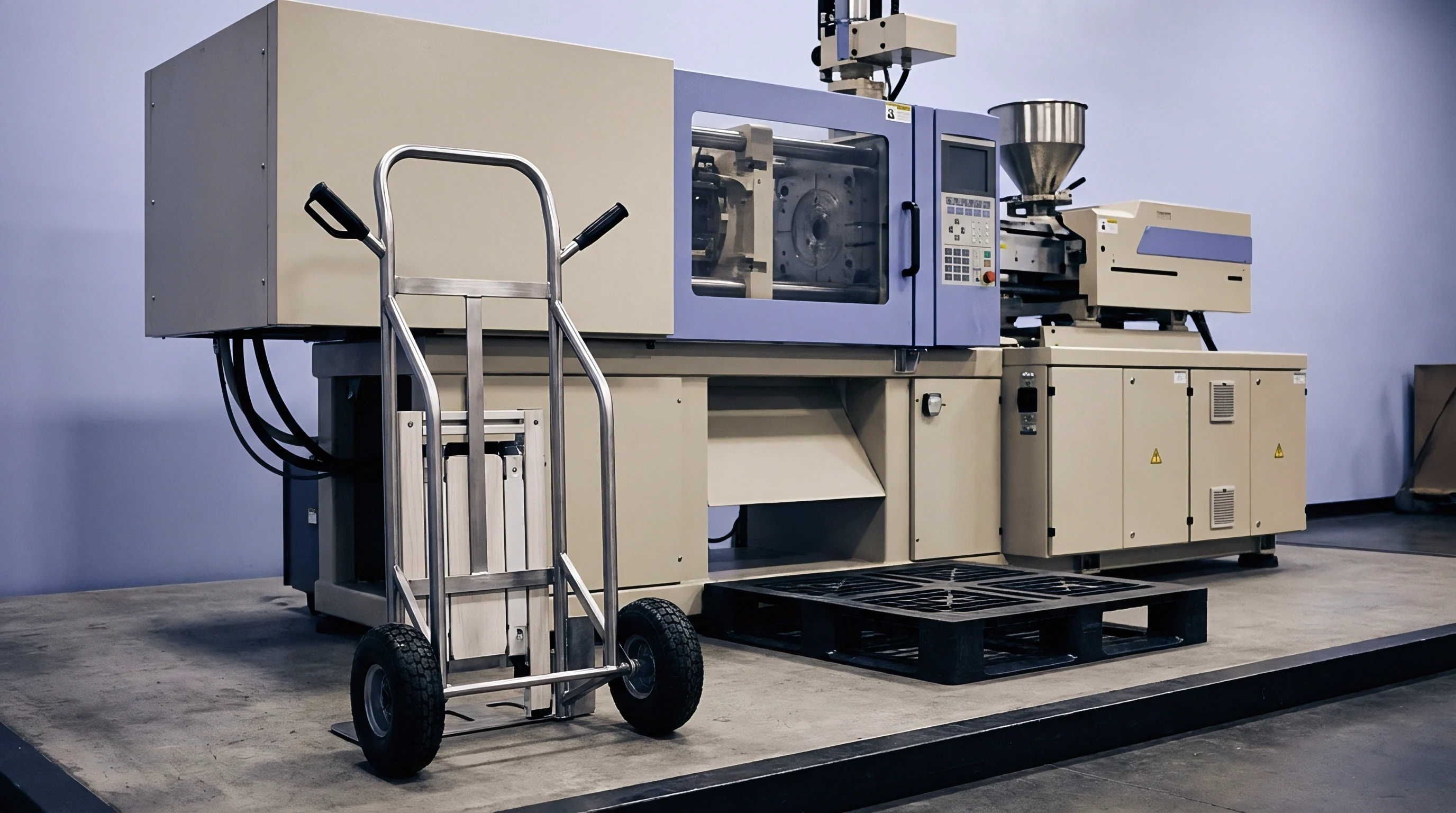

Melt
Thermal processing during mechanical reclamation alters the structural stability of post-consumer polymers. High temperatures break polymer chains. Reclaiming polyethylene terephthalate and high-density polyethylene subjects the material to multiple thermal cycles, driving polymer chain scission, oxidation, and the thermal breakdown of residual additives.
These thermal degradation pathways generate low-molecular-weight volatile species, including short-chain aldehydes, carboxylic acids, and aromatic hydrocarbon fragments. These compounds remain trapped within the amorphous polymer matrix upon cooling.
Decontamination technology relies on thermal and physical extraction mechanisms inside vacuum-assisted extrusion equipment or solid-state polymerization reactors. Processors expose shredded polymer flakes to elevated temperatures under reduced pressure to strip volatile impurities. Operating vacuum degassing units at pressures below ten pascals and temperatures reaching two hundred sixty degrees Celsius forces volatile organic compounds out of the molten resin.
Polymer degradation generates fresh volatile contaminants if melt residence times exceed operational limits.
Polyethylene terephthalate flakes treated under ten pascals of vacuum at two hundred twenty degrees Celsius for six hours reduce residual toluene concentration below three milligrams per kilogram.
Secondary recycling streams carry post-consumer contaminants, such as miscollected non-food containers, household chemicals, and printing ink residues. The thermal history of the material determines how deeply these contaminants diffuse into the polymer bulk. Surface washing fails to eliminate species that have dissolved into the polymer matrix during prior consumer use cycles.
Deep decontamination requires continuous heat input and surface renewal in the fluid state to maximize mass transfer rates across the phase boundary.
| Process Mechanism | Operating Temperature | System Pressure | Residence Time | Removal Efficiency |
|---|---|---|---|---|
| Vacuum Extrusion Degassing | 260 °C to 280 °C | 0.5 kPa to 2.0 kPa | 45 to 90 seconds | 85.0% to 92.5% |
| Solid-State Polymerization | 200 °C to 230 °C | 0.01 kPa to 0.05 kPa | 4 to 12 hours | 99.2% to 99.9% |
| Hot Air Flake Stripping | 160 °C to 180 °C | 101.3 kPa (Atmospheric) | 2 to 6 hours | 60.0% to 75.0% |
The resin compounder often claims that high-temperature vacuum extrusion inherently removes every low-molecular-weight organic species without requiring post-process analytical verification.

Simulant
Testing protocols evaluate chemical transfer using standardized liquid and solid media that replicate the extraction potential of real foodstuffs. Recycled resin carries volatile residues. Selection of exposure media follows regulatory classifications defined under European Union Regulation 10/2011 and United States Food and Drug Administration 21 CFR 176.170 specifications.
Ten percent ethanol serves as Simulant A for aqueous foods, three percent acetic acid acts as Simulant B for acidic media with pH levels below four point five, and vegetable oil or poly(2,6-diphenyl-p-phenylene oxide), commercially designated as Tenax, functions as Simulant E for dry foods. Substituting volatile solvents such as ninety-five percent ethanol or iso-octane accelerates screening procedures, but demands mathematical correction factors to match real-world fatty food contact behavior.
Mass transfer calculations depend on contact temperature, time duration, and container surface-to-volume geometry. Standard testing conditions for long-term ambient storage call for ten days of contact at forty degrees Celsius. Accelerated thermal testing at sixty degrees Celsius for ten days simulates extended storage up to one year.
Testing at temperatures exceeding seventy degrees Celsius introduces polymer matrix softening, artificially elevating diffusion rates beyond natural physical boundaries. Analytical laboratories quantify specific migration limits using high-performance liquid chromatography paired with tandem mass spectrometry for non-volatile species, and gas chromatography with flame ionization or mass detection for volatile organic contaminants.
- Oligomeric Cyclic Ester Leaching occurs when low-molecular-weight polymer trimers pass into fat-based contact media at temperatures above sixty degrees Celsius.
- Photoinitiator Residual Migration manifests when ultraviolet-curable ink fragments migrate through recycled board or thin plastic walls during ambient storage.
- Antioxidant Degradation Products yield unexpected screening peaks when hindered phenols split into quinone derivatives during melt reprocessing.
Gas chromatography pinpoints tiny traces. Identification of non-intentionally added substances demands high-resolution quadrupole time-of-flight mass spectrometry to scan unknown spectrum peaks against spectral libraries. Unassessed non-intentionally added substances carry a generic toxicological threshold of evaluation limit of 0.01 milligrams per kilogram of food contact media, corresponding to ten parts per billion.
Extractable screening protocols must account for background baseline signals introduced by laboratory solvents, seals, and glassware.
| Simulant Code | Chemical Composition | Food Type Category | Standard Exposure Window | Analytical Focus |
|---|---|---|---|---|
| Simulant A | 10% Ethanol (v/v) | Clear Aqueous Media | 10 Days at 40 °C | Hydrophilic Monomers |
| Simulant B | 3% Acetic Acid (w/v) | Acidic Media (pH < 4.5) | 10 Days at 40 °C | Heavy Metals and Amine Catalysts |
| Simulant D2 | Vegetable Oil / Iso-octane | Fatty and Lipophilic Media | 10 Days at 60 °C | Plasticizers and Non-polar NIAS |
| Simulant E | Tenax (Modified PPE) | Dry Polymeric Foodstuffs | 10 Days at 60 °C | Volatile and Semi-volatile Organics |
Acidic foods pull metal catalysts out. Heavy metal migration verification requires inductively coupled plasma mass spectrometry to isolate antimony residues from polyester catalyst remnants or zinc stearate slip agent decomposition products. Specific migration limits restrict individual metal species strictly: antimony holds a limit of 0.04 milligrams per kilogram, while zinc stays below five milligrams per kilogram of food simulant.
Failure to perform total immersion testing in three percent acetic acid at forty degrees Celsius for ten days invalidates compliance assertions for acidic food applications.
Clause 4.2 of EN 1186-1 defines the surface-to-volume ratio correction mechanism, restricting artificial concentration adjustments when certifying container geometry variations.
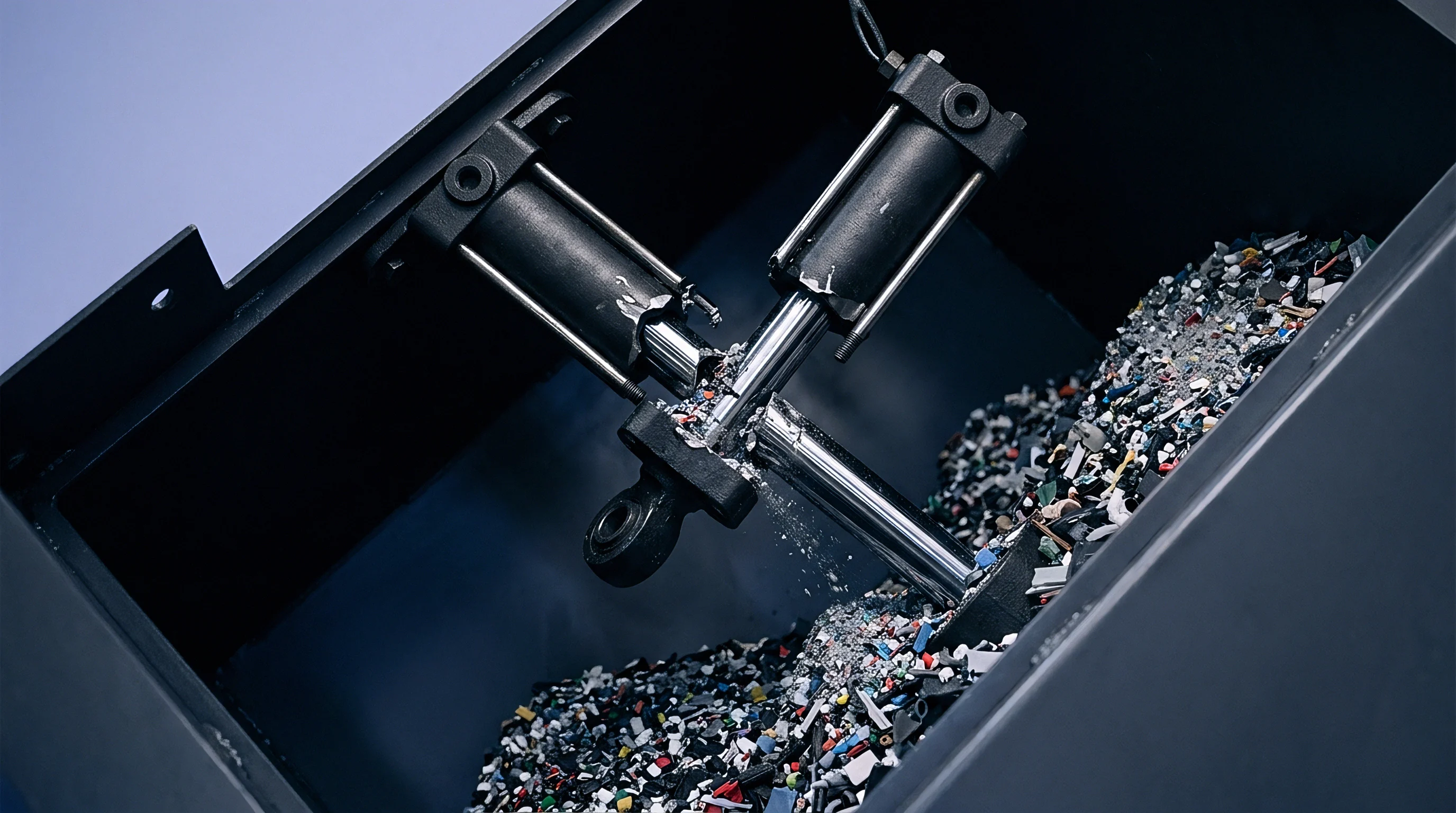

Challenge
Validation protocols evaluate decontamination machinery using deliberate contamination spikes to prove chemical cleaning efficacy. Challenge testing proves decontamination power. Processors spike post-consumer resin flakes with surrogate chemicals that represent five distinct chemical classes prior to running the decontamination system.
These surrogate chemicals mimic volatile non-polar compounds, volatile polar compounds, non-volatile non-polar compounds, non-volatile polar compounds, and heavy metal salts. Regulatory oversight bodies such as the European Food Safety Authority and the United States Food and Drug Administration demand a minimum three-log reduction, equivalent to 99.9 percent cleaning efficiency, for volatile surrogate species before issuing a favorable scientific opinion.

What Residual Concentrations Threaten Food Contact Approval?
Mathematical modeling of contaminant migration complements physical challenge testing. Diffusion calculations rely on the Piringer model to estimate upper-bound migration levels based on polymer matrix density, molecular weight of the migrant, and contact temperature profiles. High-density polyethylene exhibits higher diffusion coefficients than polyethylene terephthalate, meaning high-density polyethylene retains contaminants more tenaciously and releases them more readily into food media.
- Dope ten kilograms of clean post-consumer flake with a surrogate cocktail containing toluene, chlorobenzene, phenylcyclohexane, benzophenone, and methyl stearate at five hundred milligrams per kilogram per compound.
- Homogenize the spiked flake batch in a tumble mixer for four hours to ensure uniform surface coverage and initial absorption into the polymer sub-surface layer.
- Analyze an uncleaned control aliquot via solvent extraction and gas chromatography to establish the precise baseline surrogate loading concentration.
- Process the remaining spiked lot through the commercial decontamination reactor operating at nominal manufacturing throughput, temperature, and vacuum levels.
- Collect clean output pellets at five operational time intervals to verify steady-state cleaning efficiency across the entire production run.
- Perform exhaustive extraction testing on the output pellets to compute the logarithmic decontamination reduction factor for each surrogate chemical class.
Consider a practical challenge test evaluation on a solid-state polymerization line for recycled polyethylene terephthalate. Take a ten-tonne batch of flake spiked with benzophenone at an initial concentration of 450 milligrams per kilogram. Clean flakes prevent downstream migration.
To achieve compliance for packaging fatty foods with long shelf lives, the residual benzophenone concentration in the finished resin must not exceed 0.22 milligrams per kilogram, assuming a standard food contact surface-to-volume ratio of six square decimeters per kilogram of food. Running the solid-state polymerization reactor at two hundred ten degrees Celsius under a vacuum of fifteen pascals yields a residual benzophenone concentration of 0.18 milligrams per kilogram after eight hours. This performance achieves a 3.4-log reduction, clearing the regulatory efficiency threshold.
Dropping the processing temperature to one hundred ninety degrees Celsius reduces the decontamination efficiency to 2.1-log, leaving a residual concentration of 3.58 milligrams per kilogram, which violates the specific migration limit upon final article testing.
Surrogate chemical spikes operate as worst-case physical proxies for real-world post-consumer contamination profiles.
Uncertainty remains regarding whether cumulative low-level exposure to unidentified non-intentionally added substances in multi-pass recycled polymers induces synergistic toxicological effects.

Attestation
Declarations of compliance establish legal liability across every tier of the manufacturing supply chain. Bad documentation halts import containers. Under European Union Regulation 10/2011 Annex IV and Good Manufacturing Practice rules mandated by Regulation 2023/2006, resin recyclers, packaging converters, and final food packers sign binding paperwork confirming material safety.
The attestation links analytical test reports to specific production batches, specifying polymer type, percentage of recycled content, intended food contact types, maximum operating temperatures, and surface-to-volume ratios used during laboratory verifications.
Every batch demands verified provenance. Chain of custody verification relies on batch-specific traceability files linking incoming post-consumer bale audits directly to the output lot chemical analysis. Missing links between resin lot numbers and final article test certificates create legal exposure for brand owners placing packaged goods into retail distribution.
Declarations lacking explicit statements regarding dual-use food additives or restricted monomer limits fail regulatory audits during border inspections or market surveillance checks.
- Batch Identification Alignment confirms that physical gaylord box labels match the lot numbers listed on analytical test certificates exactly.
- Intended Contact Boundaries specify the maximum thermal, temporal, and food acidity conditions covered by the supporting laboratory evidence.
- Dual-Use Additive Disclosures list substances approved as both food additives and plastic processing aids to prevent downstream regulatory concentration breaches.
- Recycled Content Verification provides mass-balance audit evidence validating the physical percentage of post-consumer resin declared in the final composite structure.
| Supply Chain Node | Primary Document Obligation | Required Test Evidence | Downstream Disclosure Item |
|---|---|---|---|
| Resin Recycler | Decontamination DoC | Challenge Test Efficacy Report | Surrogate Clearance Factors and Input Limits |
| Sheet Extruder | Intermediate Material DoC | Overall Migration Limit Verification | Specific Migration Limits and Functional Barrier Status |
| Packaging Converter | Finished Article DoC | Specific Migration and NIAS Screening | Contact Restrictions (Temperature, Food Types, Duration) |
| Food Packer | Final Compliance Assembly | Shelf-Life Sensory and Real-Food Verification | Market Access Declaration and EPR Classification |
A declaration of conformity holds value only when accompanied by raw chromatographic data matching the exact production lot.
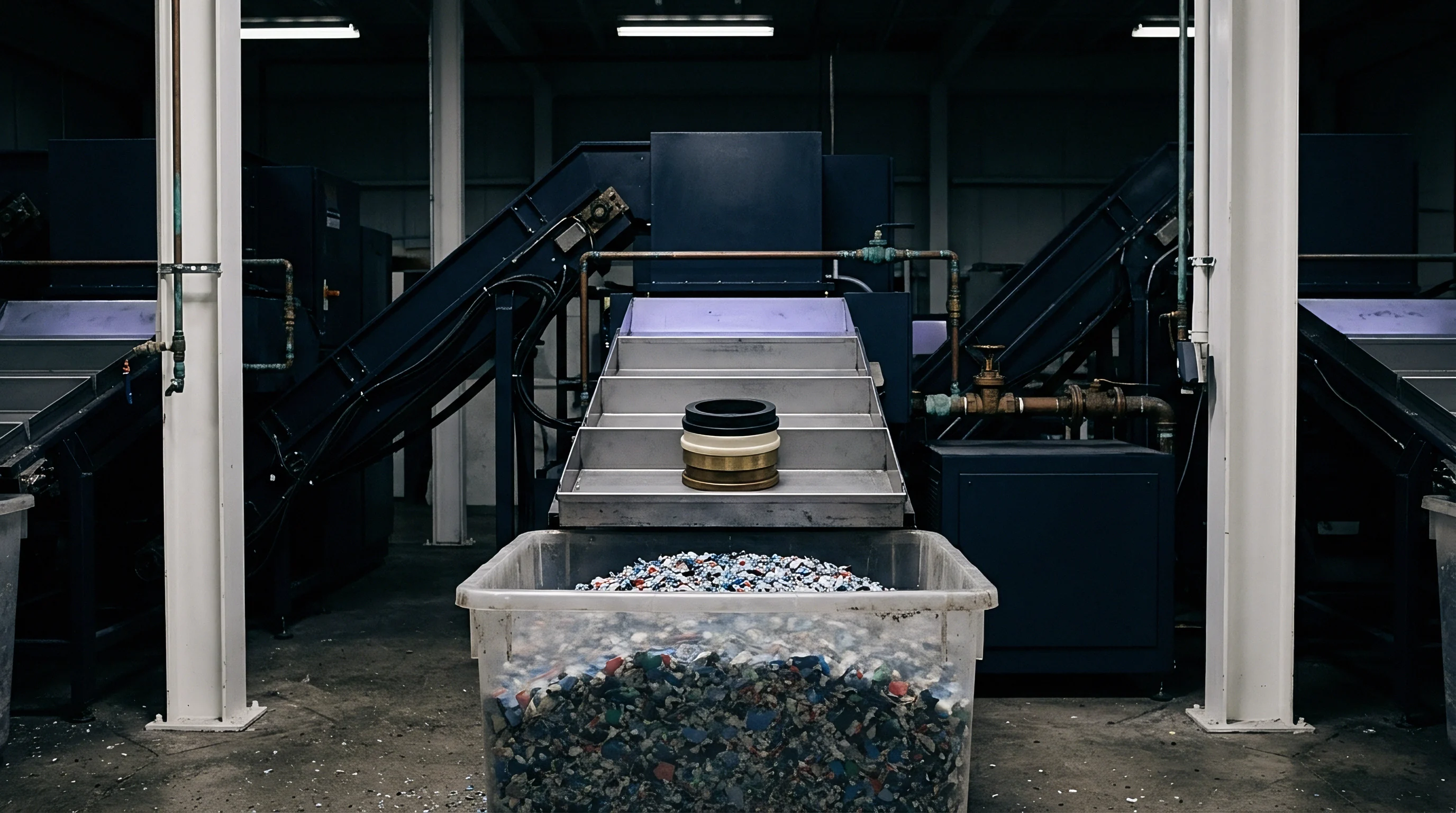
Sampling
Statistical evaluation determines whether physical lots conform to analytical migration boundaries. Testing costs mirror analytical depth. Quality managers employ acceptance sampling plans based on ISO 2859-1 single sampling frameworks to evaluate incoming recycled resin lots.
Taking a single composite sample from a twenty-tonne lot introduces sampling error if contaminant distribution across gaylord boxes lacks uniformity. Heterogeneous contamination profiles lead to false-pass decisions during screening, exposing convertors to batch recall events if unmapped hot spots pass into production lines.
Inter-laboratory variance complicates chemical compliance checks. Running gas chromatography mass spectrometry screenings on identical resin samples across three separate accredited laboratories frequently yields chemical concentration variations exceeding thirty percent. Instrument calibration drift, column phase degradation, and extraction solvent purity contribute to measurement dispersion.
Establishing strict internal standard recovery acceptance windows between eighty percent and one hundred twenty percent reduces analytical variance across testing sites.
- Homogeneity Index Testing entails taking core samples from five distinct depths across every container before resin blending.
- Retention Sample Storage preserves twin three-hundred-gram resin aliquots under inert gas for twenty-four months to defend against downstream disputes.
- Replicate Extraction Running involves analyzing every batch in triplicate to establish intra-lot migration standard deviation.
Laboratory test results vary significantly when extraction solvent temperature drifts by more than two degrees Celsius.
Inadequate batch sampling leads directly to container rejections at destination ports, resulting in demurrage charges and mandatory product destruction.

Penalty
Financial exposure extends beyond immediate lab testing costs when non-compliant packaging enters commercial markets. Port rejections ruin landed margins. Regulatory authorities implement market surveillance programs that utilize automated risk filters to identify import shipments carrying incomplete conformity documentation.
Customs detentions incur daily container storage demurrage fees ranging from one hundred fifty to four hundred dollars per day per container, quickly eroding profit margins on high-volume resin shipments.
Recyclers face strict liability rules. Extended Producer Responsibility legislation across various jurisdictions modulates packaging tax rates based on certified recycled content levels and verified food-safety status. Submitting unverified recycled content assertions triggers tax fraud investigations, retrospective tax assessments, and statutory penalty fines reaching up to two hundred percent of the unpaid duty amount.
Commercial supply agreements typically contain indemnification clauses assigning total recall costs, product destruction expenses, and retail distributor shelf-clearing fees directly to the resin vendor if post-sale migration testing reveals non-compliance with specific migration limits.
Customs authorities in major import terminals inspect documentation sets with automated risk filters, flagging shipments where test reports originate from non-accredited facility laboratories.