Analytical Monomer Testing and Traceability Files for Polyolefin Import Quality
Verify polyolefin import quality by pairing GC headspace residual comonomer testing with batch traceable declarations of conformity under EN 13130 standards.
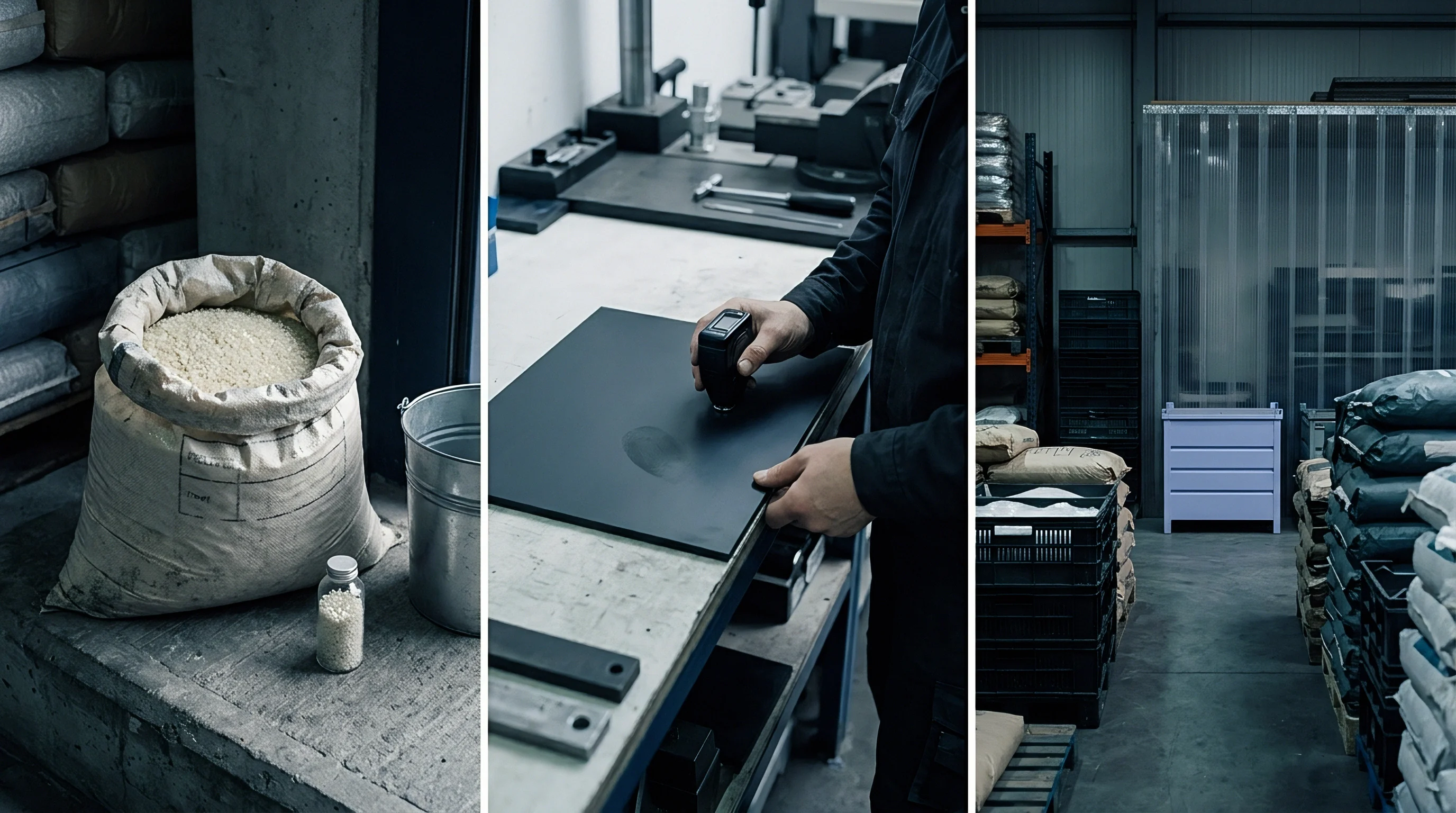

Residuals
Gas chromatography coupled with flame ionization detection isolates volatile monomeric fractions from polyolefin pellets. Unreacted monomers trapped inside high-density polyethylene, linear low-density polyethylene, and polypropylene matrices off-gas during extrusion and end-use exposure. Ethylene, propylene, 1-butene, 1-hexene, and 1-octene represent the primary residual chemical species monitored during import quality checks.
Measuring these volatile residual fractions establishes the baseline chemical purity of raw resin imports before thermal converting operations begin.

Headspace Extraction and Volatile Quantification
Polymeric matrix heating drives light chemical species out of solid granules into a sealed gaseous phase prior to column injection. The static headspace extraction technique balances sample equilibration time against polymer thermal degradation risks. Test samples undergo heating inside closed vials at temperatures ranging between 100 degrees Celsius and 120 degrees Celsius.
The lot holds. Gas chromatography columns separate volatile comonomers, allowing quantitative measurement against calibrated standard solutions.
Mass spectrometry detection supplements flame ionization when identifying non-targeted volatile impurities. Thermal desorption gas chromatography provides enhanced sensitivity for trace comonomers present below 1.0 milligram per kilogram. The test fails.
Importers verify these analytical values to confirm that residual comonomer levels do not breach statutory specific migration limits or maximum permitted material concentrations.
Static headspace gas chromatography achieves a detection limit of 0.5 mg/kg for 1-hexene in linear low-density polyethylene when equilibrated at 120 degrees Celsius for 60 minutes.

Comonomer Thresholds in Packaging Resins
Unreacted alpha-olefins in linear low-density polyethylene impact organoleptic characteristics and migration profiles under high-temperature food contact. High residual 1-hexene or 1-octene levels reduce resin density stability and create off-flavor compounds in packaged fatty foods. Polymerization catalysts, including Ziegler-Natta and metallocene systems, yield distinct comonomer distribution curves across the polymer mass.
Metallocene-catalyzed resins display narrower molecular weight distributions and lower residual monomer levels compared to traditional Ziegler-Natta resins.
| Polyolefin Type | Target Monomer | Method Standard | Limit in Material (mg/kg) | SML in Food Simulant (mg/kg) |
|---|---|---|---|---|
| HDPE Injection Grade | Ethylene | EN 13130-1 | 1.0 | Not Restricted |
| LLDPE Film Grade | 1-Hexene | EN 13130-3 | 3.0 | 3.0 |
| LLDPE Film Grade | 1-Octene | EN 13130-4 | 15.0 | 15.0 |
| PP Copolymer | Propylene | EN 13130-1 | 5.0 | Not Restricted |
Analytical laboratories evaluate total monomer mass fraction alongside specific migration capacity. High residual monomer contents in raw pellets increase the probability of non-compliance after film blowing or sheet extrusion. Verification protocols isolate raw resin volatile headspace from degradation byproducts generated during conversion processing.
Importing resins with unquantified monomer traces exposes the importer of record to customs seizures, forced re-exports, and mandatory product recalls across downstream packaging supply networks.
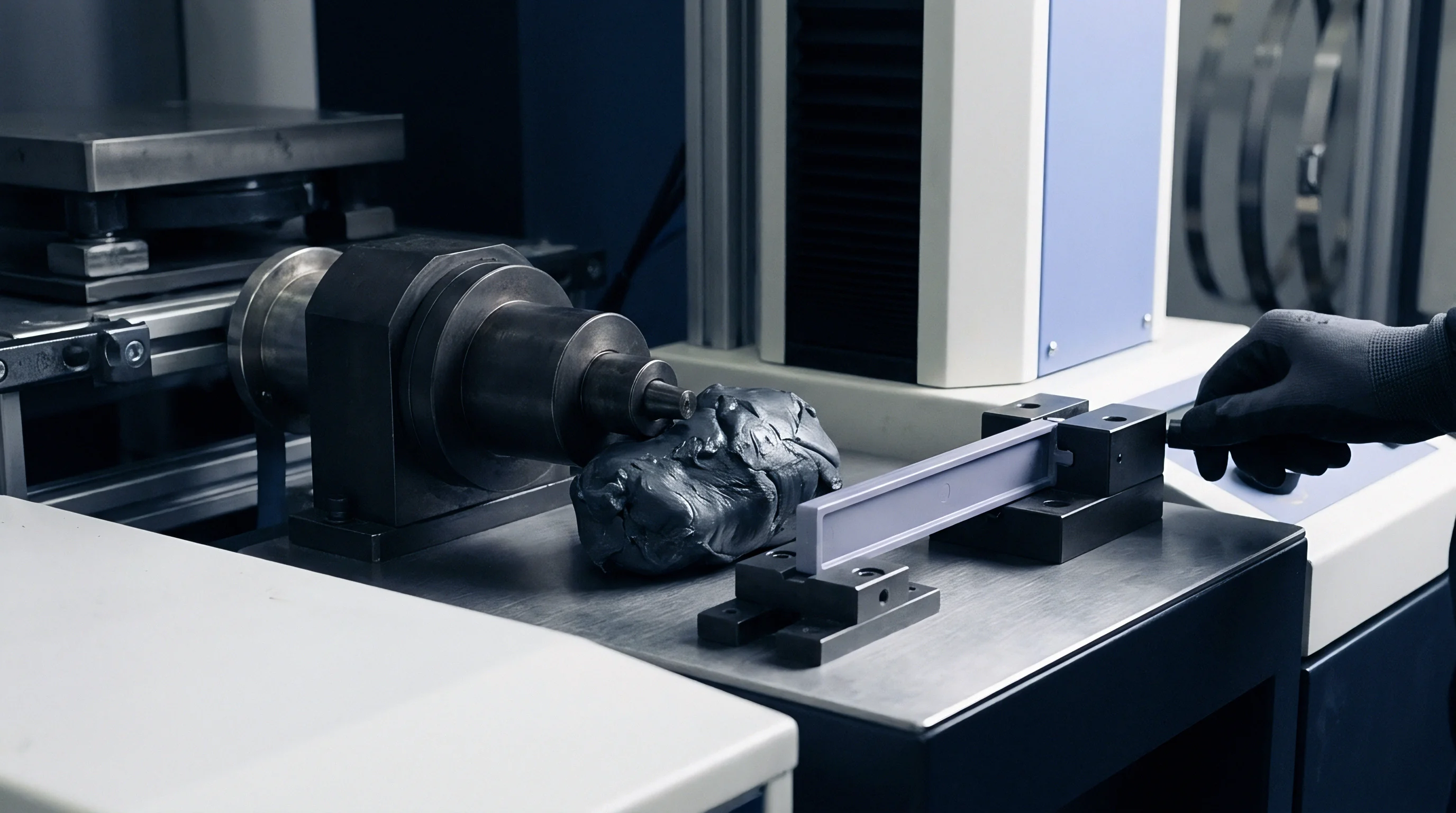

Dock
Containerized resin bags arriving at container freight stations undergo random physical sampling by port inspection teams. Import quality control relies on physical verification of landed cargo against the accompanying shipping documentation. Bulk sea-bulk containers, octabins, and 25-kilogram palletized bags present distinct sampling challenges during maritime import clearance operations.
Physical sampling protocols define the statistical validity of all downstream analytical testing.

Acceptance Sampling at Maritime Terminals
Customs officers draw composite pellet cores from multiple bulk sacks across a single freight lot to verify physical lot homogeneity. Sampling thief probes collect core samples from top, middle, and bottom layers of packaging units. The border blocks.
Standardized sampling plans derived from ISO 2859-1 dictate the number of individual bags selected for composite analytical blending.
- Lot Identification involves verifying container seal numbers, shipping marks, and resin grade designations against the commercial bill of lading.
- Package Selection requires pulling representative bags from at least five separate pallets distributed throughout the container length.
- Core Extraction uses a clean stainless steel thief sampler inserted diagonally through bag valves to obtain 100-gram pellet increments.
- Composite Blending combines individual core samples inside sealed vapor-barrier bags to prevent volatile monomer evaporation before laboratory arrival.

Discrepancies between Certificate and Freight
Differences between supplier mill test reports and landed cargo polymer properties trigger mandatory hold orders at border clearance gates. Certificates of analysis provided by overseas exporters often reflect production batch averages rather than container-specific analytical measurements. Melt flow index variance, density shifts, and volatile headspace discrepancies signal potential batch cross-contamination or unauthorized resin substitutions during transshipment.
Importers cross-check manufacturing batch numbers stamped on shipping sacks against the analytical certificates attached to customs declarations. Discrepancies in batch numbering invalidate the legal standing of pre-shipment compliance files. Costs multiply quickly.
Physical sample collection at the import port provides the sole legally defensible proof of cargo identity during regulatory disputes. Foreign resin mills frequently claim that production lot blending accounts for variable residual monomer concentrations detected between separate shipping containers.


Bench
Independent testing laboratories execute migration testing protocol sequences inside temperature-controlled liquid immersion cells. Monomer migration analysis measures the diffusion of unreacted chemical species out of finished polyolefin packaging into standardized food simulants. Testing procedures simulate worst-case exposure durations and thermal conditions encountered throughout product shelf life.
The analytical bench isolates migrating chemical species using chromatographic separation after defined contact cycles finish.

Simulant Selection and Exposure Regimes
Standardized food liquid substitutes mimic fatty, acidic, and aqueous food categories during accelerated thermal contact cycles under EN 1186 protocol rules. Ten percent ethanol simulates aqueous foods, three percent acetic acid mimics acidic media, and rectified olive oil or vegetable oil substitutes represent fatty foodstuffs. Polyolefin materials intended for dry food contact undergo screening using modified polyphenylene oxide, commercially known as Tenax.
The batch stops.
| Food Category | Simulant Used | Exposure Time | Exposure Temp (°C) | SML Target (mg/kg) |
|---|---|---|---|---|
| Aqueous Foods | 10% Ethanol (Simulant A) | 10 Days | 40 | Defined per Monomer |
| Acidic Media | 3% Acetic Acid (Simulant B) | 10 Days | 40 | Defined per Monomer |
| Fatty Products | Vegetable Oil (Simulant D2) | 10 Days | 60 | 3.0 (1-Hexene) |
| Dry Foods | Tenax (Simulant E) | 10 Days | 60 | 15.0 (1-Octene) |
Contact condition selection reflects real-world thermal history during packaging processing and storage. High-temperature filling applications demand migration exposure at 121 degrees Celsius for two hours inside sealed pressure digestion vessels. Repeat-use articles require three consecutive exposure cycles with fresh simulant fractions, using the third exposure concentration as the official compliance measurement.

Does Accelerated Testing Overestimate Monomer Release?
High-temperature simulant exposures alter polymer chain mobility, occasionally inflating measured migration rates above real-world storage values. Accelerated thermal testing at 60 degrees Celsius causes polyolefin matrix swelling when long-chain hydrocarbon simulants interact with low-density amorphous regions. Matrix swelling accelerates monomer diffusion coefficients artificially, leading to false-positive migration limit breaches.
European Union Regulation 10/2011 Annex III mandates substitute simulant testing with 95 percent ethanol when testing polyolefin film contact with dairy fat matrices.
Analytical chemists evaluate non-intentionally added substances alongside targeted comonomers during mass spectrometry scans. Oligomeric degradation products, antioxidant reaction fragments, and processing aid breakdown products appear in extraction chromatograms. Traceability breaks down.
- Solvent Swelling Artifacts occur when organic simulants penetrate amorphous polyolefin regions, altering structural diffusion rates during immersion.
- Interfering Degradation Peaks emerge when thermal antioxidants decompose into volatile compounds that co-elute with target residual comonomers.
- Matrix Oligomer Overlap happens when low molecular weight ethylene oligomers obscure GC-MS peak integration for light alpha-olefins.
- Volatile Monomer Loss arises during sample extraction evaporative steps, causing underreporting of low-boiling comonomer fractions.
Differentiating intentional monomer additions from thermal degradation products demands precise retention time matching and mass-to-charge ratio confirmation. Quantitative accuracy depends on applying correct response factors derived from certified reference materials. Whether thermal degradation products formed during high-shear injection molding act synergistically with residual monomer migration remains an open field of research.

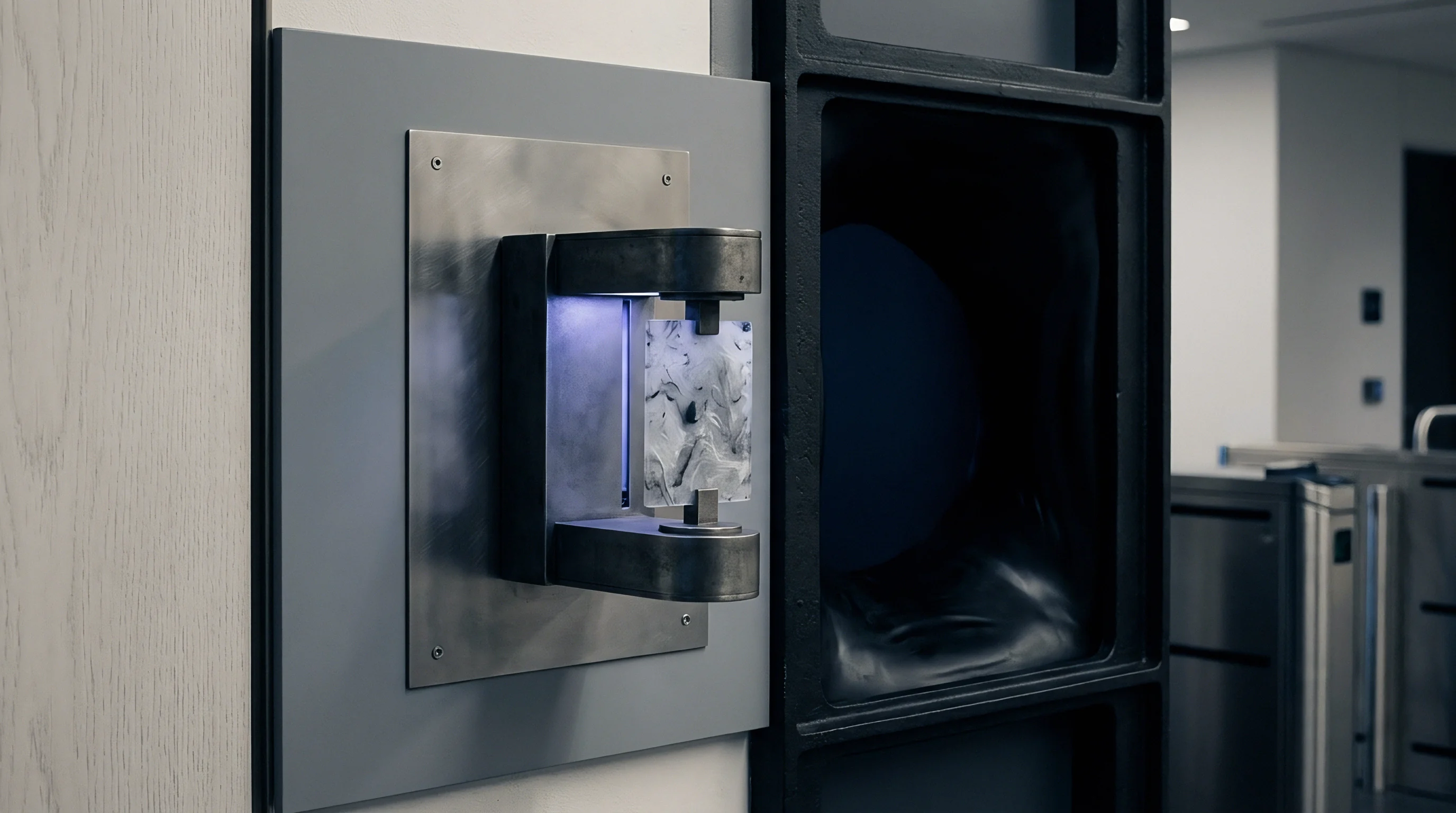
Chain
Documented evidence bridges the compliance gap between primary resin synthesizers, masterbatch compounders, and final converting facilities. A complete traceability cascade links raw petrochemical feedstocks to finished food contact articles placed on consumer markets. Every supply chain node contributes specific chemical safety declarations to maintain the regulatory validity of the complete import file.
The chain of custody documents batch history, processing parameters, and chemical safety assurances.

Upstream Declaration Cascades
Resin suppliers pass raw material compliance declarations down through every tier of product processing. Primary monomer manufacturers issue declarations confirming specific monomer identity, CAS numbers, and purity percentages. Resin compounders receive these documents, adding disclosures regarding secondary functional additives, slip agents, and antioxidants.
Data proves compliance.
Declarations of conformity must explicitly state compliance with Regulation (EC) 1935/2004, Regulation (EU) 10/2011, or US FDA 21 CFR 177.1520 requirements. Broad generic claims asserting food grade quality without referencing specific test reports fail regulatory review. The declaration must detail resin restrictions, dual-use additive content, and specific migration limits requiring downstream verification.
Declarations of conformity missing specific monomer migration limits transfer full legal liability for non-compliance directly to the downstream importer.

Dual Use Additives and Restricted Monomer Mapping
Chemical compounds serving both functional plastic additive roles and direct food additive roles create specific regulatory disclosure duties for packaging converters. Calcium stearate, titanium dioxide, and silicon dioxide represent common dual-use substances present inside commercial polyolefin formulations. Converters calculate potential migration levels to ensure food packaging does not exceed maximum permitted direct food addition limits.
Establishing traceability requires systematically verifying each upstream document against defined regulatory parameters.
- Confirm the identity, contact address, and legal registration of the primary resin manufacturing facility.
- Verify that the scope of the supplier declaration covers the precise resin grade number listed on the commercial freight invoice.
- Extract all listed specific migration limits, maximum permitted material contents, and restricted CAS numbers from the declaration body.
- Cross-reference listed dual-use additives against destination market food additive regulations to identify downstream calculate-and-declare obligations.
- Match production batch codes shown on technical certificates against physical container packaging stamps.
Section 4 of standard commercial plastics purchasing agreements mandates that resin suppliers supply complete analytical test summaries upon written request.


Breach
Customs detentions and chemical non-compliance findings cause immediate financial losses across global polyolefin supply channels. Regulatory enforcement authorities screen imported plastic goods at border arrival points using automated clearance filters and physical checks. Detecting unapproved monomers, exceeded specific migration limits, or missing compliance dossiers leads to cargo rejections.
Importers pay demurrage.

Financial Exposure in Border Interceptions
Port demurrage fees combine with laboratory re-testing costs when customs officials freeze imported resin shipments. Container storage charges accumulate daily while authorities conduct verification analysis on held freight. Administrative penalties levied by border agencies add significant overhead to non-compliant shipments.
| Cost Component | Basis of Calculation | Low Estimate (USD) | High Estimate (USD) |
|---|---|---|---|
| Port Demurrage | Daily fee per 40ft container (14 days hold) | 2,800 | 7,000 |
| Emergency Re-Testing | Full EN 13130 migration panel per lot | 3,500 | 6,000 |
| Customs Administrative Fine | Fixed penalty per non-compliant import entry | 5,000 | 25,000 |
| Cargo Re-Export/Destruction | Freight handling, incinerator fees per tonne | 4,000 | 12,000 |
Financial losses extend beyond immediate port charges into commercial relationship damage. Delayed raw material deliveries disrupt factory production schedules, causing downtime across downstream packaging converting facilities. Contractual delivery failures trigger liquidated damages claims from end-use customers.

Landed Cost Arithmetic for Non Compliant Shipments
Importing polyolefin packaging resin without valid test evidence alters the final financial ledger through administrative fines and container storage charges. Unverified resin purchases offering minor upfront price discounts frequently generate substantial total losses when regulatory delays occur. The financial calculation must account for risk probability alongside primary purchase prices.
Demurrage charges at major container terminals double every seventy-two hours while cargo awaits analytical clearance.
Testing proves origin. Importers implement structured pre-shipment qualification programs to insulate financial margins from border rejections. Calculating true landed costs demands incorporating compliance verification fees into raw material procurement budgets.
Importing resin batches supported only by generalized technical datasheets guarantees administrative delays when customs authorities audit chemical compliance.


Paperwork
Regulatory compliance files store analytical test reports, declaration letters, and batch trace documentation for mandatory inspection periods. Maintaining accessible conformity documentation satisfies statutory compliance mandates enforced by market surveillance authorities. Complete import dossiers prove that reasonable due diligence was performed prior to releasing plastic goods into commercial trade channels.
Verification protects margins.

Structure of the Import Dossier
Importers maintain structured verification folders containing raw laboratory chromatograms, chain of custody logs, and signed conformity statements. The compliance folder organizes technical data logically, allowing rapid retrieval during official regulatory audits. Clearance stalls completely.
Regulatory authorities demand document production within tight statutory timeframes following border queries.
Organizing an import compliance folder demands strict inclusion of core technical and administrative records.
- Declaration of Conformity signed by an authorized corporate officer explicitly naming the imported polyolefin grade and manufacturing source.
- Analytical Test Reports issued by an ISO 17025 accredited testing facility detailing residual monomer concentrations and specific migration test results.
- Chain of Custody Logs tracking physical lot movement from the overseas polymerizing plant to the final entry terminal.
- Bill of Materials detailing raw polymer fractions, colorant masterbatch formulas, and secondary processing additives.
- Melt Flow and Density Data confirming physical polymer characteristics match published manufacturing specifications.
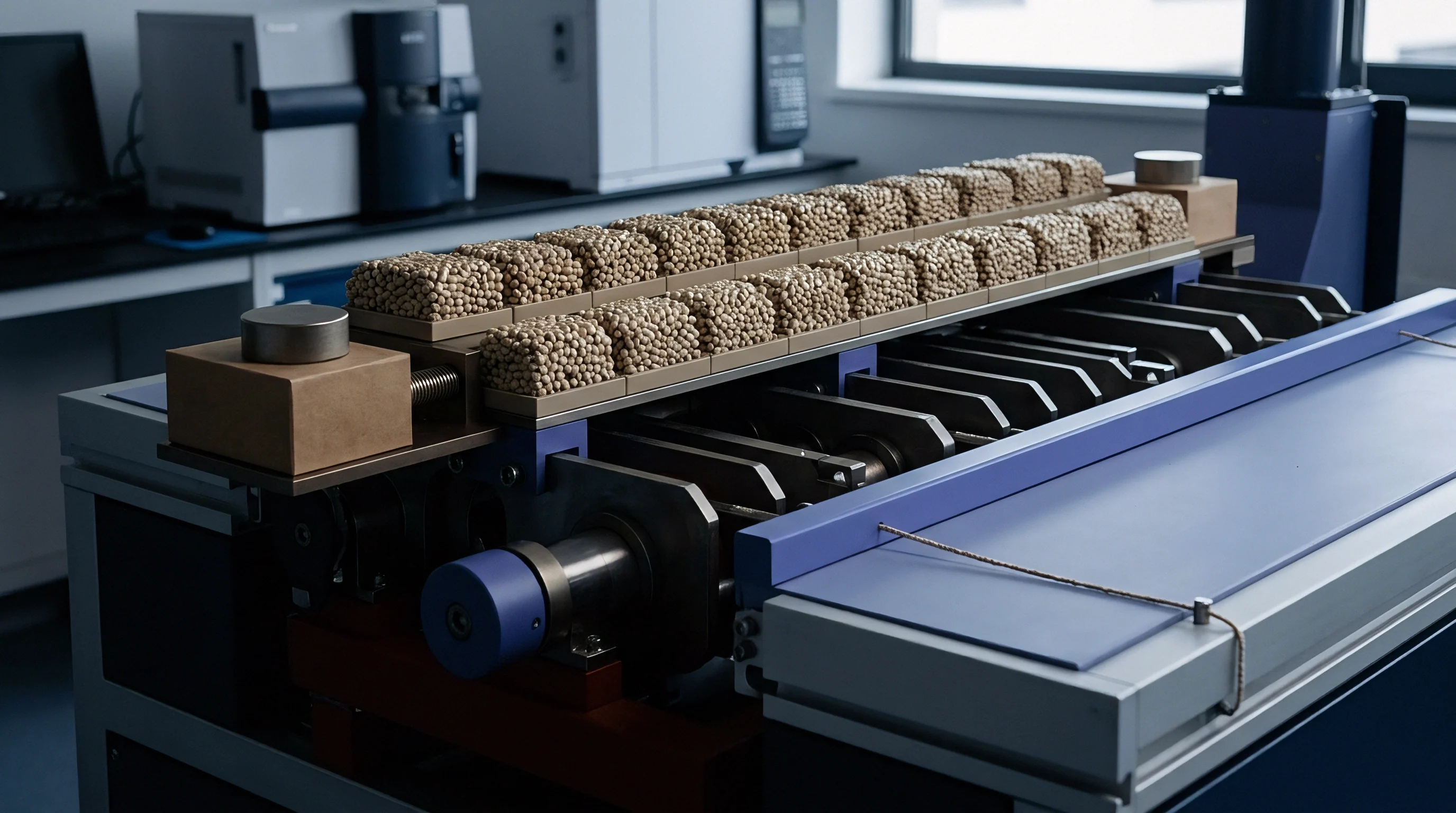
Batch Validation and Periodic Re-Testing Schedules
Quality assurance plans establish set intervals for re-testing imported polyolefin resins to ensure continuous compliance across ongoing production lots. Reliance on historic test certificates issued years prior exposes importers to silent chemical formula changes made by resin manufacturers. Polyolefin producers alter catalyst systems, reactor conditions, and additive packages to optimize production costs, impacting monomer residual levels.
Periodic re-testing protocols mandate full analytical migration re-evaluation every twelve months or every five thousand metric tonnes imported. Intermediate lot sampling relies on static headspace gas chromatography screening to verify volatile residual stability between full migration panels. Quality audit teams archive physical retain samples from every imported lot for two years to support retrospective defense claims if market surveillance authorities challenge landed product safety.