Meaning
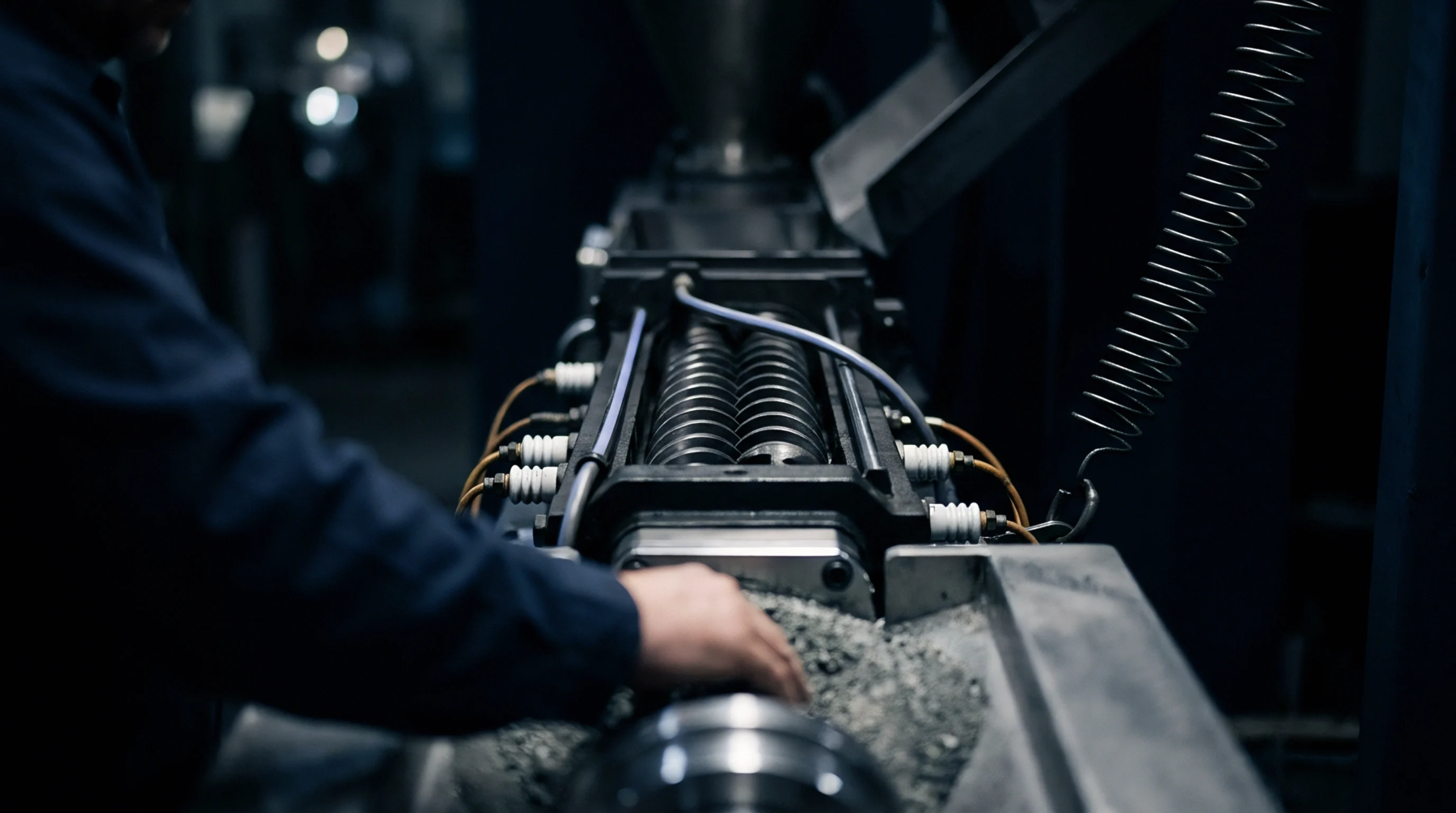
Polymer processing methods distribute highly viscous melts into extremely thin films on heated surfaces to facilitate the removal of volatile compounds. In wiped film extrusion, rotating blades or screw elements spread the polymer across the barrel wall, continuously renewing the exposed surface. This method accelerates the evaporation of residual solvents.
Melt Renewal
High viscosity polymers resist the migration of trapped gases due to slow molecular diffusion. During wiped film extrusion, the action of the wiping elements continuously mixes the polymer, bringing trapped volatiles to the surface where they can easily evaporate. This renewal overcomes the limitations of static diffusion.
Devolatilization Performance
Efficiency of volatile removal depends on the temperature, the vacuum level and the film thickness. Optimizing the wiped film extrusion process ensures that the residual solvent concentration in the polymer is reduced to the parts-per-million levels required for food-grade packaging. This high efficiency is achieved without exposing the polymer to excessive thermal stress, which prevents polymer degradation and preserves the mechanical properties of the recycled resin.
Equipment Design
Specialty reactors and multi-screw extruders are configured to provide the high surface area renewal required for this process. The choice of wiping clearance and rotor speed determines the performance of wiped film extrusion. Proper design prevents polymer degradation while maximizing the output rate.