Meaning
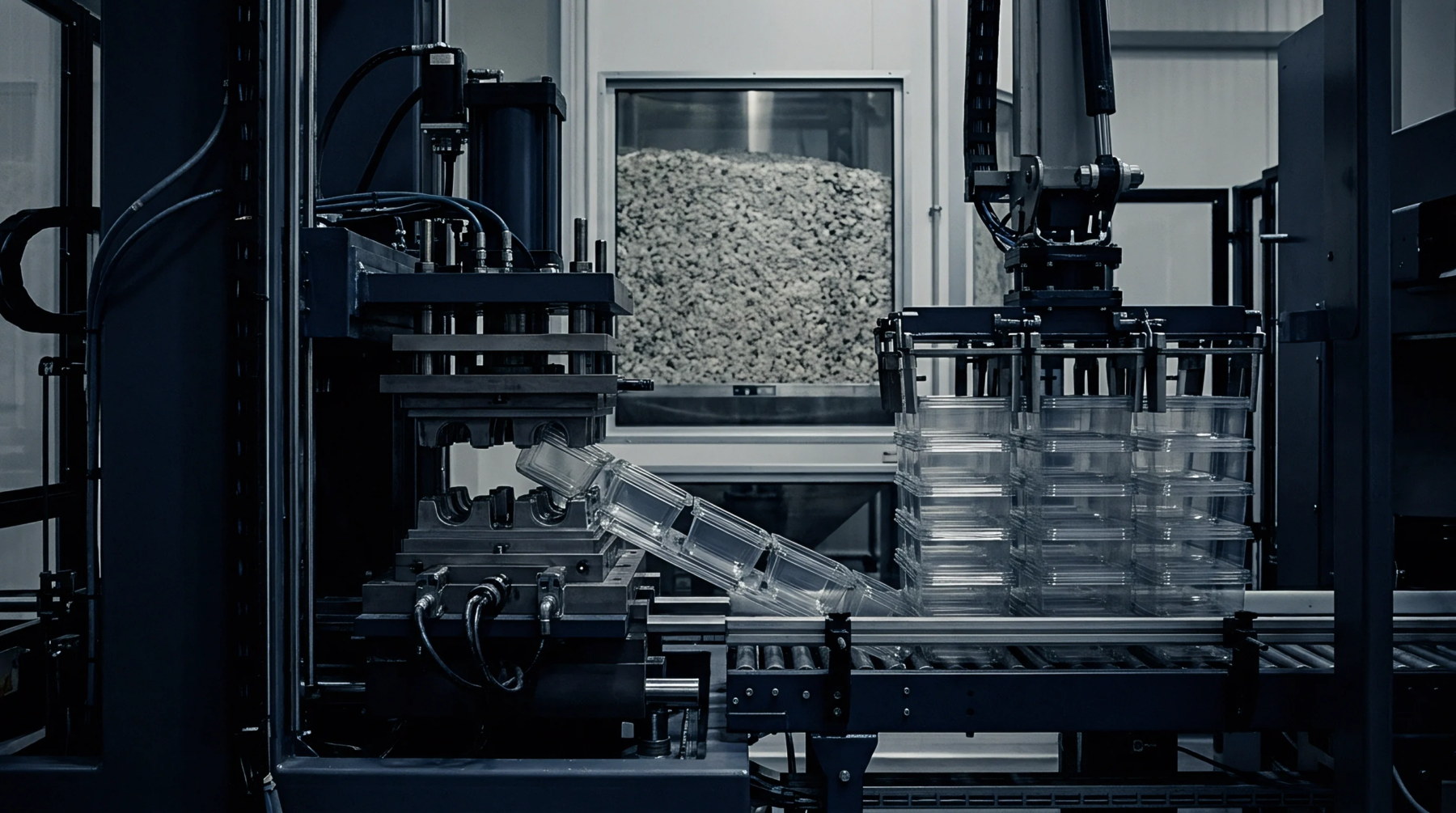
Investment in the engineering and fabrication of moulds and dies represents a substantial portion of the total startup cost for a new plastic product. Allocated tooling capital expenditure covers the physical assets required for mass production rather than the variable costs of resin and labor. It is a one-time cost that is usually capitalised on the balance sheet.
Asset Investment
Procurement of high-quality moulds ensures that the production line can meet the required cycle times and quality standards. The total tooling capital expenditure includes the cost of the steel, the machining hours and the validation trials required to approve the part.
Project Budget
Management of these costs is an essential task for project engineers who must balance tool durability with the available funds. Lower-cost aluminium tools might reduce the initial spend but may not last for the entire planned production volume. Choosing the right number of cavities and the level of automation also influences the final price of the asset.
Financial Risk
Large upfront payments for tooling create financial exposure if the product fails in the market or the volumes do not materialise. Companies often mitigate this by using phased payments based on milestones like design approval and final part acceptance. This structured approach ensures that the investment is protected until the tooling is fully functional and capable of producing saleable parts.