Meaning
Volatile transition metal compounds are used as chemical precursors in the manufacture of polymerization catalysts for polyolefins. During catalyst synthesis, titanium tetrachloride is reacted with magnesium compounds to form the active sites for propylene or ethylene polymerization. This reaction is the foundation of high-yield Ziegler-Natta catalyst systems.
Controlling the concentration of this compound determines the activity and morphology of the catalyst.
Catalyst synthesis
The chemical reacts vigorously with water and oxygen, requiring inert-gas handling. When titanium tetrachloride is processed, it must be kept under a nitrogen blanket to prevent decomposition.
Resin Residues
Low levels of metal compounds can remain in the polymer resin after the polymerization process is complete. While titanium tetrachloride is mostly deactivated during catalyst washing, trace amounts of titanium and chlorine can persist in the finished polymer pellets. These residues can cause yellowing and thermal degradation when the resin is later melted during moulding.
To minimize this, compounders add acid scavengers to neutralize the acidic chlorine byproducts. This stabilizer package prevents degradation of the resin during processing.
Manufacturing Handling
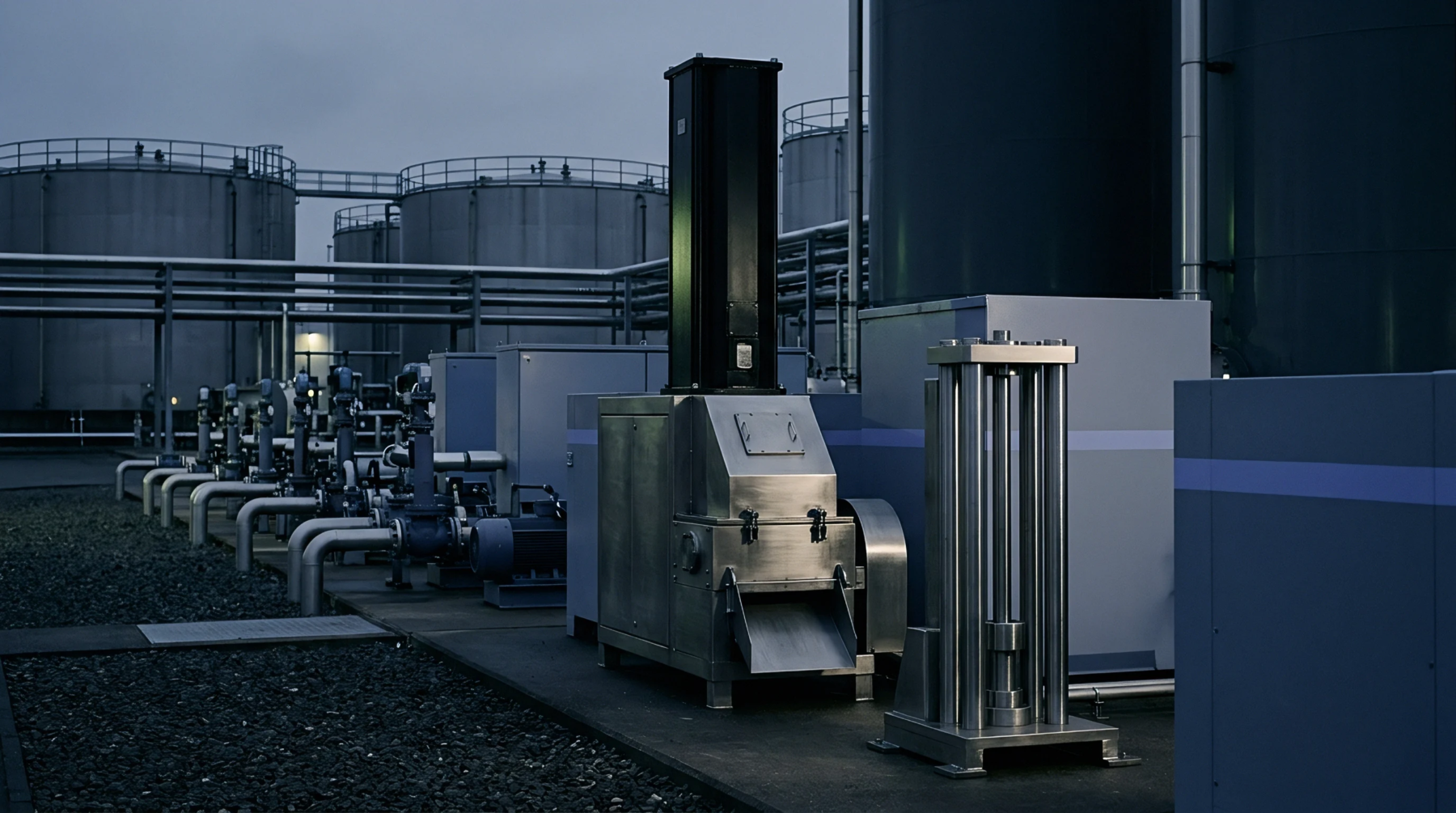
Handling this volatile liquid requires specialized materials and strict safety protocols to prevent accidental releases. In catalyst plants, titanium tetrachloride is stored in pressurized stainless-steel vessels equipped with dry gas systems. Any contact with moisture releases dense white fumes of titanium dioxide and hydrochloric acid.
These corrosive fumes damage equipment and pose severe health risks to operators. This risk necessitates the use of robust scrubbers to neutralize any escaping gases before they leave the facility.