Meaning
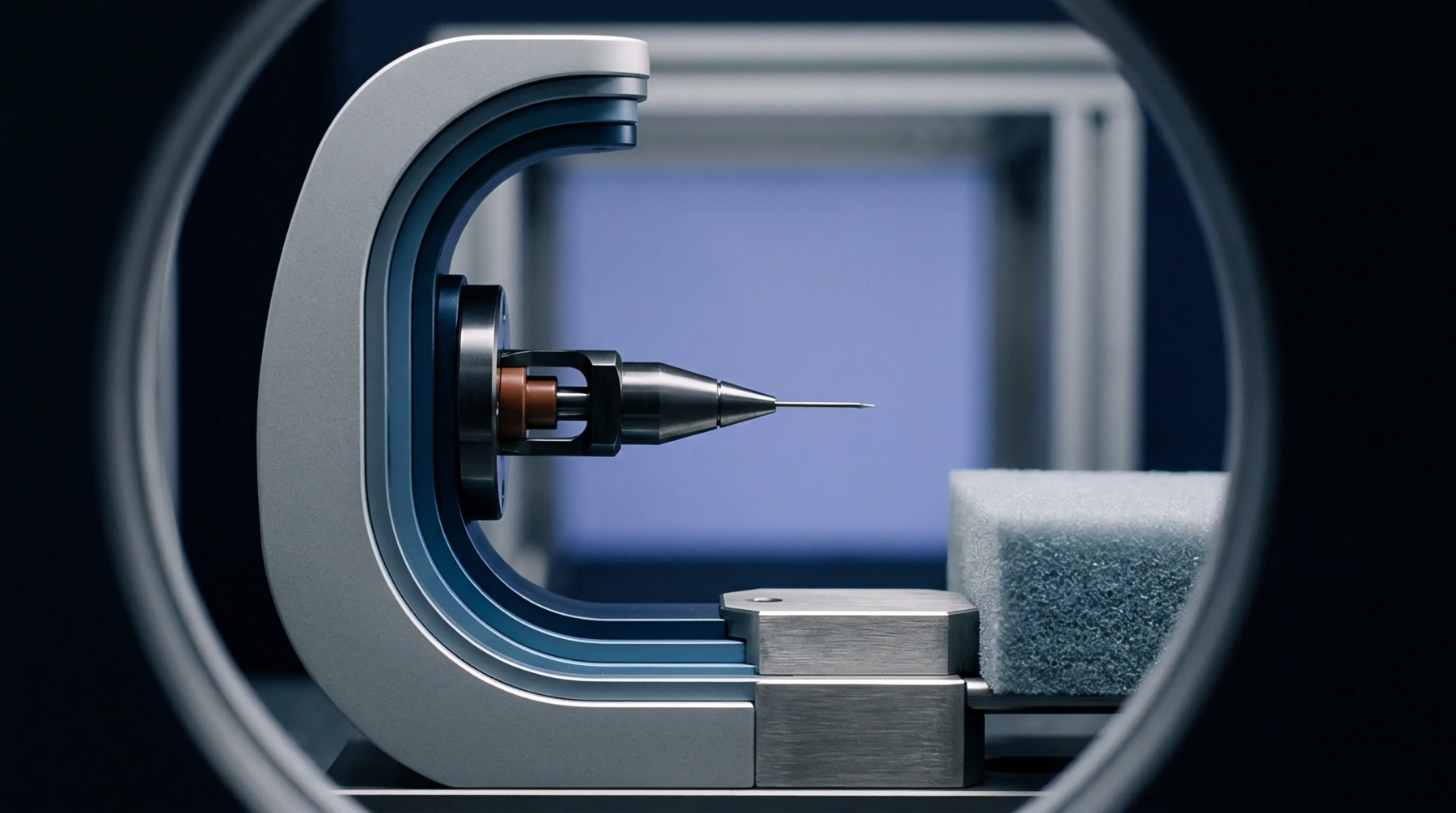
Mass determination represents an analytical process where ions are accelerated through an electric field and their mass-to-charge ratio is calculated based on their transit time over a known distance. In the plastics industry, time of flight mass spectrometers are used to characterize the molecular weight distribution of polymer chains and identify additives. This diagnostic method helps engineers diagnose material failures by pinpointing the presence of degraded polymer chains.
Quality Analysis
Changes in molecular weight distribution can drastically affect how a plastic behaves during the injection moulding cycle. When using time of flight analysis to inspect failed parts, technicians can determine if the failure was caused by processing resin at too high a temperature. This information allows operators to adjust the cylinder heating bands to prevent future thermal damage.
Sourcing Selection
Reverse engineering a competitor’s molded part requires identifying the exact chemical compounds in the resin. Technicians use this data to find a suitable commercial resin grade. This process saves weeks of trial moulding.
Analytical Constraint
Operating these mass spectrometers requires a controlled laboratory environment and expensive high-vacuum equipment. Extracting the polymer sample and running the scan takes several hours, meaning it cannot be used for real-time process adjustments on the factory floor. Despite this limitation, it remains the most reliable method for verifying the chemical composition of raw resins.