Meaning
Unsaturated hydrocarbons found in plant resins and essential oils often persist in post-consumer plastic waste through the recycling process. Contaminants like terpenes are particularly common in polypropylene and polyethylene recovered from detergent bottles or food packaging. These molecules are responsible for the distinct citrus or pine smells in recycled pellets.
Contamination Source
Residual fragrances from original product contents bind to the polymer matrix during the first use cycle. Because these compounds have high boiling points, they do not easily evaporate during the standard washing and drying steps of a recycling plant. They remain trapped until the material is reheated in an extruder.
The heat of the melt allows the molecules to release from the polymer chains and enter the surrounding air.
Removal Mechanism
Advanced filtration and vacuum degassing are required to reduce the concentration of these volatiles in a high quality regrind. While a standard melt filter removes solid particles, it cannot stop the migration of terpenes through the molten plastic. Dedicated deodorization units use heat and air flow to strip the scent.
Grade Limitation
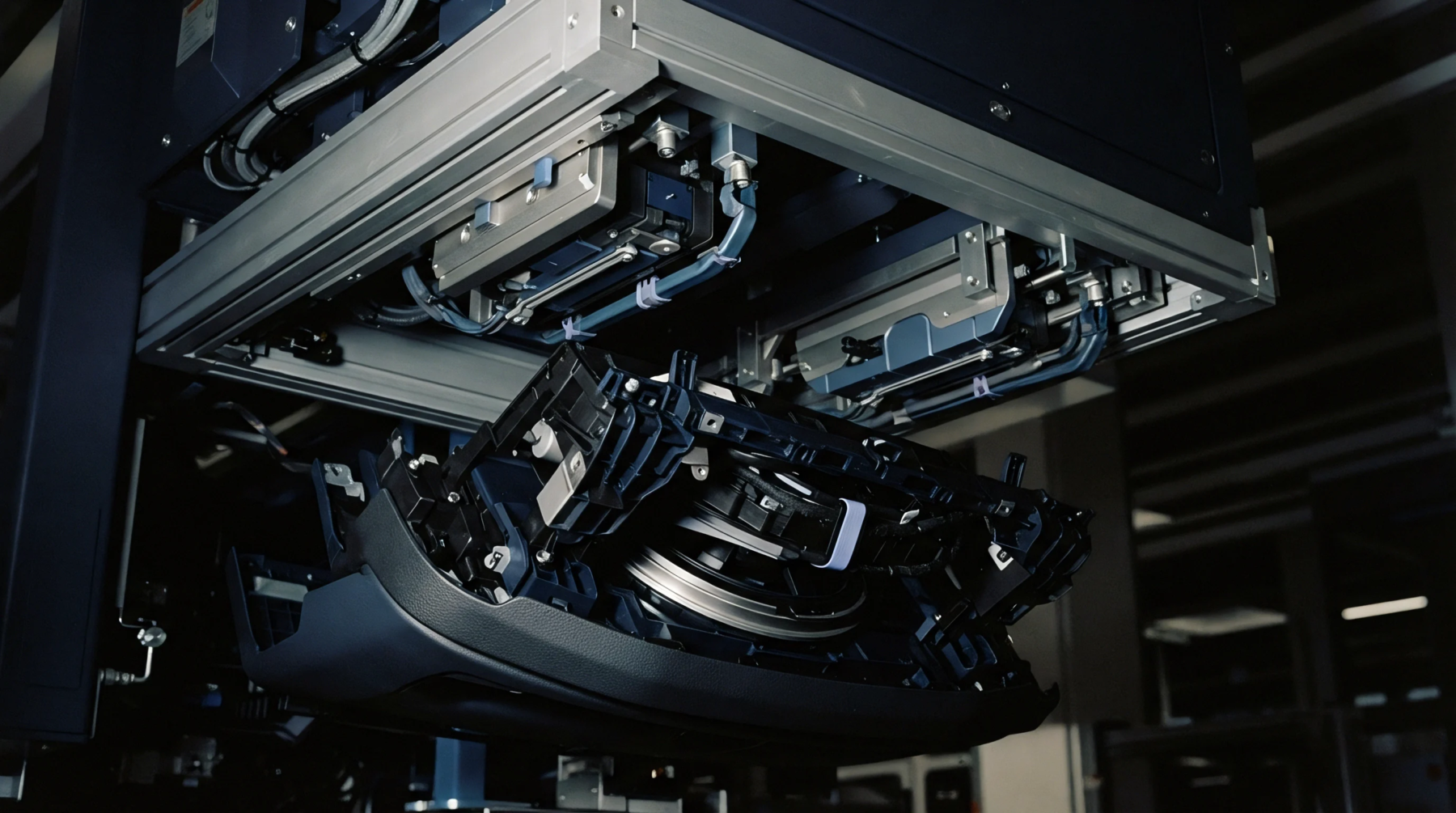
High levels of aromatic impurities restrict the use of recycled resins in odor-sensitive applications like cosmetics or indoor automotive parts. Even when the structural properties of the plastic meet the datasheet values, the presence of terpenes can lead to the rejection of a whole production lot. This makes the chemical purity of the feedstock a primary cost driver for premium recycled grades.