Meaning
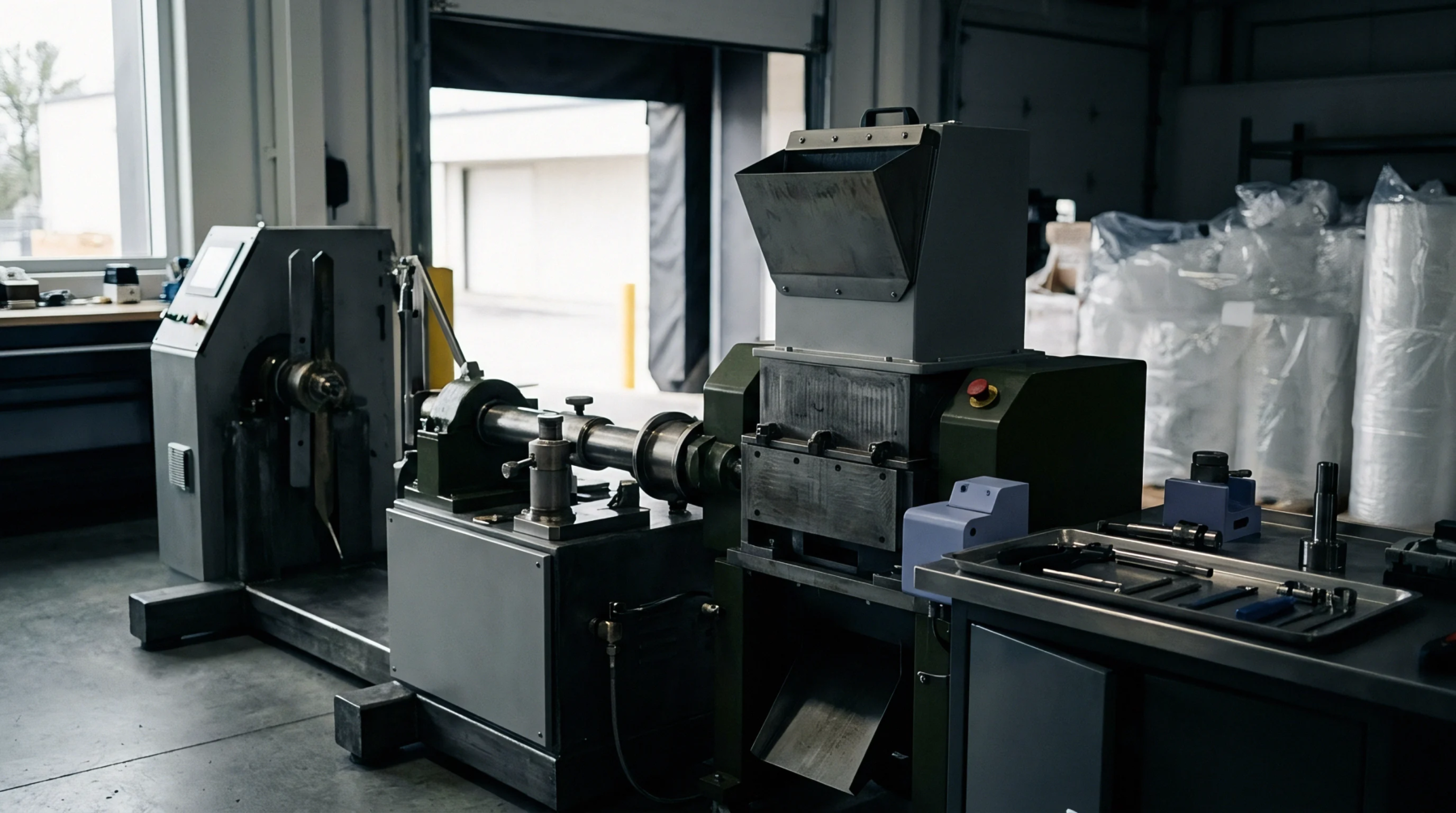
Mechanical or laser processes create permanent markings and textures directly into the surface of a metal mould cavity. The process of steel engraving is used to add part numbers and branding to the finished plastic part during the injection cycle. This process removes a controlled amount of material to ensure that the mark appears as a raised or recessed feature on the polymer surface.
The depth of the cut is critical, as excessive depth can create stress concentrations or make part ejection difficult.
Precision Marking
Accuracy in the placement of characters ensures that technical data is legible on even the smallest moulded components. Because steel engraving is performed on hardened tool steel, it requires specialized carbide cutters or high-power fibre lasers. This permanence is vital for medical and automotive parts that must carry traceable lot codes throughout their service life.
Tooling Modification
Updates to the marking often require the use of removable inserts rather than direct work on the main cavity block. If a date code changes, steel engraving on a small round insert allows for quick replacement without rebuilding the entire tool. This modular approach reduces the downtime of the press and the cost of maintaining current information on the product.
Aesthetic Quality
Surface finishes and textures are achieved through fine-scale removal of material to create a specific visual or tactile effect.