Meaning
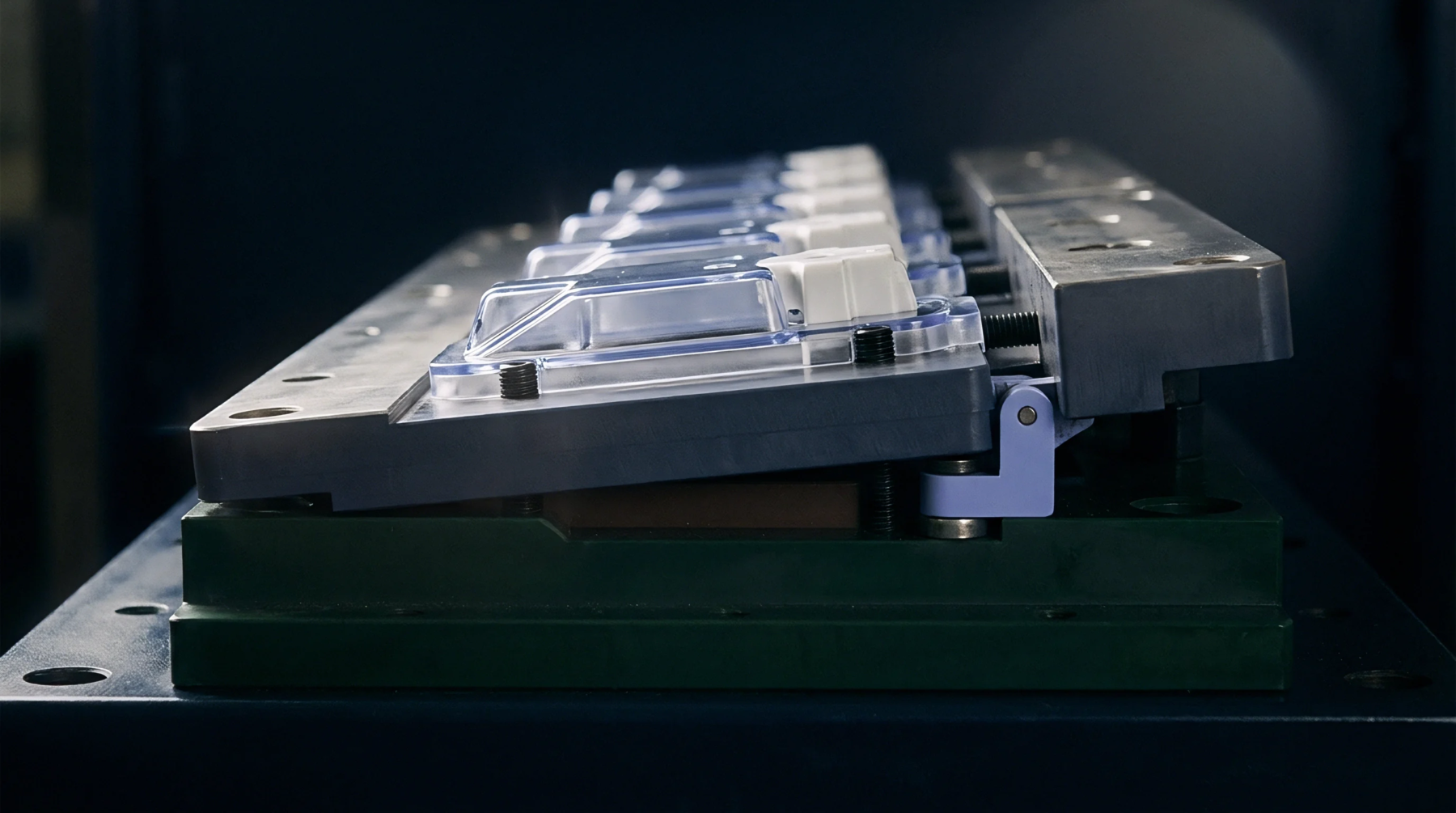
Martensitic chromium steel alloy designed specifically for plastic injection moulding tooling provides exceptionally high corrosion resistance paired with extreme wear tolerance. Stavax 420 achieves this balance through a controlled chemical composition featuring elevated chromium content alongside precise carbon balancing, which together prevent pitting from aggressive polymer outgassing during high temperature processing cycles. Tooling engineers specify this material grade for mould cavities and core inserts destined for processing corrosive thermoplastics such as polyvinyl chloride or flame retarded engineering resins.
Tooling Performance
Mould lifespan extends significantly when cavity blocks utilize pre hardened steel grades maintaining uniform hardness throughout heavy cross sections. Thermal conductivity values govern cooling channel efficiency during high speed injection cycles, requiring precise placement relative to cavity walls to prevent localized overheating in deep rib features. High mechanical strength prevents parting line crushing under high clamping forces applied by modern toggle or hydraulic presses.
Cavity surface integrity directly influences the ejection behaviour of complex geometries, reducing friction coefficients during part demoulding operations.
Alloy Chemistry
Carbides precipitate evenly within the martensitic matrix during thermal treatment, providing superior abrasion resistance against abrasive mineral fillers added to base polymers. Chromium concentrations exceeding standard stainless specifications form a passive oxide film on polished tool faces, protecting internal surfaces against moisture ingress during idle periods between production campaigns. Quenching and tempering protocols establish final hardness values ranging between fifty and fifty two Rockwell C, balancing toughness against brittleness under repetitive cyclic fatigue loading.
Dimensional Stability
Machining operations induce residual stresses that require intermediate stress relief annealing before final grinding and polishing stages to prevent distortion during thermal cycling. Dimensional variance across large multi cavity blocks remains exceptionally tight, ensuring parting lines seal perfectly without flashing during high pressure injection phases. Proper tempering suppresses retained austenite levels, preventing unexpected growth or distortion during extended operational service lives at elevated mould temperatures.