Meaning
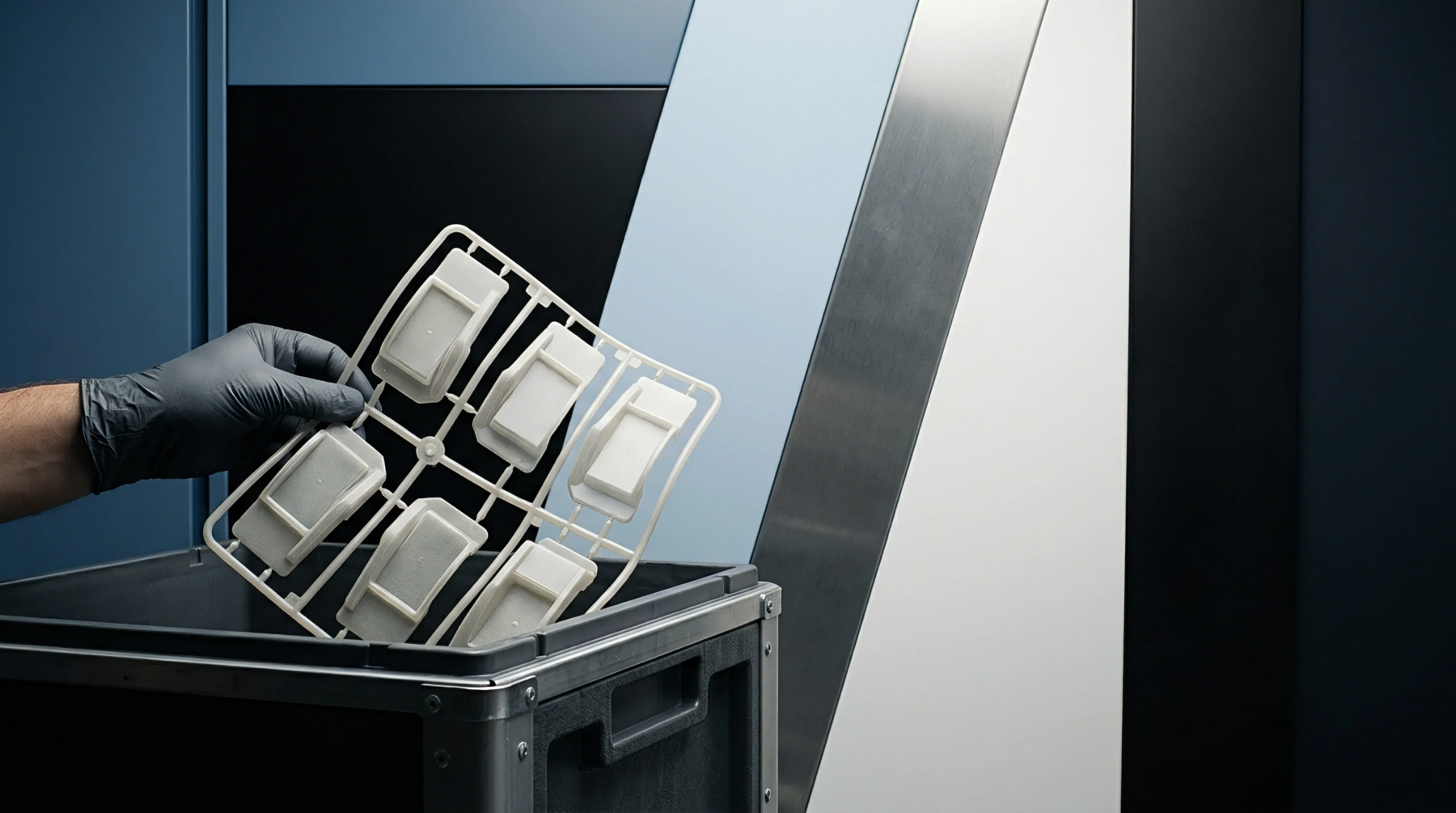
Standardized visual and tactile cosmetic classifications categorize plastic part finishes based on specific tool polishing procedures. Plastic injection moulders specify SPI surface finish grades ranging from high gloss diamond polished A-1 to coarse dry blasted D-3 finishes. Achieved cosmetic appearance depends on cavity steel selection, resin grade and moulding processing conditions.
Standard datasheet resin properties assume pristine mold surface transfer when defining optical clarity numbers, requiring explicit drawing callouts to define acceptable cavity polish levels across aesthetic component surfaces.
Grade Classification
Standardized finish grades group cavity surface treatments into four primary categories based on polishing medium and grit size. Diamond buffing creates mirror finishes designated as A grade for optical lenses and clear covers. Sandpaper polishing yields semi-gloss B grade surfaces suitable for general consumer housings.
Stone polishing and grit blasting produce C and D grade matte finishes that hide resin weld lines and sink marks.
Tooling Execution
Mold makers polish hardened tool steel inserts using sequential grit progression to eliminate machining marks. High hardness tool steels like S7 and P20 take high diamond polish without developing orange peel defects. Insufficient polishing leaves sub-surface scratch patterns that transfer onto injection moulded parts under specular lighting.
Abrasive glass bead blasting creates uniform matte textures on complex tool geometries.
Production Variable
Polymer melt temperature and injection pressure govern resin replication fidelity against tool cavity walls. Highly crystalline resins reproduce fine matte textures more accurately than amorphous materials. Mold deposits degrade high gloss finishes, requiring periodic cavity solvent cleaning.