Meaning
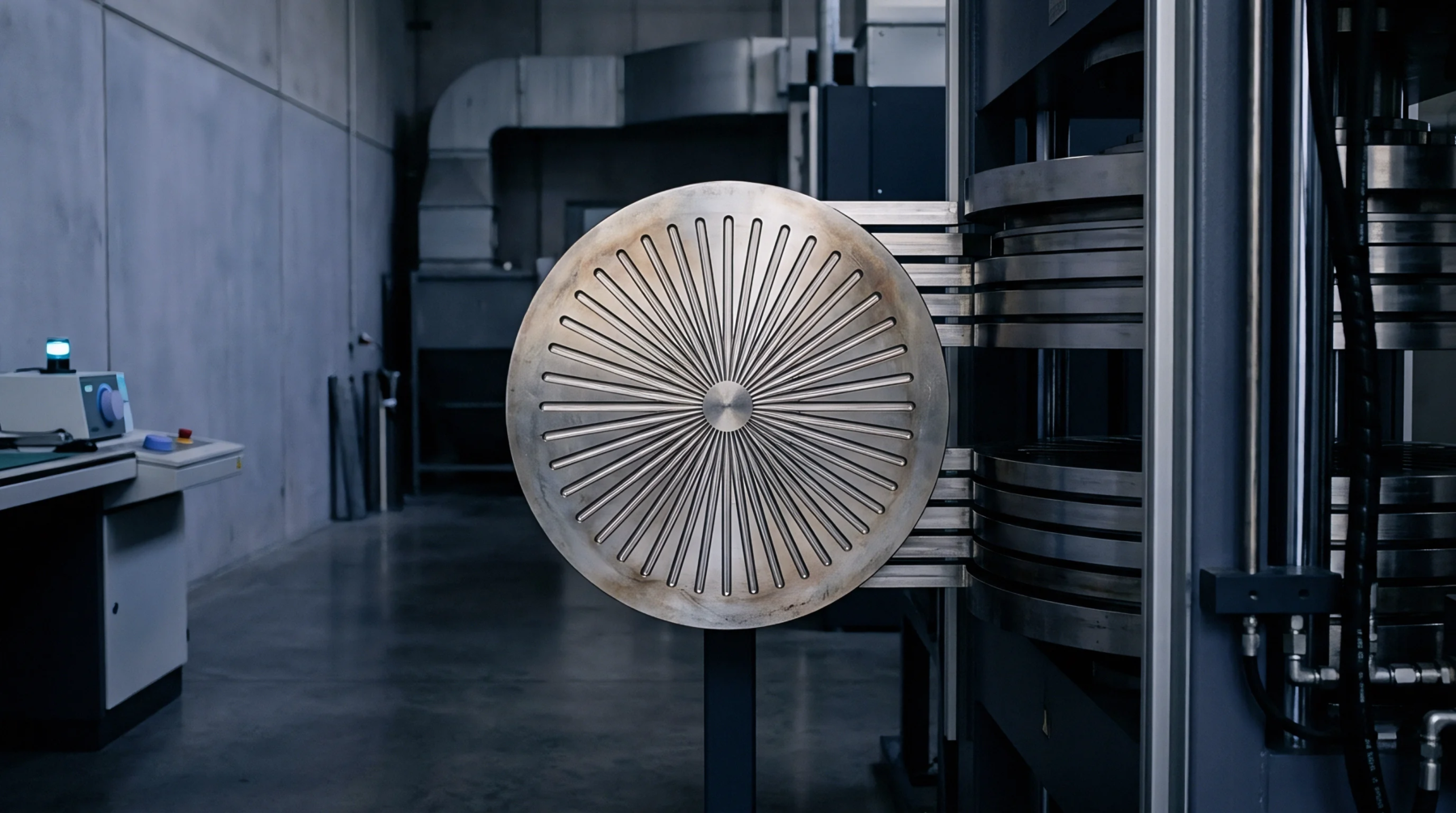
Surface roughness classification defines a polishing standard for tool steel cavities to ensure consistent part release and visual appeal. The spi a2 finish mandates a diamond buff process that removes all tool marks until the metal reaches a uniform level of smoothness. This designation falls under the Society of the Plastics Industry guidelines for mould surface quality.
Achieving this grade requires specific abrasive progression and secondary hand working to reach a measured roughness value between one and two microinches.
Tooling Requirement
Polishing techniques for this grade necessitate the removal of all cutter paths left by numerical control machining. Operators use diamond compounds on specialized laps to achieve the required finish across the entire mould cavity surface. The labour time invested increases exponentially as the cavity geometry becomes complex or contains tight corners.
Proper maintenance of the steel surface prevents premature wear during high volume production runs.
Material Interaction
Polymers with high gloss characteristics or transparent qualities demand this level of cavity preparation to avoid surface defects on the finished part. Roughness on the mould wall creates drag and prevents the flow front from moving across the cavity at a uniform speed. Parts moulded against this surface exhibit high clarity and minimal haze because the polymer surface replicates the polished tool wall exactly.
Regrind usage occasionally complicates the process if contaminants within the resin scratch the polished steel during repeated injection cycles.
Economic Impact
Selecting this grade increases the initial tooling cost compared to bead blasted or ground finishes because of the extensive hand labour required for light reflection. Tooling life decreases when moulders run abrasive filled resins against a high polish surface because those additives act like sandpaper during the ejection phase. Maintenance teams face higher repair bills to restore the finish after accidental scratching or chemical pitting occurs.
Superior surface quality reduces the need for secondary painting or coating operations after the moulding cycle ends.