Meaning
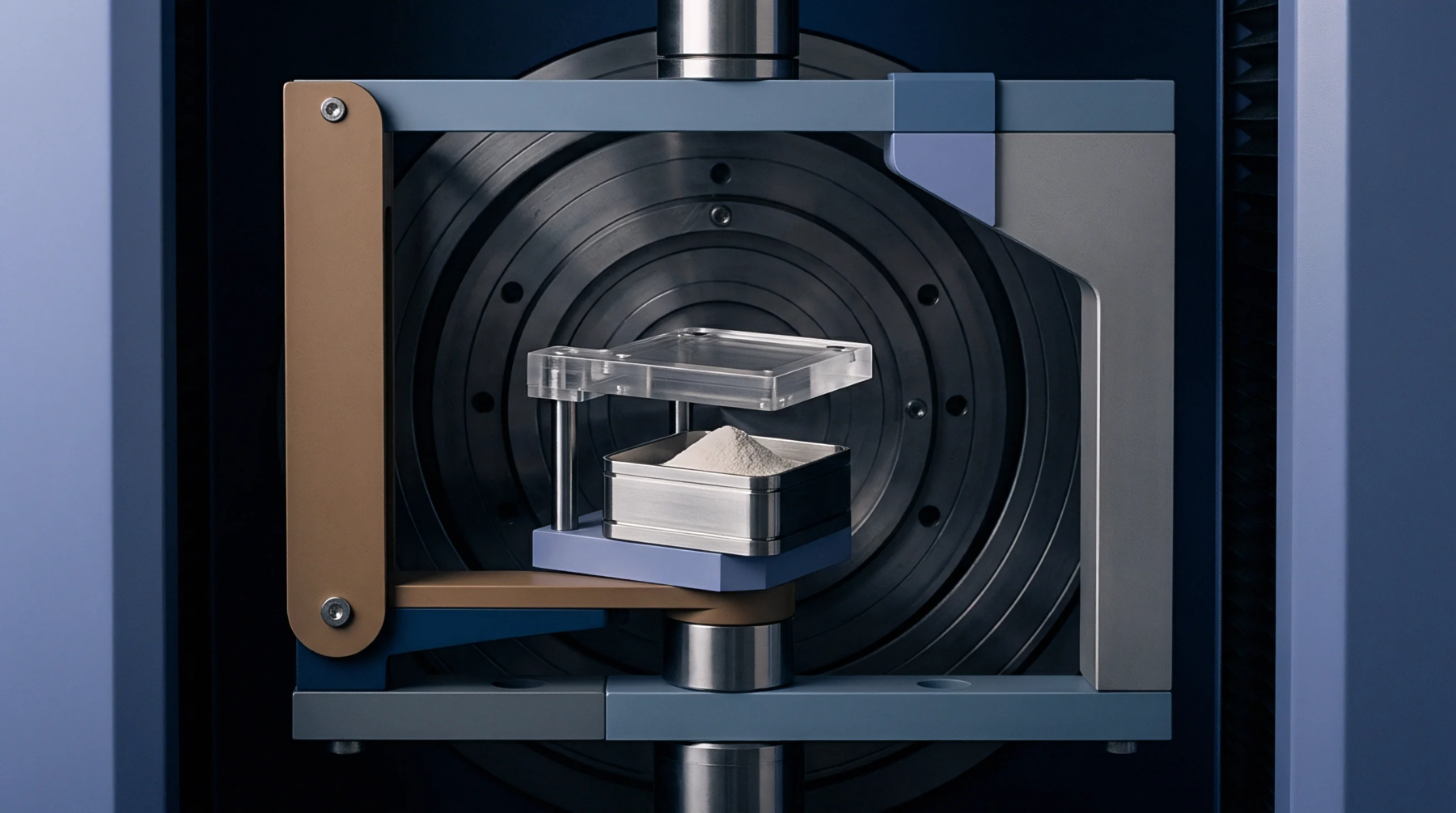
Rheological measurement methods use a rectangular flow channel to determine melt viscosity. In polymer extrusion, slit die viscometry measures the pressure drop along a flat channel to calculate shear stress and shear rate under production conditions. This method provides a direct evaluation of the resin flow behavior as it moves through the die.
Shear Flow
Multiple pressure transducers mounted along the length of the rectangular channel measure the pressure gradient. In slit die viscometry, this pressure gradient is converted to shear stress, while the flow rate determines the shear rate of the melt. This calculation assumes a fully developed flow between parallel plates, which simplifies the mathematical model.
This arrangement avoids the need for complex entry and exit corrections required by other rheological methods. In addition, the rectangular geometry matches the exit path of sheet and film extrusion dies, making the measurement highly representative of actual production flows.
Extrusion Control
Real-time viscosity measurements enable the detection of polymer degradation or variations in regrind composition. If the viscosity measured by the slit die changes, it indicates a change in the molecular weight or moisture level of the polymer. This feedback allows operators to adjust the barrel temperature or screw speed immediately to maintain the extruded profile within specifications.
Geometry Boundary
Correct measurements require that the channel width is at least ten times greater than the height to minimize edge effects. If the slit die is not wide enough, the three-dimensional flow at the walls introduces errors into the calculated viscosity. This requirement restricts the technique to larger flow channels or low-throughput extrusion lines.