Meaning
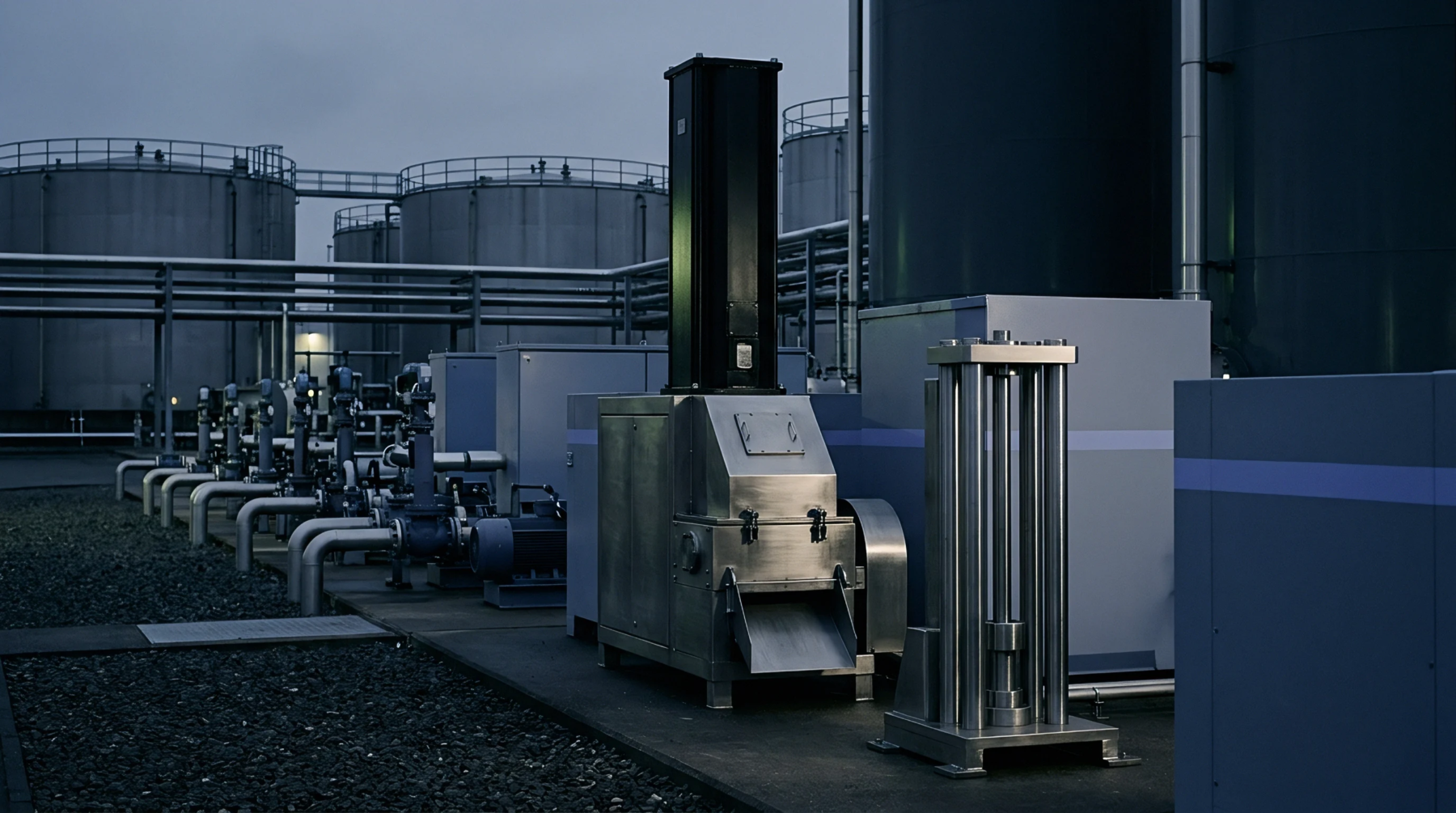
Industrial processes blend polymer pellets or powders inside a storage silo to ensure a uniform distribution of materials across a batch. Through silo homogenization, compounders and moulders eliminate variations in melt flow index, additive concentration, and density before the resin is processed. This step is necessary when handling large quantities of resin that may have settled during transport.
It prevents the feeding of inconsistent material into downstream equipment.
Blending Mechanism
Pellets are mixed by recirculating the material from the bottom of the silo back to the top. During silo homogenization, gravity-flow blending systems combine resin from different levels.
Quality Consistency
Processing facilities require a uniform raw material to maintain a stable injection moulding or extrusion process. By utilizing silo homogenization, manufacturers ensure that every batch of resin delivered to the machine has identical physical properties. This uniformity prevents issues like part weight fluctuation and color variance during long production runs.
It reduces the need for constant machine adjustments by the operator. This stability is critical for meeting the tight dimensional tolerances of automotive and medical parts.
Economic Advantage
Buying resin in bulk and blending it in-house offers significant cost savings for high-volume moulding operations. Through silo homogenization, a plant can blend lower-cost wide-specification resin or regrind with high-quality virgin polymer. This capability lowers the overall material cost while maintaining the required performance of the finished parts.
It also reduces the amount of waste generated by recycling scrap material back into the production stream.