Meaning
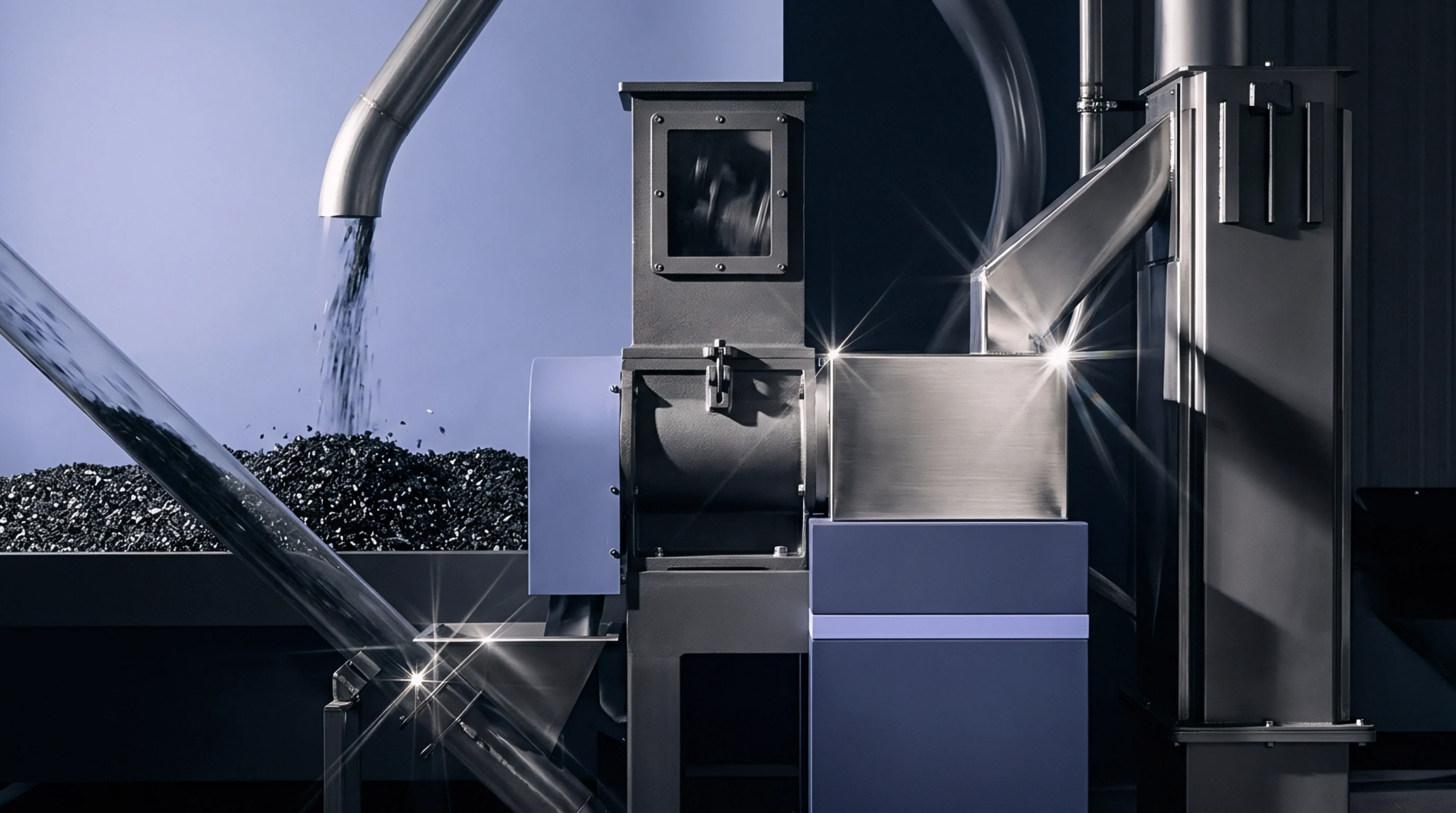
Decontamination equipment removes low molecular weight residues from recycled polyethylene terephthalate flakes during the melt preparation phase. This rpet volatile stripping occurs when high vacuum and elevated temperatures force gaseous contaminants and degradation products out of the polymer matrix before the material enters the extruder. It ensures that post-consumer feedstocks meet food-contact safety standards by reducing the concentration of residual acetaldehyde and organic impurities to acceptable levels.
Degassing Efficiency
Effective moisture control acts as a prerequisite for the success of this operation because water molecules influence the diffusion rates of trapped chemical species. Drying systems reduce the input humidity to levels below fifty parts per million prior to thermal exposure. A moulder adjusts the vacuum pressure to match the specific contaminant profile of the incoming resin batch.
Lower absolute pressures draw out heavier hydrocarbons that remain fixed at atmospheric conditions.
Operational Limits
Production cycles depend upon the residence time of flakes inside the vacuum chamber to achieve the final purity. If the flow rate through the unit exceeds the capacity for mass transfer, the exit material retains high levels of unwanted volatiles. Such contamination leads to off-odours in the final moulded part and causes degradation of physical strength during subsequent processing cycles.
Economic Consequence
Using rpet volatile stripping allows converters to substitute virgin pellets with mechanically recycled resin without sacrificing aesthetic quality or safety compliance. Regrind economics shift when the facility investment for these stripping units is balanced against the lower procurement cost of recycled sources compared to primary petrochemical supply. High-volume moulding lines maintain profit margins by recovering the value of internal scrap through this integrated purification path.