Meaning
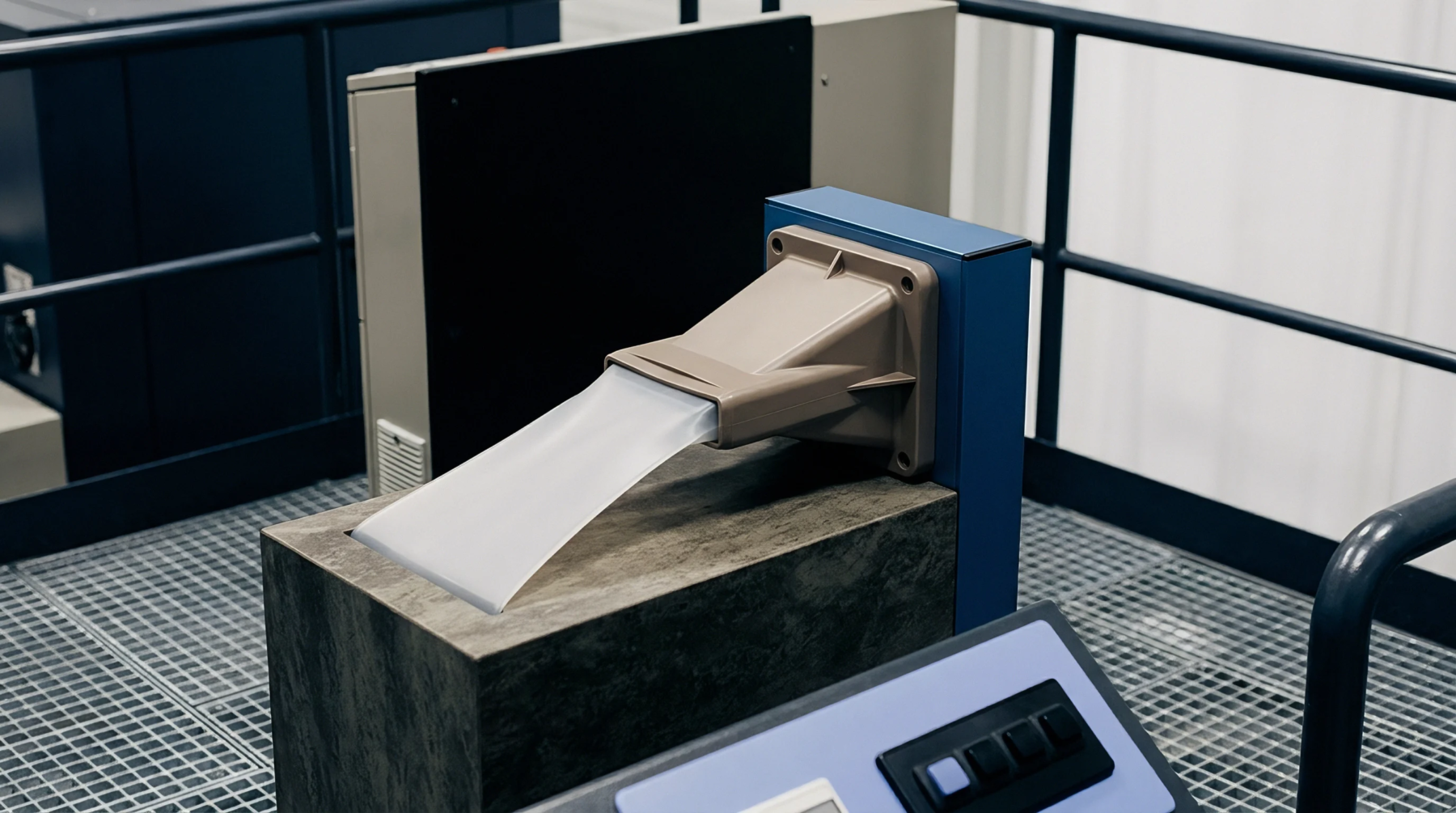
Quality control instrument that holds a flexible component in its design position to simulate the final assembly. A restrained state fixture allows quality engineers to measure features that would otherwise be out of tolerance due to free-state warping. This approach is common in the automotive industry for large exterior panels like bumpers or spoilers.
It ensures that the part will fit correctly when bolted to the vehicle frame.
Force Application
Clamps on the fixture are placed at the exact locations of the final fasteners. The restrained state fixture uses these points to pull the part into its nominal shape before the measurement probe begins its routine. This process accounts for the fact that many polymer parts are designed to be flexible and rely on the stiffness of the mating assembly.
Over-clamping must be avoided to prevent the artificial correction of defects that would affect the final assembly.
Tolerance Verification
Inspection data from this setup provides a realistic view of part performance. If a part passes in a restrained state fixture but fails in the free state, it may still be perfectly acceptable for the customer. This method reduces the need for expensive mould modifications that attempt to eliminate every minor warp.
It focuses the quality control efforts on the dimensions that truly matter for the end-user experience.
Operator Skill
Consistency in clamping is required for repeatable results.