Meaning
Sampling methodologies involve organizing gathered data into clusters that are designed to minimize the variation within each group while maximizing the opportunity to detect variation between the groups. Quality engineers use rational subgrouping to set up control charts that can distinguish between natural process noise and assignable causes of variation. This approach helps in locating the exact point in time when a process shifts or goes out of control.
Sampling Scheme
The success of statistical monitoring relies on selecting samples that are produced under almost identical conditions over a short time frame. Applying rational subgrouping ensures that the standard deviation calculated within each subgroup represents only the inherent, random variation of the injection moulding process. If a subgroup spans across a raw material lot change, the within-subgroup variation would be artificially inflated, masking the very shift the chart is meant to detect.
Process Monitoring
Charting the data from these subgroups allows the production team to monitor the stability of critical dimensions in real time. When the average values of the subgroups start to wander or cross a control limit, it signals that an external variable has changed, such as a shift in barrel temperature or a cooling line blockage. This allows technicians to intervene before the process produces non-conforming parts.
Moulding Application
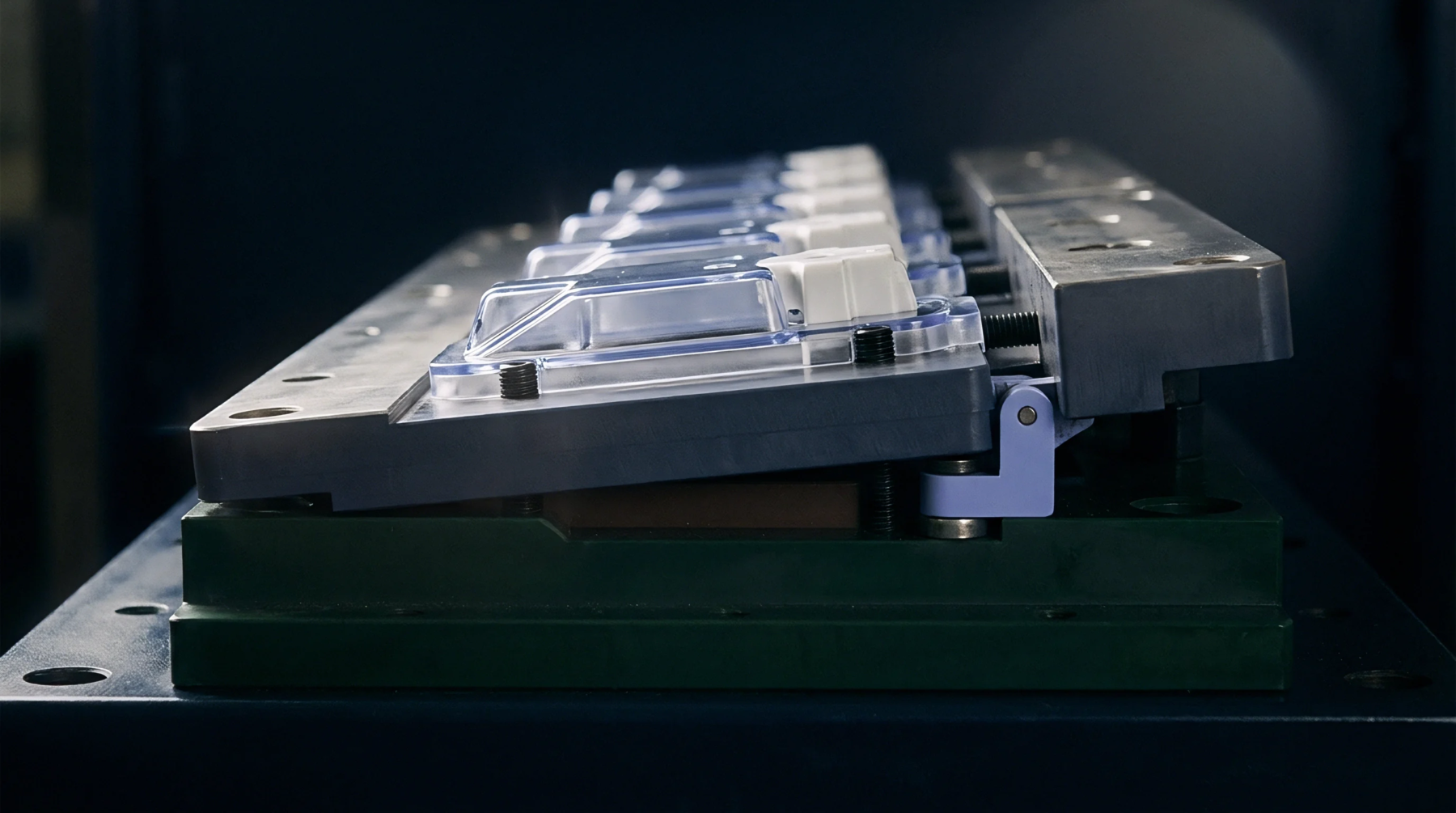
Modern moulding operations apply these sampling methods to organize measurements from multi-cavity tools. Gathering samples by cavity or by machine cycle prevents mixing distinct sources of variation, ensuring that process drift is detected before defect rates rise.