Meaning
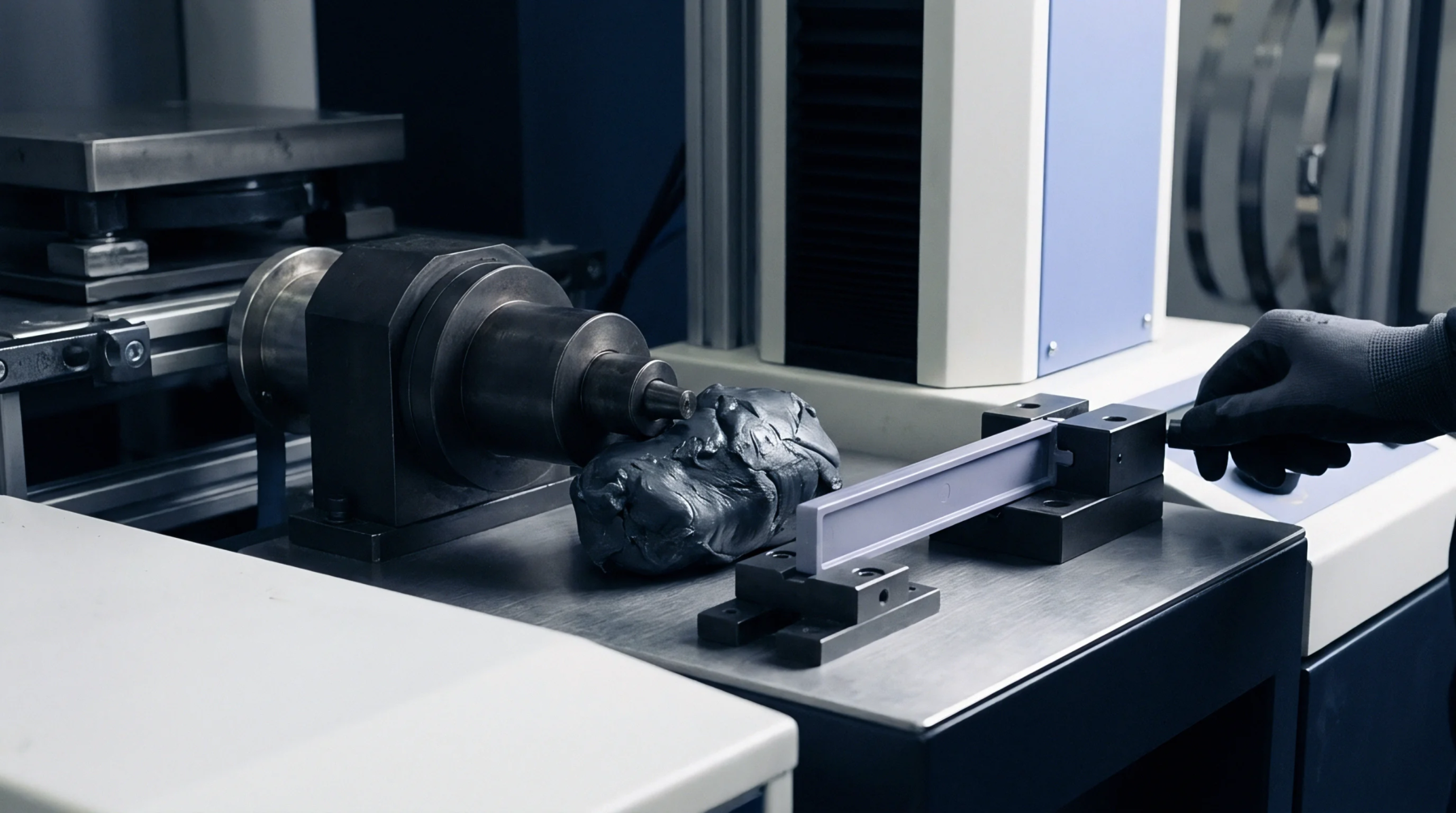
Chemical extraction of representative material from a transport vessel allows for the verification of resin quality before offloading occurs. railcar sampling involves drawing physical specimens from multiple depths or hatches to account for stratification that occurs during transit. This procedure determines whether the polymer batch meets the required melt flow index and purity standards established during production. The process guards against the risk of contaminated or off-spec material entering a manufacturing stream.
Polymer Assessment
Analysis of these specimens confirms that physical properties remain consistent with the material specification sheet provided by the supplier. A resin property such as intrinsic viscosity or particle size distribution often serves as the primary metric for acceptance. Discrepancies between the laboratory results and the documented values trigger a hold on the entire volume to prevent damage to downstream moulding equipment.
Production facilities rely on these data to adjust processing parameters like barrel temperature or injection pressure in advance of material consumption.
Process Integrity
Verification happens at the receiving bay before the connection of transfer hoses to the unloading manifold. Operators use a thief sampler or a vacuum probe to obtain material from the top, middle, and bottom of the container. Virgin resin economics dictate that the detection of foreign debris or color variance at this stage saves a facility from the high costs of flushing a clogged machine or reworking a production run.
Reliable detection keeps contaminated batches from reaching the silo or the hopper, thereby protecting the homogeneity of the entire supply chain.
Cost Impact
Financial losses mount rapidly when a non-compliant load enters a closed loop system because the expense of manual sorting or material disposal dwarfs the initial investment in testing protocols. Downstream moulders encounter significant downtime when a degraded polymer fails to achieve the cycle times expected from the nominal resin grade. A rigorous inspection program serves as the final filter against substandard inputs.
Consistent testing ensures that the final part quality matches the design intent without the recurring cost of batch failure.