Meaning
Amorphous materials undergo a distinct thermodynamic change as temperature decreases, shifting from a rubbery, compliant state into a rigid, brittle condition. The polymer glass transition marks the temperature range where long-range segmental mobility of the molecular chains becomes effectively frozen. Below this limit, the material demonstrates high modulus and restricted molecular motion, which dictates the service temperature ceiling for many thermoplastic resins.
Processing Control
Thermal history significantly alters the observed point of rigidification during fabrication. Injection moulders often encounter variance between a datasheet value and the outcome of a production run because high cooling rates in the tool trap excess free volume. If an operator sets temperatures too low, internal stresses develop that lead to premature component failure or unexpected deformation.
Consistent cooling cycles prevent these gradients from distorting the final geometry of the part.
Economic Impact
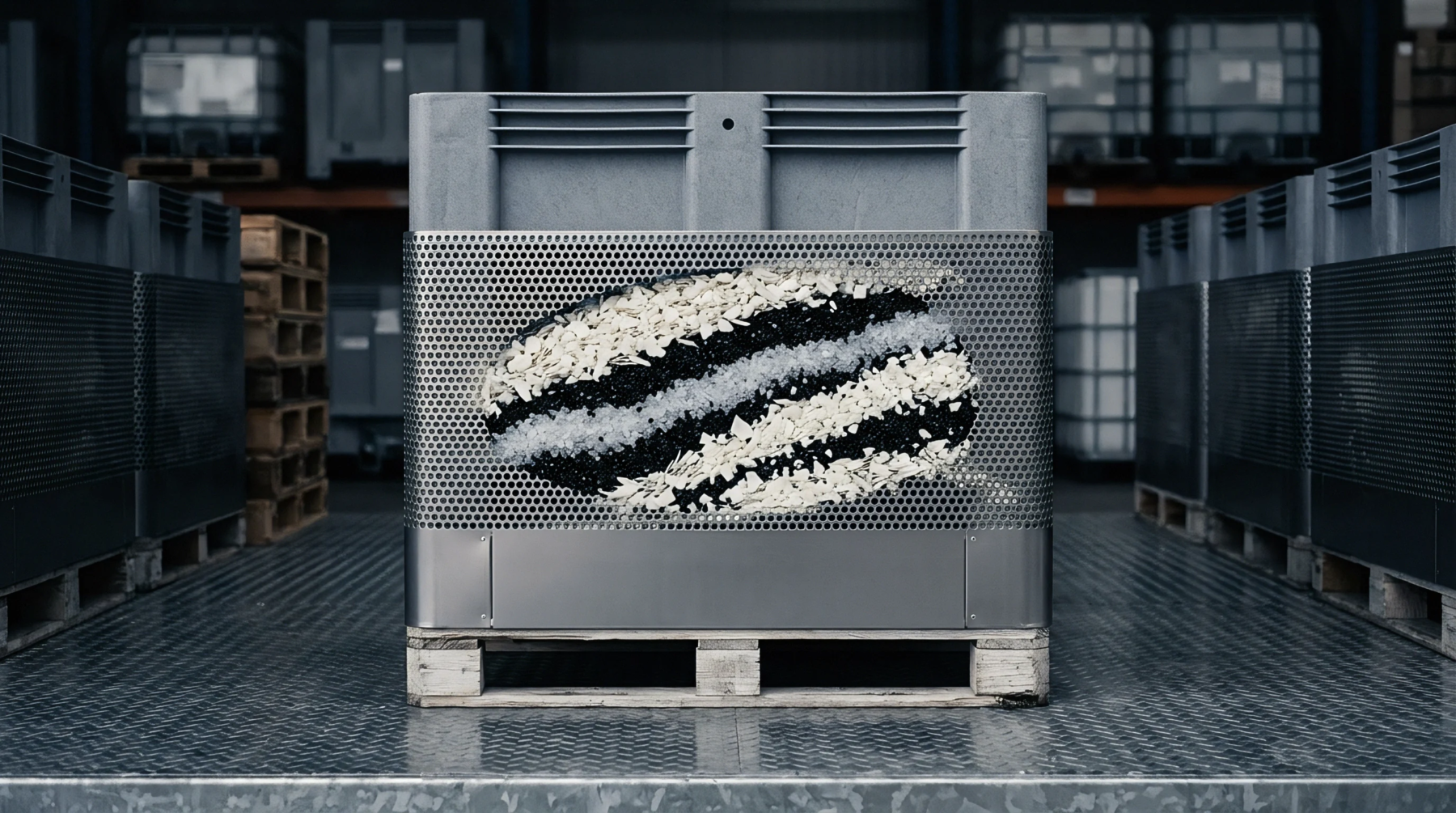
Virgin pellets and regrind materials respond differently when heated due to variations in molecular weight distribution and chain length. Regrind batches often exhibit a lowered temperature threshold as short chain fragments act like plasticizers within the matrix. Manufacturers must monitor this shift because a reduction in the service limit increases the risk of product cracking under stress.
Recycled streams require rigorous testing to confirm that the thermal properties remain within the bounds required by the application.
Measurement Mechanism
Differential scanning calorimetry provides the primary method for identifying the specific heat capacity change associated with this phenomenon. The instrumentation measures the energy flow required to increase the temperature of a specimen at a constant rate. An abrupt baseline shift indicates the onset of the transition as molecular segments gain freedom to rotate.
This analytical curve defines the upper performance boundary for amorphous polymers in mechanical structures.