Meaning
Standardized performance classifications define high-density polyethylene materials capable of withstanding continuous hydrostatic pressure over fifty-year operating lifespans. Specifying pipe grade PE100 identifies a bimodal high-density polyethylene resin formulation engineered for high resistance to slow crack growth and rapid crack propagation. The material specification governs raw material requirements for pressurized gas and water distribution pipe extrusions.
Classification boundaries apply exclusively to certified raw resin pellets meeting ISO 12162 minimum required strength thresholds.
Molecular Architecture
Modern polymerization reactors synthesize bimodal molecular weight distributions to combine high mechanical strength with good processing ease. Utilizing pipe grade PE100 incorporates low molecular weight chains for melt fluidity alongside high molecular weight chains with dense tie molecules for extreme creep resistance. This dual-structure polymer matrix prevents brittle fracture mechanisms under constant internal hydrostatic stress.
High density levels deliver necessary ring stiffness while specialized co-monomer incorporation blocks stress cracking along crystalline boundaries.
Processing Behavior
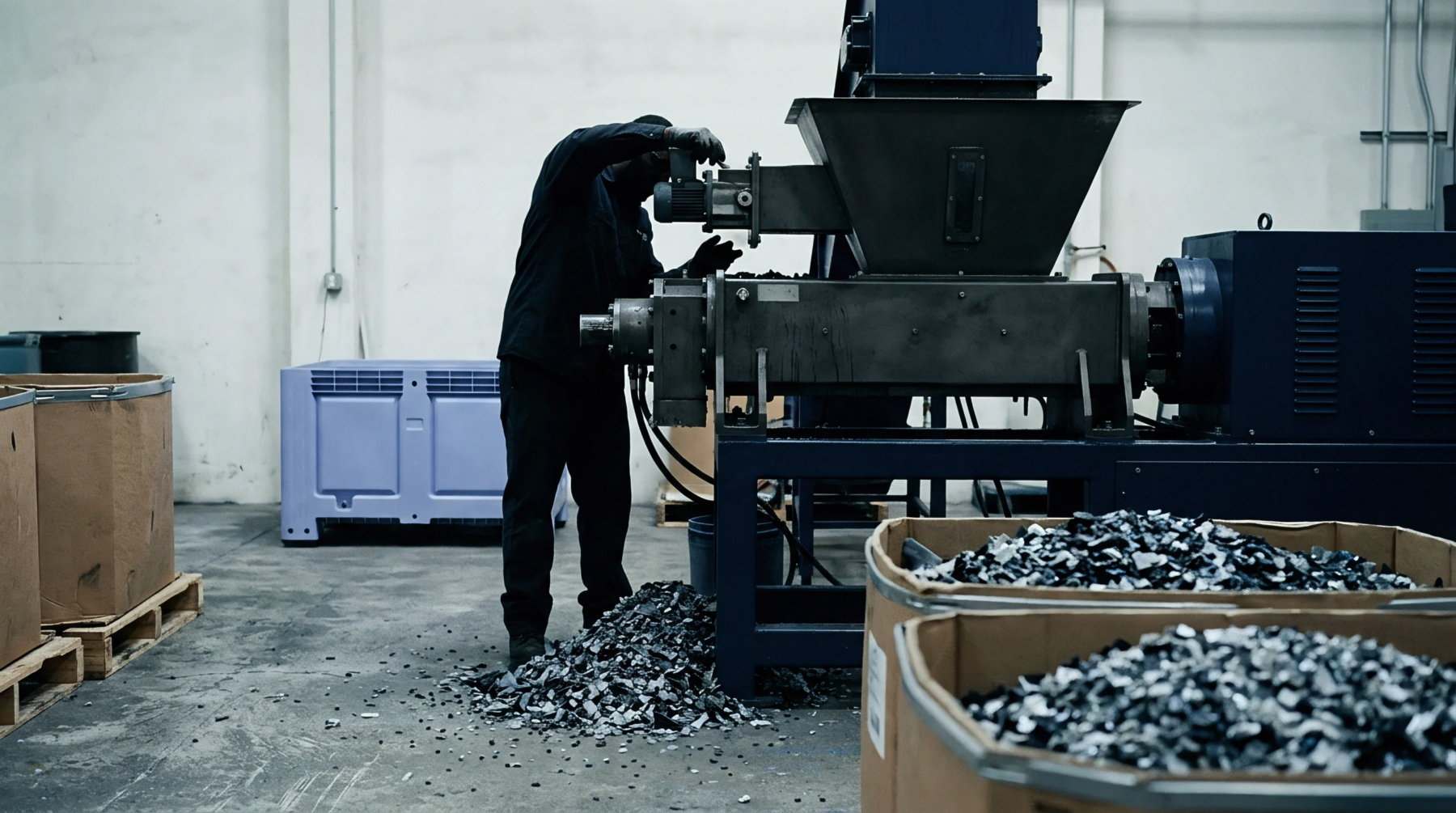
Extrusion of thick-walled pressure pipes requires precise thermal control to prevent melt sag and uneven wall thickness distribution. Extruding pipe grade PE100 demands high-torque extruders capable of homogenizing high viscosity polymer melts without generating excessive shear heating. Processing regrind material from the same certified lot is permitted under strict standards, but unverified post-consumer recyclates destroy long-term pressure ratings.
Stable melt strength prevents gravity-driven slump as the extruded pipe tube passes from the die land into vacuum cooling tanks.
Longitudinal Performance
Hydrostatic pressure testing at elevated temperatures validates fifty-year endurance claims under standard design coefficients. Utilizing pipe grade PE100 prevents catastrophic brittle failures in buried municipal infrastructure networks.