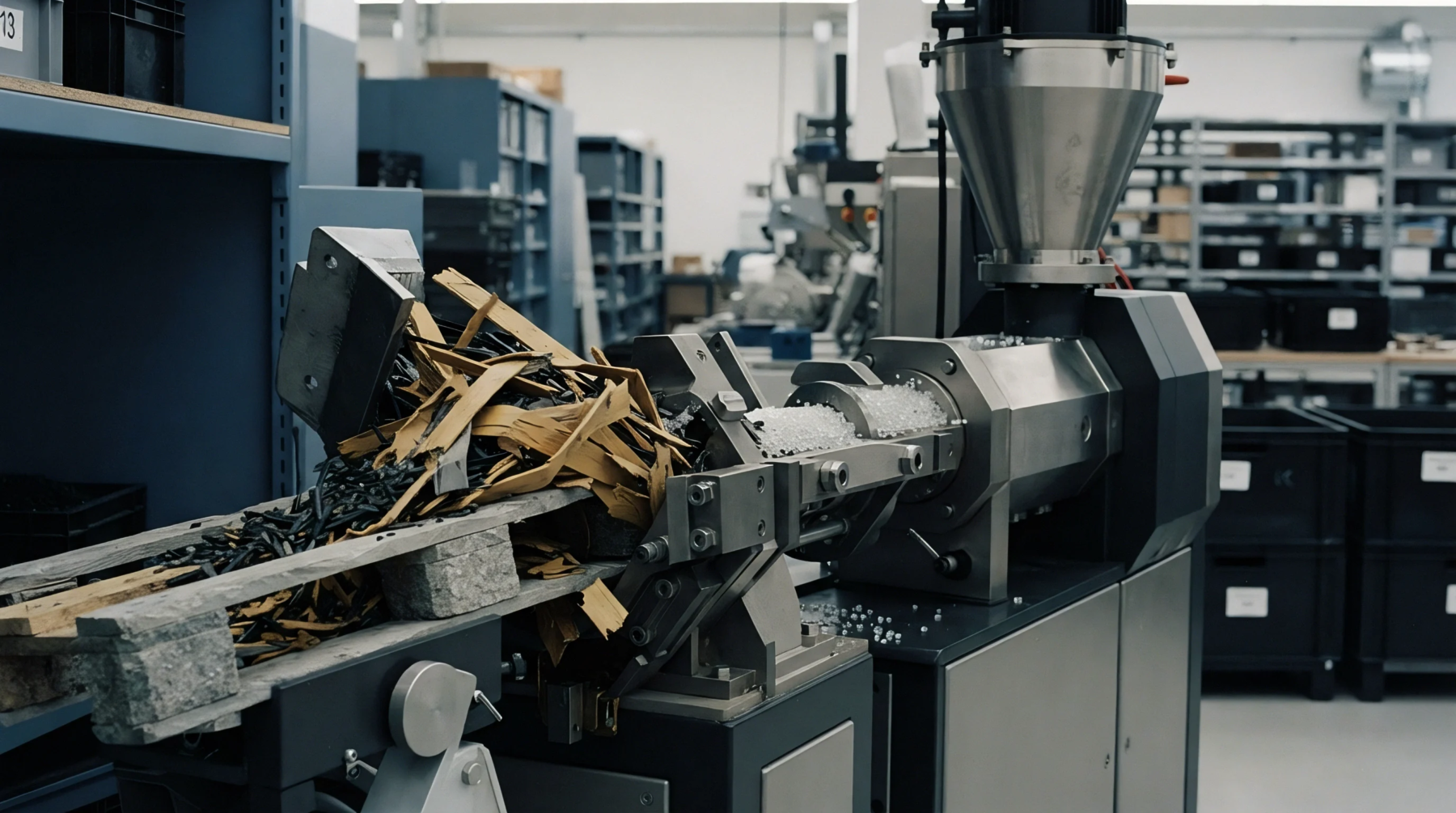
Meaning
Chemical degradation of secondary stabilizers during high temperature polymer processing or long term storage limits the protective capacity of the resin. When phosphite antioxidant oxidation occurs, the active phosphite is converted into an inactive phosphate species.
Processing Stability
Maintaining the molecular weight of a polymer during extrusion requires the presence of active stabilizers. Excessive phosphite antioxidant oxidation leads to chain scission or cross linking, which changes the melt flow index of the material. A moulder can detect this degradation by observing changes in the viscosity or the mechanical properties of the finished part.
Colour Control
Degradation products of certain stabilizers can cause the plastic to turn yellow or pink. If phosphite antioxidant oxidation is not controlled, the aesthetic quality of the part will suffer even if the physical strength remains within limits. Adding a primary antioxidant such as a hindered phenol can work alongside the phosphite to prevent this discolouration.
Analytical Detection
Assessing the remaining life of a stabilizer package involves using liquid chromatography or infrared spectroscopy. The ratio of phosphite to phosphate provides a direct measure of how much phosphite antioxidant oxidation has taken place. This information is used to determine if the resin can be safely reprocessed or if fresh stabilizer must be added to the regrind.
Quality is maintained.