Meaning
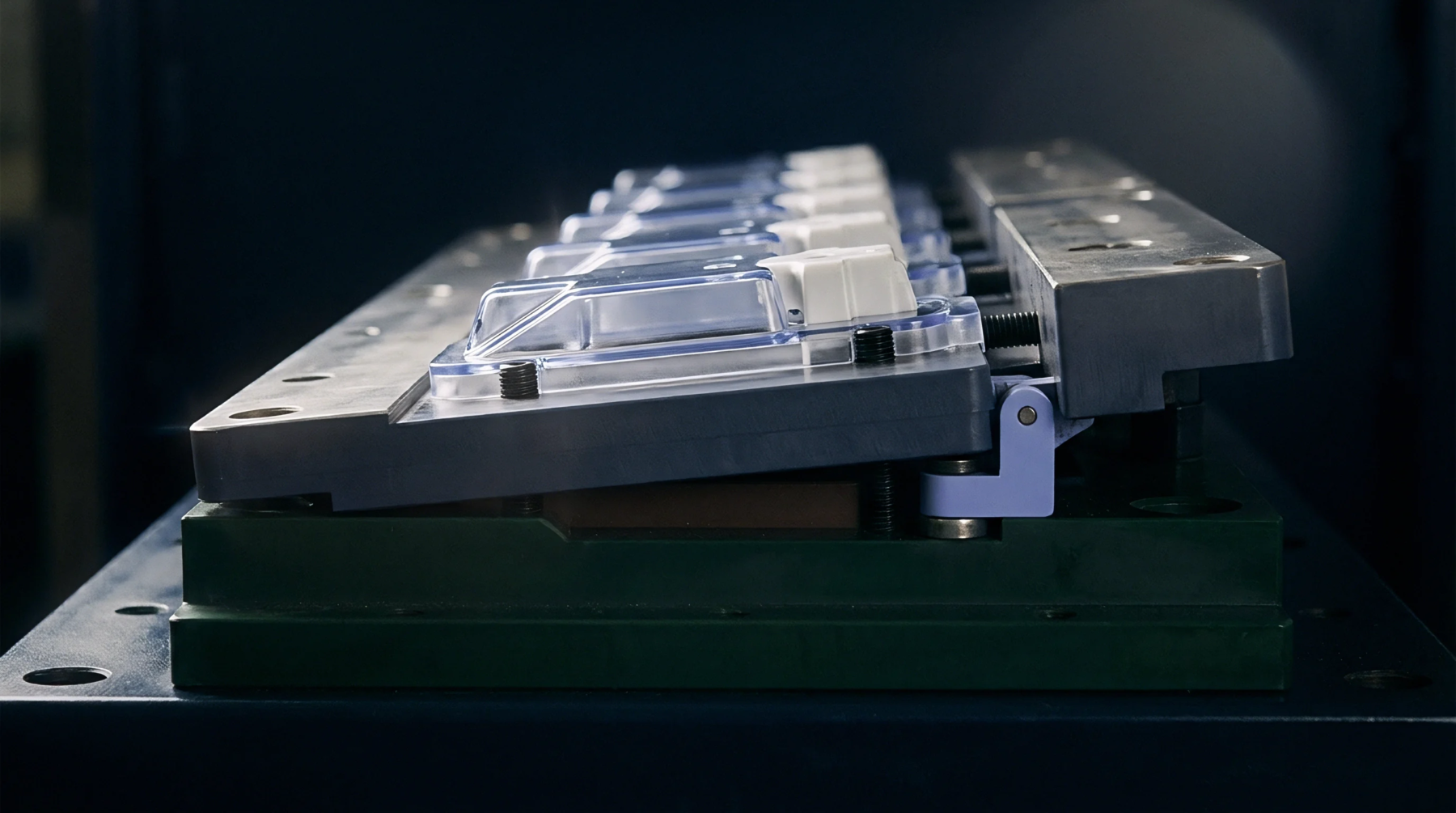
Camera-based visual verification systems examine internal mould cavity surfaces for debris or remaining plastic components between machine cycles. Automated optical cavity inspection detects incomplete part ejection and flash build-up before mold closure occurs. Machine vision sensors capture images of both core and cavity faces and compare them against baseline reference templates.
This inspection boundary stops at the surface plane and cannot evaluate subsurface metallurgical flaws within tool steel.
Damage Prevention
Foreign object detection prevents catastrophic tool crash damage when moulded parts fail to clear ejection mechanisms cleanly. Integrating optical cavity inspection stops mold closing sequences instantly when stuck parts or loose runners break template matches. Preventing mold closure over trapped plastic protects delicate core pins and polished optical inserts.
Unprotected tools suffer costly downtime and permanent steel impression damage.
Sensor Integration
High-resolution industrial cameras mounted on robotic arms capture synchronized cavity images during the open mold phase. Reliable optical cavity inspection requires consistent LED illumination and clean optical lenses free from oil mist or resin outgassing deposits. Fast image processing algorithms execute vision checks within fractions of a second to protect machine cycle time.
Trigger timing aligns with mold open limit switches.
Defect Tracking
Production monitoring software logs image sequences to identify recurring short shots or vent clogging locations.