Meaning
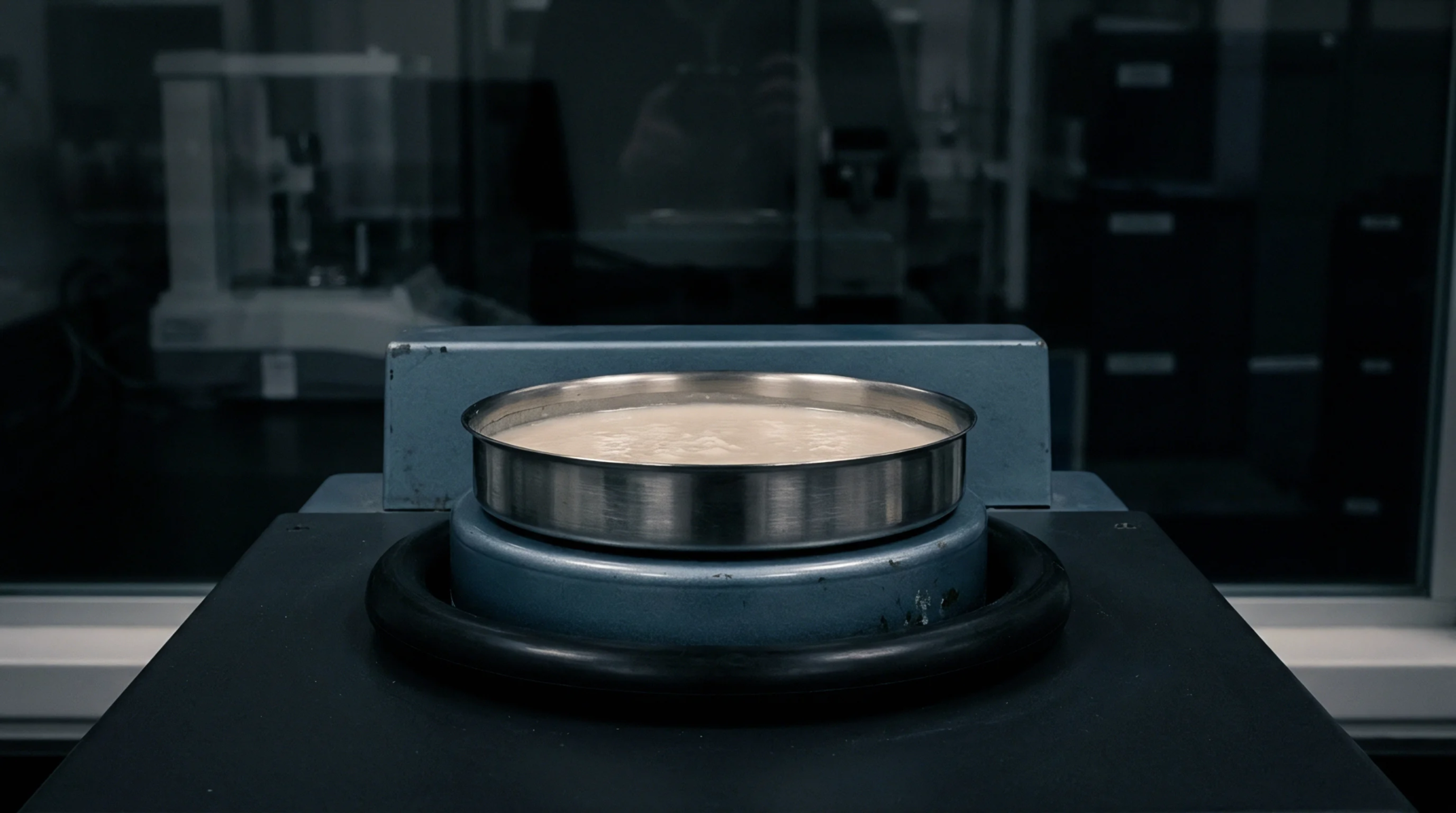
Environmental containment enclosures isolate polymer feed hoppers and melt channels from atmospheric oxygen using inert gas displacement. A nitrogen purge cell prevents oxidative degradation of thermal-sensitive resins during high-temperature processing. The cell governs hopper throat blanketing and melt stream shielding, stopping at the mold cavity entrance where plasticization ends.
Pure nitrogen atmosphere eliminates discoloration and gel formation, whereas unpurged processing exposed to air degrades molecular weight.
Thermal Protection
Displacement of ambient oxygen reduces cross-linking and chain scission in sensitive polymers like polyamide and polyethyleneterphthalate. Operating a nitrogen purge cell keeps yellowing index values within tight quality limits during extended residence times. Degraded polymer chains cause brittle fracture in molded connector housings.
Hopper Conditioning
Gas injection at the hopper throat drives off entrained moisture and oxygen before pellets reach the feed section. Integrating a nitrogen purge cell reduces vacuum drying requirements for engineering thermoplastics. Damp or oxidized pellets generate surface splay and structural voids during high-speed injection.
Operational Efficiency
Reduced carbon buildup on screw flights cuts maintenance down-time and cleaning frequency. Maintaining a nitrogen purge cell lowers scrap during start-up pauses by preventing resin charring inside the barrel. Charred degradation products clog gates and ruin high-clarity optical lenses.