Meaning
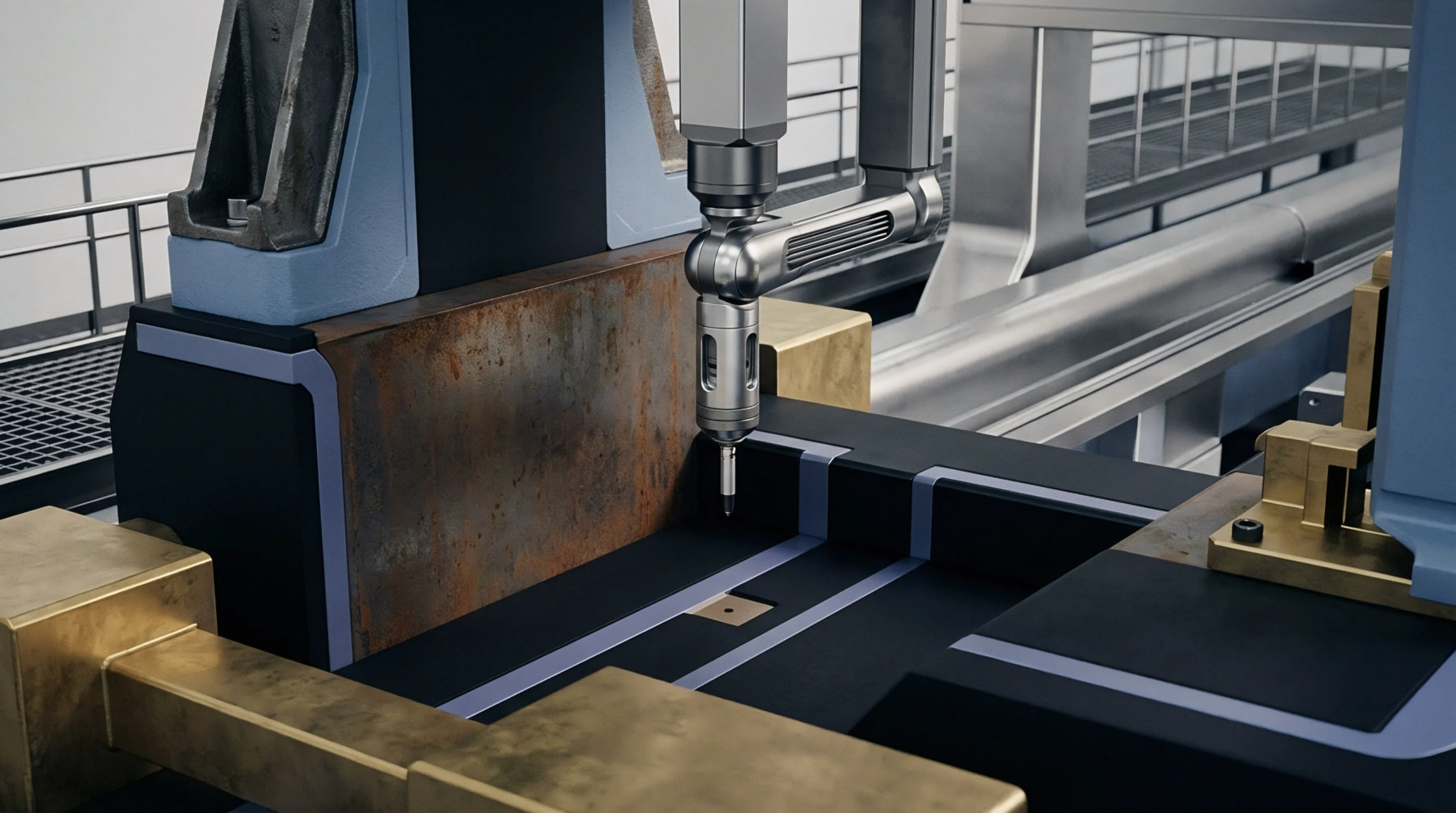
Precision material removal utilizing multi-flute rotating tools of extremely small diameter functions to fabricate complex geometries in rigid thermoplastics. Micro-milling enables the creation of features with tolerances measured in single-digit micrometers, a capability required for high-density microfluidic devices and miniature sensors. This technical approach avoids the thermal degradation risks associated with laser ablation by maintaining a purely mechanical shearing action at the substrate surface.
Tooling Geometry
Specialized carbide end mills provide the structural rigidity required for such reduced-scale operations. These miniature cutters must possess high helix angles to facilitate chip evacuation from narrow trenches, as clogged flutes result in immediate tool breakage and surface scoring. Precise runout control in the spindle assembly governs the effective load applied to each flute during high-speed rotation.
Resin Selection
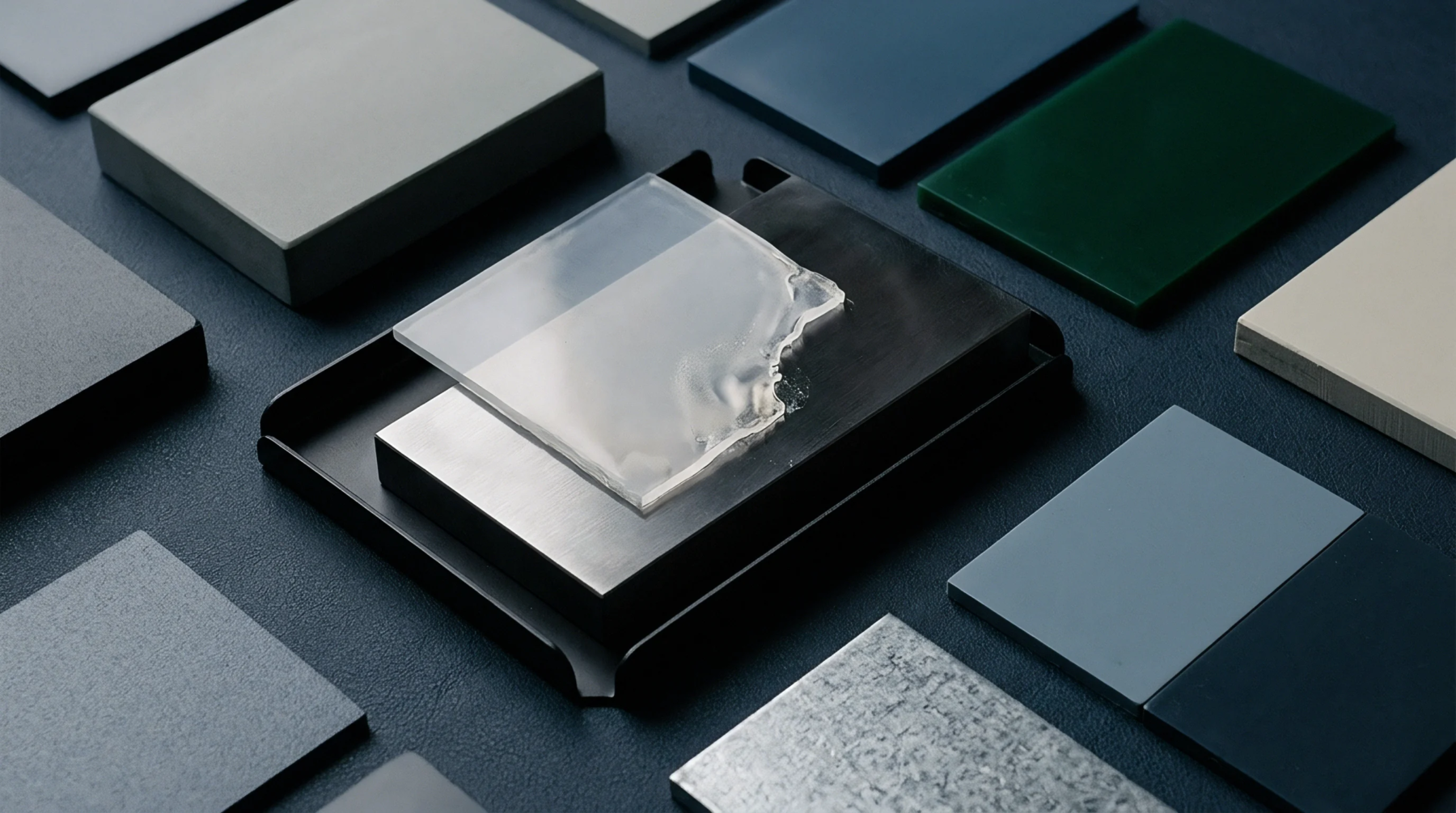
Thermoplastic choice dictates the success of these delicate operations because crystalline materials often exhibit brittle fractures when subjected to high-frequency mechanical impact. Amorphous resins like polycarbonate or cyclic olefin copolymer maintain dimensional stability under the localized heat of the tool tip, whereas filled compounds induce excessive wear on cutting edges. Practitioners monitor the glass transition temperature during the cut to ensure that the shear zone remains below the softening point of the polymer matrix.
Cost Impact
Small-scale production schedules experience increased overhead from frequent tool changes necessitated by the rapid wear of micro-scale cutting edges against abrasive fillers. Profit margins depend on the speed of the cut relative to the cost of the replacement tool, because the price of specialized carbide cutters remains high compared to standard milling components. Each hour of machine time incurs a penalty when spindle speeds require careful adjustment to avoid harmonic resonance in the workholding fixture.