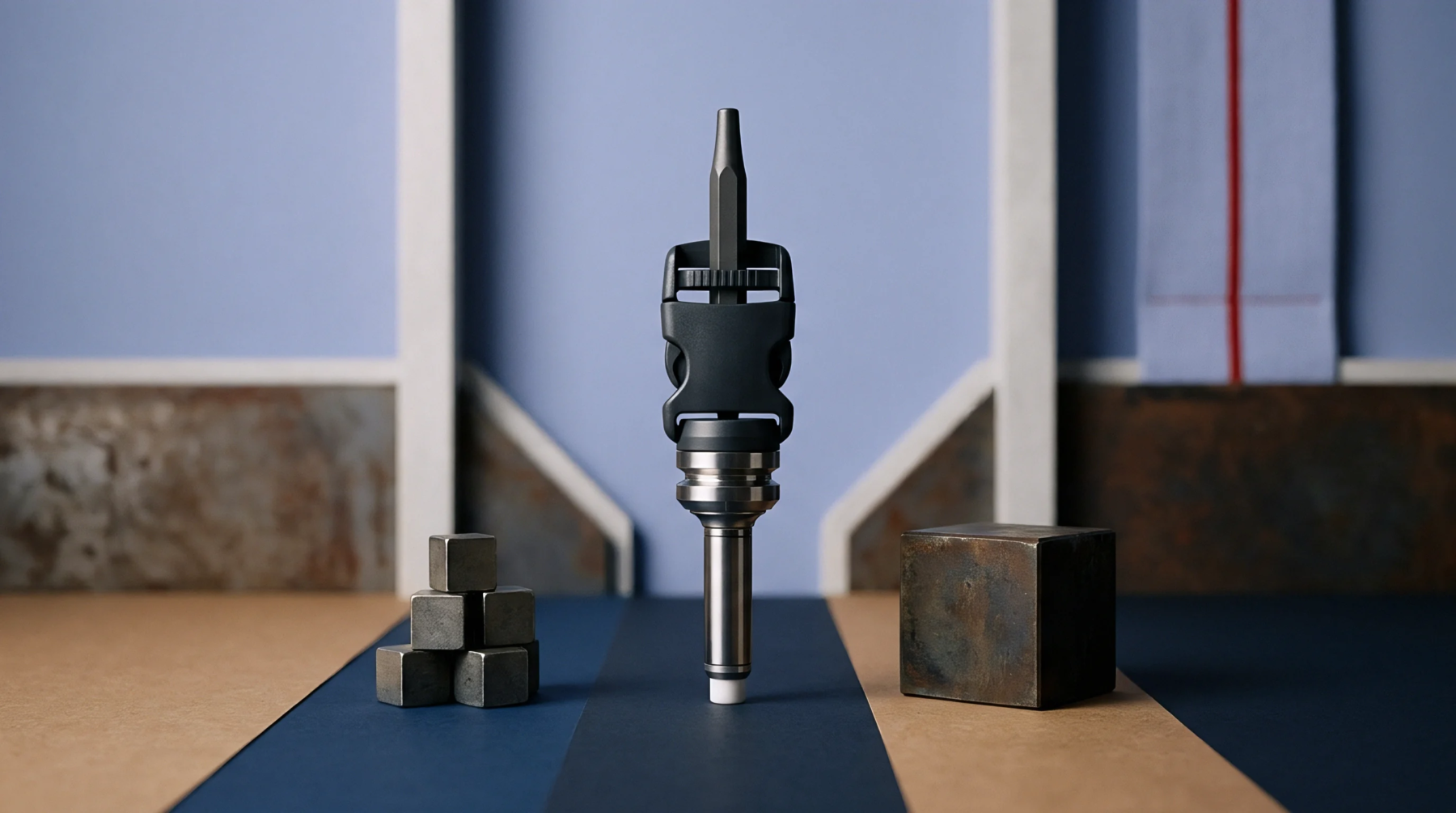
Thermal Expansion Mechanics in High Cavitation Micro Injection Tooling
Precision thermal pitch compensation and strict alloy CTE matching eliminate alignment failures and shut-off land galling in high cavitation micro tooling.
Molecular adhesion occurring between metal surfaces during the extraction of plastic components from deep cavities represents a specific failure mode in injection moulding. Micro core galling develops when the relative motion of a steel pin against a hardening thermoplastic causes a localized weld that tears material from the tool surface. Heat generated at the interface reduces the shear strength of the metal, allowing microscopic fragments of the core to bond with the polymer melt.
This phenomenon limits the longevity of precision tooling and necessitates frequent maintenance cycles to restore dimensional tolerances. High viscosity resins combined with abrasive fillers accelerate the rate of wear on delicate pin geometries. Once the surface integrity breaks down, the rough texture promotes mechanical interlocking, increasing the risk of part breakage during subsequent ejection sequences.
The degradation remains confined to areas of high friction and elevated pressure where the cooling rate is insufficient to solidify the interface before the mechanical stripping force engages.
Precise clearance settings determine the probability that micro core galling will degrade the output of a production cell. Engineers calculate the required gap between the ejector pin and the cavity sleeve to allow for thermal expansion of the steel without creating a trap for the molten resin. If the gap is too narrow, the pressure spike during the injection phase forces polymer into the tight interface.
Friction rises until the base metal loses its protective oxide layer, triggering the transfer of metallic particles into the solidified part. Tool designers mitigate these risks by specifying advanced coatings that lower the coefficient of friction and improve thermal conductivity. These surface treatments prevent the chemical bonding of the polymer to the substrate even under extreme processing temperatures.
Resin properties influence the onset of micro core galling by altering the lubricity of the melt stream during the packing stage of the moulding cycle. Polymers containing glass fibres or mineral reinforcements behave as abrasive agents that scour the protective layers from the core surface during high velocity flow. Virgin resins provide a stable baseline for thermal profiles, whereas regrind batches introduce variable molecular weight distributions that fluctuate the viscosity.
Moulders adjust the hold pressure to compensate for these variances, yet excessive pressure often pushes the interface past the limit of the coating. Consistent cooling ensures that the polymer reaches its rigid state before the extraction force begins to strain the mechanical bond between the part and the tool.
Dimensional stability depends on the prevention of micro core galling throughout the intended lifespan of the injection tool. Maintenance crews monitor the ejector pins for signs of discoloration that indicate the early development of welding sites. Periodic polishing restores the original surface finish, although repeated material removal eventually mandates the replacement of the entire core pin.
Corrective measures rely on accurate monitoring of injection cycle times to manage the thermal load within the cavity. Monitoring these parameters provides a metric for the expected tool wear before major dimensional drift occurs. Abrasive wear changes the cavity volume in ways that eventually render the produced part non-compliant with the original design specifications.
Precision thermal pitch compensation and strict alloy CTE matching eliminate alignment failures and shut-off land galling in high cavitation micro tooling.
Expertise is a utility, not a secret. sentiention™ publishes its working knowledge as open reference: intelligence layer covering the materials it sources, the markets it enters, and the reference that serves both.